Core–Satellite Portfolio: A Smarter Way to Build Long-Term Wealth!
DSIJ Intelligence-6 / 18 Nov 2025/ Categories: Knowledge, Trending
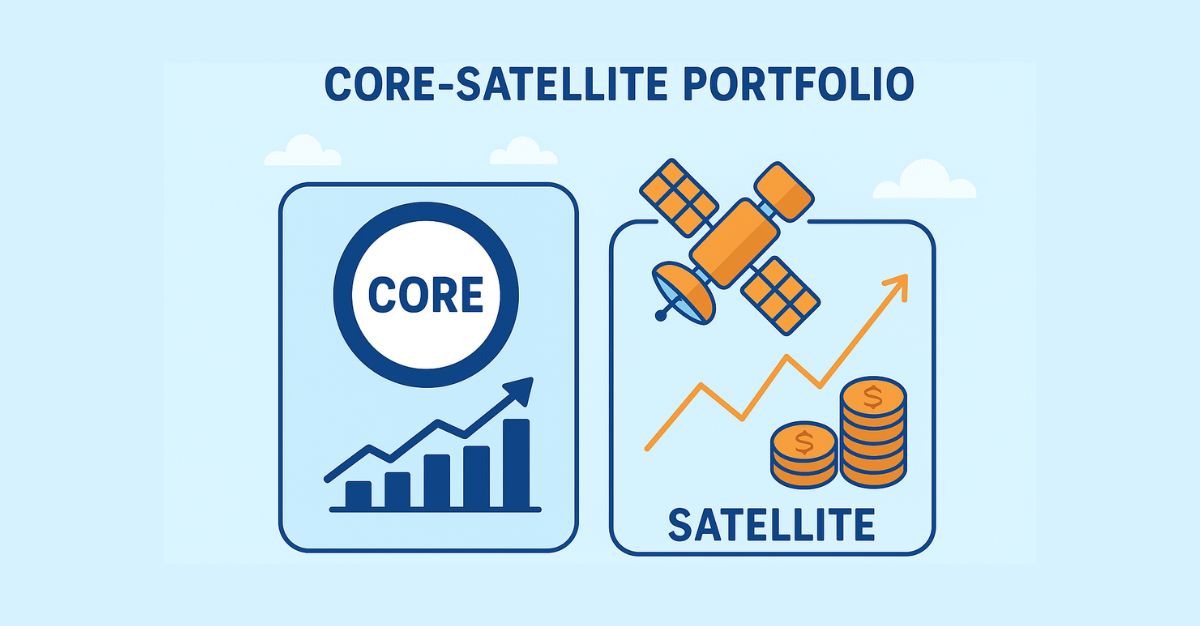
A core–satellite portfolio offers the best of both worlds: stability from the core and upside potential from satellites.
Introduction: What Is a Core–Satellite Portfolio?
A core–satellite portfolio is a structured investment strategy that blends long-term stable holdings (the core) with smaller, high-growth or opportunistic bets (the satellites). The idea is simple: keep most of your money in low-risk, diversified assets that steadily compound, while allocating a smaller portion to investments that can potentially deliver higher returns. This approach balances growth, safety, and flexibility—making it popular among both new and experienced investors.
Why Do Investors Build a Core–Satellite Portfolio?
To Reduce Risk While Still Capturing Growth
The core portion, usually 70–90 per cent of the portfolio, acts as a stabilizer. It limits volatility and ensures consistency even when markets fluctuate sharply. Satellite holdings, meanwhile, allow the investor to pursue higher returns without exposing the entire portfolio to risk.
To Avoid Overdependence on Stock-Picking
Relying solely on individual stocks or themes can lead to unpredictable returns. A core–satellite structure ensures that even if satellite bets don’t perform, the core continues to grow steadily.
To Bring Discipline and Structure to Investing
This framework prevents emotional or impulsive investing. It forces investors to differentiate between stable, long-term holdings and short-term, high-conviction ideas.
To Take Advantage of Market Opportunities
Markets frequently offer opportunities in sectors, themes, and cyclical trends. Satellite allocations help investors benefit from such themes without reshaping the entire portfolio.
What Goes Into the Core Portion?
The core is designed to deliver long-term, reliable returns with minimal surprises. Typical core assets include:
- Index Funds or ETFs such as Nifty 50, Nifty 500, or Sensex ETFs
- Broad Mutual Funds with strong long-term track records
- Large-Cap or blue-chip stocks
- Stable asset classes like Debt Funds, government bonds, gold ETFs, or Hybrid Funds (based on risk profile)
The guiding principles for the core are diversification, predictability, low cost, and long holding periods.
What Goes Into the Satellite Portion?
Satellite investments aim to enhance overall returns by adding growth, alpha, and tactical exposure. These may include:
- High-conviction Mid-Cap and Small-Cap stocks
- Sectoral or thematic funds (e.g., PSU, EV, Defence, energy)
- International equity exposure
- Cyclical opportunities, turnaround stories, or special situations
- Tactical short-term investments based on market conditions
The satellite typically forms 10–30 per cent of the portfolio depending on risk appetite and experience.
How to Build a Core–Satellite Portfolio?
Step 1: Define Your Risk Profile
Conservative investors may keep 90 per cent in core and only 10 per cent in satellite. Aggressive investors may go up to 70–30.
Step 2: Construct the Core First
Choose 3–5 rock-solid diversified funds or ETFs. Add a few stable stocks if desired. The goal is wide market exposure and long-term compounding.
Step 3: Build Satellite Positions Gradually
Start with small allocations to high-conviction ideas. Avoid over-concentrating in a single theme or stock.
Step 4: Review and Rebalance Annually
If satellites grow too large, trim them back to original proportions. If a satellite idea no longer holds conviction, exit it.
Conclusion
A core–satellite portfolio offers the best of both worlds: stability from the core and upside potential from satellites. It helps investors remain disciplined, diversified, and prepared for both long-term wealth creation and short-term opportunities. By carefully selecting stable core holdings and complementing them with strategic high-growth ideas, investors can build a resilient, balanced portfolio that performs well across market cycles.