Understanding Moats: The Key to Long-Term Wealth Creation!
DSIJ Intelligence-6 / 23 Sep 2025/ Categories: General, Knowledge, Trending
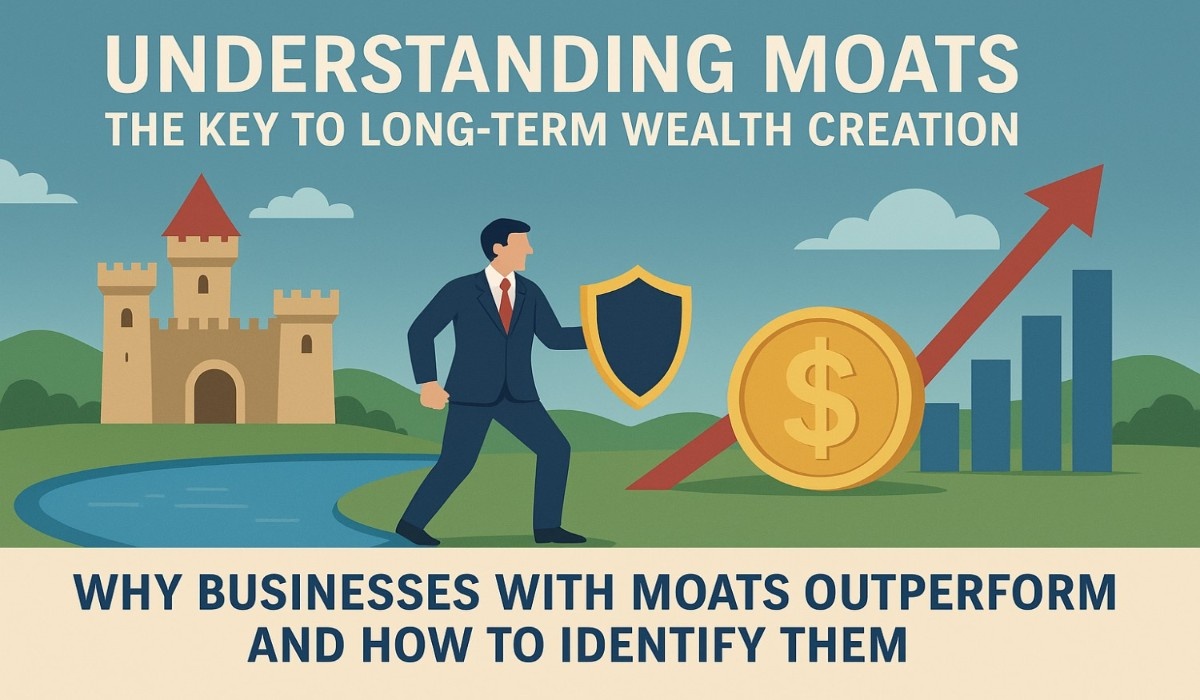
Moats are not just a buzzword but a powerful investing framework. They separate enduring wealth-compounders from fragile businesses that rise and fall quickly.
What Are Moats?
In investing, an economic moat refers to a company’s ability to maintain competitive advantages that protect its profits and market share from rivals. Just like medieval castles relied on moats for defence, businesses with strong moats are shielded from competitive threats, enabling them to sustain high returns on capital for years.
Why Businesses with Moats Are Better
Companies without moats often see profits decline as competitors enter the market. By contrast, firms with durable moats can fend off rivals and continue compounding wealth. This means greater resilience during downturns, reduced risk of permanent capital loss, and consistent growth in intrinsic value. For investors, owning wide-moat businesses allows long-term compounding with fewer disruptions.
How to Identify Moats
The central question to ask is: “What prevents a well-financed competitor from taking this company’s profits?” . True moats are structural characteristics of a business, not temporary advantages. Investors should avoid being misled by mistaken moats such as strong management or short-term product success . Instead, focus on features that are difficult to replicate and provide enduring protection.
The Different Types of Moats
According to Morningstar’s framework, moats typically fall into four categories:
- Intangible Assets – Brands, patents, or licenses that provide unique customer trust or legal protection (e.g., Coca-Cola, Johnson & Johnson).
- Switching Costs – Products or services that are hard for customers to abandon, creating pricing power (e.g., Oracle software).
- Network Effects – Businesses that become more valuable as more people use them, making it harder for competitors to break in (e.g., payment networks, social media).
- Cost Advantages – Structural efficiencies such as scale, location, or proprietary processes that allow sustained lower costs than rivals (e.g., Walmart, BHP Billiton).
Moats and Higher Returns on Capital
The essence of a moat is its ability to preserve returns on invested capital (ROIC) above the cost of capital for long periods. Companies with wide moats can reinvest cash flows at high rates, compounding shareholder wealth at an accelerated pace. While average firms see returns fade due to competition, moat-protected businesses maintain profitability for decades, creating significant long-term value.
Conclusion
Moats are not just a buzzword but a powerful investing framework. They separate enduring wealth-compounders from fragile businesses that rise and fall quickly. By identifying structural competitive advantages like intangible assets, switching costs, network effects, and cost advantages, investors can focus on companies that consistently deliver high returns on capital. Businesses with moats don’t just survive; they thrive, protecting investors’ wealth while compounding it over time. For long-term portfolios, they are the bedrock of sustainable success.