In conversation with Pranav Bansal, Managing Director & CEO, Bansal Wire Industries
 हमसे जुड़ें
 हमें फ़ॉलो करें
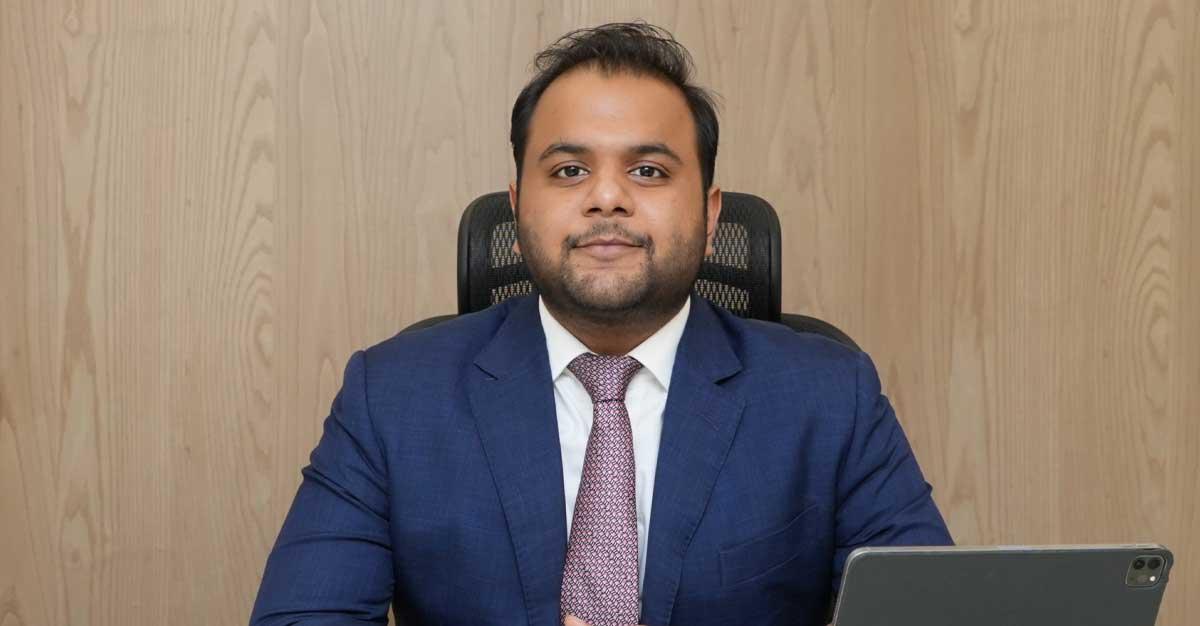
Management breaks down margin recovery, specialty-wire opportunities, B2C profitability and capacity utilization
✨ मुख्य निष्कर्ष
1. Bansal Wire delivered 24.4 per cent revenue growth in Q1 FY27 despite temporary disruptions from higher gas costs and geopolitical issues, but EBITDA declined sharply. As operations have normalised, what structural changes have you made to ensure such external shocks have a limited impact on margins going forward?
As ours is a cost-plus model, we pass on the cost of raw materials to customers, and other operating costs typically remain relatively stable. However, this time, other costs, such as gas and electricity, increased significantly. Given that we already had an Order Book of approximately 40 days, we took a strategic decision not to pass on the incremental operating costs to customers for orders that were already in hand, which affected our margins on a one-time basis. Margins were down for the first half of the quarter. Subsequently, we took the strategic decision to restore margins by passing on every cost to customers, thereby eliminating the impact of cost escalation.
2. You continue to maintain your 20 per cent volume and EBITDA growth aspiration for FY27 despite a challenging first quarter. What gives you the confidence that demand recovery, market share gains and operating leverage will offset the weak start to the year?
As we have already restored our margins and volumes from the second half of Q1 FY27, we remain confident of delivering the growth as committed. Looking at our past record, we have been growing at a pace of approximately 20 per cent for more than a decade, supported by a well-diversified customer base and multiple end-user industries. We have an in-house team that continues to manufacture new products. Our growth is well balanced across three key drivers: approximately one-third comes from existing customers, one-third from new customers, and the remaining one-third from new products. We have already started passing every cost on to the customer. Also, our growth aspiration of 20 per cent will be achieved in the remaining quarters of the year.
3. The company has consistently highlighted a shift towards specialty products such as Steel Tyre Cord, IHT, OHT and Hose Wire. Over the next three to five years, how do you see this changing Bansal Wire's revenue mix, margin profile and competitive positioning?
As we step into the specialty wire segment, we expect our margins to be in double digits over time. However, in the initial phase, these products will account for a small portion of our total volume, as the company is also expanding its existing products to increase its market share. There will be a gradual increase in margins and revenue due to specialty wire products being added to our product mix.
From a competitive positioning perspective, Steel Tyre Cord represents a significant import-substitution opportunity. We are currently the only Indian company to have entered this segment, which provides us with a strong first-mover advantage. The segment also involves a lengthy and rigorous customer approval process, creating meaningful entry barriers for new competitors. Therefore, we remain confident of gaining a competitive edge and remain well positioned ahead of our peers.
4. Your B2C business has expanded into farming, fencing and poultry products and already contributes around 10 per cent of quarterly sales. How do you plan to build this into a scalable brand-led business while maintaining channel economics and profitability?
We are getting a good response from our customers through our dealers. The company started in Gujarat and received a good response. Now, we have a presence in five states, namely Gujarat, Andhra Pradesh, Maharashtra, Telangana and Tamil Nadu, in terms of B2C business, and we are growing at a rapid pace. The B2C business has higher margins in the low-carbon segment, as it contributes 30–40 per cent higher EBITDA. Thereby, profitability will increase with B2C coming into the picture.
5. The company is following a disciplined capital allocation strategy with annual capex of around Rs 200–250 crore while targeting over Rs 800 crore of cumulative operating cash flows across FY27 and FY28. How do you balance capacity expansion, deleveraging and shareholder returns without compromising growth opportunities?
Several steps have been taken to manage working capital:
• A separate team has been formed to ensure timely collections from customers.
• Negotiating and optimising payment terms with vendors.
• The company is utilising bill discounting facilities with recourse to customers and vendors, respectively.
• Channel financing has been initiated for MSME vendors to further optimise the working capital cycle.
• The order book is for around 45 days and is backed by inventory. Steps are being taken to reduce inventory days and improve inventory efficiency.
Through these initiatives, we expect to improve working capital efficiency and generate stronger operating cash flows. The resulting improvement in cash generation will provide greater flexibility to fund our expansion plans, support shareholder returns and facilitate deleveraging. We remain firmly on track to achieve these objectives.
6. Bansal Wire has expanded capacity to nearly 6.8 lakh MTPA while continuing to add new capacities at Dadri and Sanand. As demand normalises, what will be the key priorities in improving capacity utilisation and ensuring that incremental capacity generates superior returns on capital?
Historically, Bansal Wire has operated at around 85–90 per cent utilisation, which we believe is good for margins and capital efficiency. As demand has already normalised, the first focus is on ramping up the recently added Dadri capacity and expanding capacity at Sanand, taking overall utilisation back towards these levels.
Secondly, this industry is growing by 7 per cent. We intend to maintain some capacity headroom to support 20–25 per cent growth. The flexibility of our in-house machinery capability allows us to add capacity in smaller increments through timely investments, without having to create large blocks of idle capacity, which will be much closer to actual demand. This should help us protect asset turns and returns on capital.
Third, our focus will increasingly be on product mix and value addition. The purpose is to use incremental capacity not only for higher volumes in our core wire businesses, but also to scale specialty wires such as steel tyre cord, hose wire, IHT wire and OHT wire, where qualification barriers and higher value addition can improve EBITDA per tonne and, consequently, returns on capital employed.
Finally, we will remain focused on working capital discipline, manufacturing efficiency and customer diversification. With more than 5,000 customers, over 3,000 SKUs and a diversified end-market presence, we have the platform to improve utilisation without becoming dependent on a few customers or sectors.