PM to Release 22nd PM-Kisan Installment on March 13, 2026
 आमच्यासोबत जोडा
 आम्हाला फॉलो करा
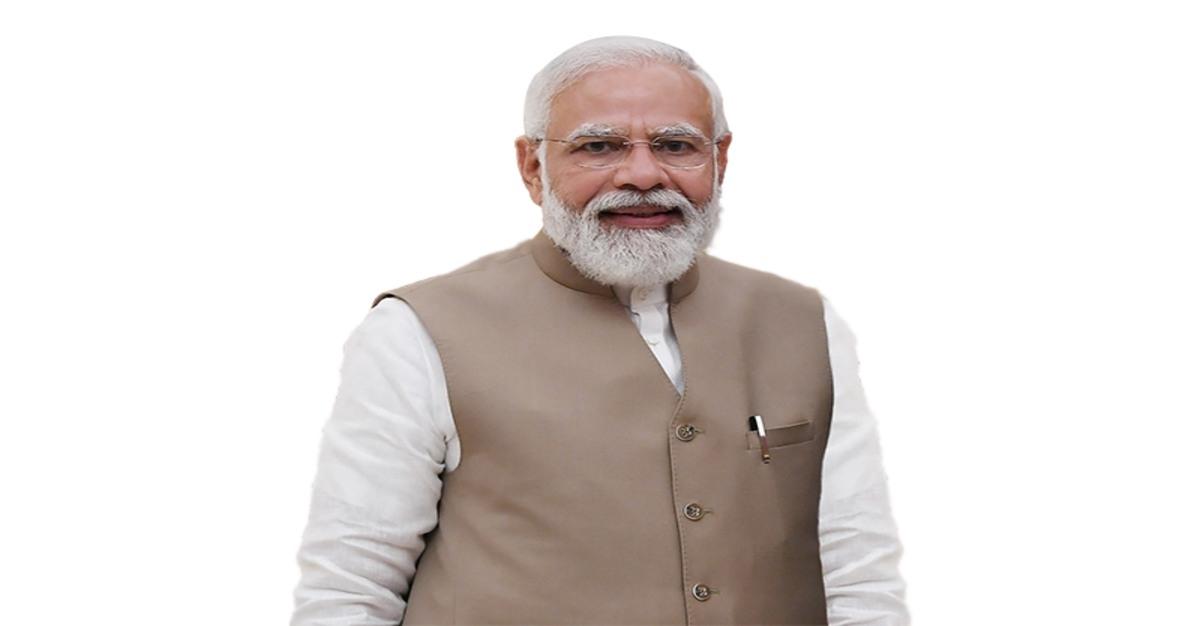
Under this installment, Rs 18,640 crore will be directly transferred to the bank accounts of 9.32 crore farmers across India.
✨ एआय पॉवर्ड सारांश
Indian agriculture is set to witness an important development on March 13, 2026, as Prime Minister Narendra Modi will release the 22nd installment of the Pradhan Mantri Kisan Samman Nidhi (PM-Kisan) scheme during a program in Guwahati, Assam.
Under this installment, Rs 18,640 crore will be directly transferred to the Bank accounts of 9.32 crore farmers across India. The initiative aims to provide financial support to farmers, helping them manage agricultural expenses and strengthen their livelihoods
The Direct Impact of Financial Support
One of the most significant changes in rural India over the past decade has been the adoption of the Direct Benefit Transfer (DBT) system. By eliminating middlemen, the government ensures that financial support reaches farmers directly in their bank accounts.
Under the Pradhan Mantri Kisan Samman Nidhi (PM-Kisan) scheme, more than Rs 4,09,000 crore has been transferred to farmers so far. This regular financial support has helped many farmers avoid borrowing from high-interest moneylenders and instead use the funds to purchase seeds, fertilizers, and farming equipment, strengthening their financial independence and improving the rural economy.
A Milestone for Women in Agriculture
The 22nd installment of the Pradhan Mantri Kisan Samman Nidhi scheme also highlights the growing role of women in agriculture. Out of the total beneficiaries, more than 2.15 crore women farmers will receive the Samman Nidhi amount directly in their bank accounts.
This move supports greater gender equality in a sector that has long been seen as male-dominated. By transferring funds directly to women, the initiative recognizes their contribution to farming and strengthens their financial independence, helping them support their families and agricultural activities.
India’s Rise as a Global Food Power
Beyond direct financial support to farmers, India’s agricultural productivity has also seen remarkable growth. Union Agriculture Minister Shivraj Singh Chouhan recently highlighted that the country has transformed from a nation once facing grain shortages into a major global agricultural power.
India is now the world’s largest producer of Rice, with production reaching around 150 million tonnes, surpassing China. At the same time, total food grain production has increased significantly from 252 million tonnes in 2014 to a record 357 million tonnes in 2026. This growth has strengthened national food security and positioned India as an important contributor to the global food supply.
The Flourishing Horticulture Sector
While food grains remain essential, the traditional Green Revolution in India has gradually expanded into a more diversified agricultural phase driven by horticulture. Over the past decade, the production of fruits and vegetables has increased significantly from 277 million tonnes to 369 million tonnes.
This growth is important because horticulture crops often provide farmers with higher returns compared to traditional staple crops. By cultivating more fruits and vegetables, farmers are able to diversify their income sources, make agriculture more resilient to market fluctuations, and contribute to better nutritional availability for India’s growing population
Technological Innovation with 'Bharat Vistar' AI
The government is also introducing advanced technology to support farmers through the launch of the AI-based platform Bharat Vistar. This initiative is designed to bring digital solutions directly to farmers and make modern agricultural knowledge more accessible.
The platform works like a digital advisor that farmers can access through a simple phone call in their local languages. It provides useful information on pest control, weather updates, and market prices. By simplifying complex data and delivering it in an easy format, Bharat Vistar helps farmers make better decisions and ensures that even those in remote areas can benefit from modern agricultural technology.
Strengthening Financial Security and Credit
For agriculture to grow, farmers need access to affordable credit. In recent years, the government has significantly expanded agricultural lending, which has increased from Rs 8.45 lakh crore in 2014 to about Rs 28.69 lakh crore today. This higher credit availability allows farmers to invest in equipment such as tractors and irrigation systems at more manageable interest rates.
At the same time, the Pradhan Mantri Fasal Bima Yojana crop insurance scheme has provided an important safety net. Nearly Rs 2 lakh crore has been paid out as claims to farmers affected by extreme weather and natural disasters. Together, easier access to credit and insurance protection helps farmers manage risks and ensure that a single bad season does not push them into long-term debt
A Vision for Future Self-Reliance
The ultimate aim of these policies is to strengthen the vision of Atmanirbhar Bharat, especially in areas where India still depends on imports, such as pulses. Today, India has become the world’s largest producer and consumer of pulses, with record procurement of crops like tur, masoor, and urad at Minimum Support Price (MSP).
By ensuring fair prices for farmers and stable supplies for consumers, the government is trying to create a sustainable agricultural system. At the same time, the agriculture budget has risen significantly from Rs 27,000 crore to more than Rs 1.40 lakh crore annually, showing that agricultural development remains a key national priority
Disclaimer: The article is for informational purposes only and not investment advice.