केंद्रीय अर्थसंकल्प २०२६: भारताच्या वस्त्र क्षेत्रासाठी एक परिवर्तनकारी पुढाकार
 आमच्यासोबत जोडा
 आम्हाला फॉलो करा
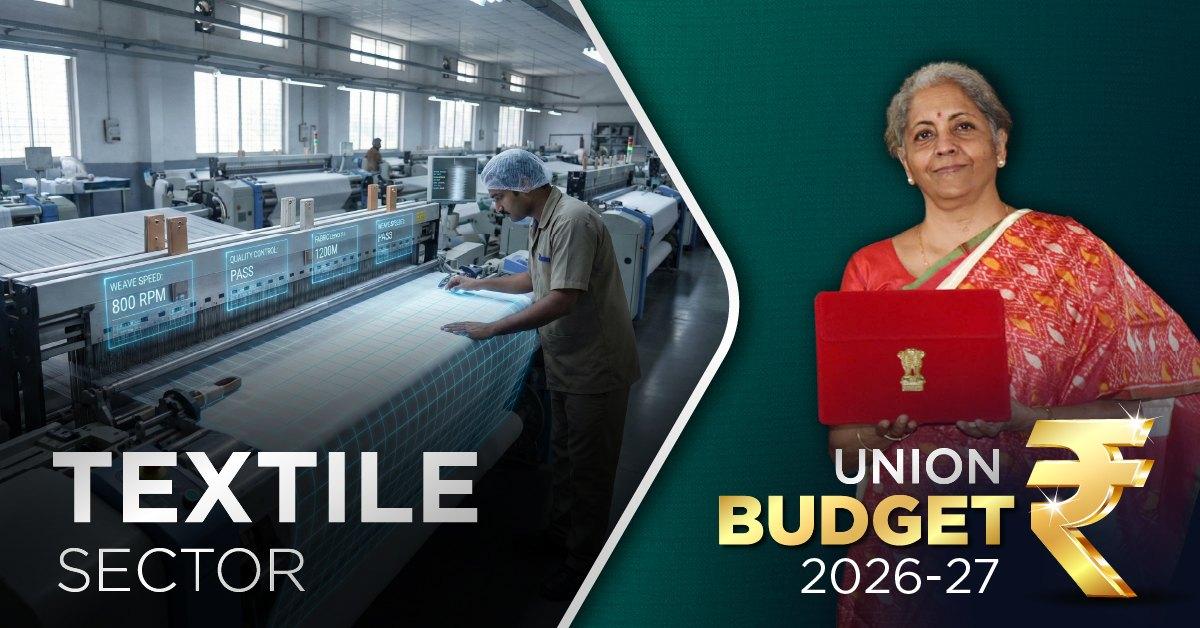
बजेट 2026 मध्ये भारताच्या वस्त्र क्षेत्राला एकात्मिक योजना, मेगा पार्क, कौशल्य विकास आणि बाजार समर्थनासह प्रोत्साहन; आशावादामुळे शेअर्समध्ये तेजी आली.
✨ महत्त्वाचे मुद्दे
केंद्रीय अर्थसंकल्प 2026, अर्थमंत्री निर्मला सीतारामन यांनी सादर केला, ज्याने भारताच्या श्रमप्रधान वस्त्र क्षेत्रासाठी मजबूत धोरणात्मक जोर दिला आहे. याचा उद्देश आत्मनिर्भरता, रोजगार, नवोन्मेष आणि जागतिक स्पर्धात्मकता वाढवणे आहे. सरकारच्या उपाययोजनांचा भर सर्वसमावेशक विकास, ग्रामीण विकास आणि निर्यात प्रोत्साहनावर आहे, ज्यामुळे वस्त्र क्षेत्राला भारताच्या आर्थिक आणि सामाजिक अजेंडाचा एक प्रमुख चालक म्हणून स्थान दिले जात आहे.
एकात्मिक वस्त्र कार्यक्रम: विकासाची पाच स्तंभ
वस्त्र पर्यावरण प्रणालीचे आधुनिकीकरण आणि बळकटीकरण करण्यासाठी, अर्थमंत्री सीतारामन यांनी पाच प्रमुख घटकांचा समावेश असलेला एक एकात्मिक कार्यक्रम प्रस्तावित केला आहे:
- राष्ट्रीय फायबर योजना - रेशीम, लोकर, ज्यूट यांसारख्या नैसर्गिक फायबर तसेच मानव निर्मित आणि तांत्रिक फायबरमध्ये आत्मनिर्भरता साध्य करण्यावर लक्ष केंद्रित करून, ही योजना आयातीवरील अवलंबित्व कमी करण्यासाठी आणि भारताच्या कापडासाठी कच्च्या मालाचा पाया मजबूत करण्यासाठी उद्दिष्ट आहे.
- कापड विस्तार आणि रोजगार योजना - पारंपारिक समूहांचे आधुनिकीकरण करण्यासाठी तयार केलेली ही योजना यंत्रसामग्री, तंत्रज्ञान उन्नयन आणि सामान्य चाचणी व प्रमाणन केंद्रांसाठी समर्थन प्रदान करेल, भारतीय कापड समूहांना जागतिक स्तरावर स्पर्धा करण्यास सक्षम करेल.
- राष्ट्रीय हातमाग आणि हस्तकला कार्यक्रम (NHHP) – NHHP विद्यमान योजनांचा समावेश करून विणकर आणि कारागीरांना लक्षित समर्थन प्रदान करेल, उत्पादनाची गुणवत्ता वाढवेल आणि बाजारातील स्पर्धात्मकता सुनिश्चित करेल.
- टेक्स्ट-ECON उपक्रम - भारताच्या कापडांना जागतिक स्तरावर स्पर्धात्मक आणि शाश्वत बनवण्यावर लक्ष केंद्रित करून, टेक्स्ट-ECON नवकल्पना, डिझाइन विकास आणि क्षेत्रभर पर्यावरणपूरक पद्धतींचा अवलंब करण्यास प्रोत्साहन देईल.
- समर्थ 2.0 - हा उपक्रम उद्योग आणि शैक्षणिक संस्थांसोबत भागीदारीद्वारे कापड कौशल्यांचे आधुनिकीकरण आणि उन्नयन करण्याचे उद्दिष्ट आहे, विकसित होत असलेल्या कापड क्षेत्रासाठी प्रशिक्षित व्यावसायिकांचा सतत पुरवठा सुनिश्चित करणे.
मेगा टेक्सटाईल पार्क्स आणि महात्मा गांधी ग्राम स्वराज उपक्रम
महत्वपूर्ण पावलांमध्ये, वित्त मंत्री यांनी "चॅलेंज मोड" मध्ये मेगा टेक्सटाईल पार्क्स स्थापन करण्याची योजना जाहीर केली. हे पार्क्स केवळ प्रमाण आणि कार्यक्षमतेला प्रोत्साहन देणार नाहीत तर तांत्रिक कापडांसाठी मूल्यवर्धनावर देखील लक्ष केंद्रित करतील, जिथे भारत जागतिक स्तरावर स्पर्धात्मक होण्याच्या तयारीत आहे.
याला पूरक म्हणून, महात्मा गांधी ग्राम स्वराज उपक्रम खादी, हातमाग आणि हस्तकला मजबूत करण्यासाठी जाहीर करण्यात आला. हा कार्यक्रम जागतिक बाजारपेठेतील जोडणी, ब्रँडिंग समर्थन, आणि प्रशिक्षण व कौशल्यवर्धन वाढवण्याचे उद्दिष्ट आहे, ज्यामुळे विणकर, ग्रामीण उद्योग, एक जिल्हा एक उत्पादन (ODOP) उपक्रमातील सहभागी, आणि ग्रामीण युवकांना थेट फायदा होईल.
बजेट घोषणांना बाजाराकडून चांगला प्रतिसाद मिळाला, कापड स्टॉक्समध्ये तीव्र वाढ झाली. किटेक्स गारमेंट, पर्ल ग्लोबल, आणि अरविंद सारख्या कंपन्यांनी वाढीचे नेतृत्व केले, धोरणात्मक सातत्य, आधुनिकीकरण, आणि निर्यात समर्थनाबद्दल गुंतवणूकदारांचा उत्साह प्रतिबिंबित केला. इतर निर्यात-उन्मुख खेळाडू, ज्यात गोकलदास एक्सपोर्ट्स, KPR मिल, आणि वेलस्पन लिव्हिंग यांचा समावेश आहे, त्यांनी देखील व्यापारात लक्षणीय वाढ केली, या क्षेत्रावरील नव्याने विश्वास दाखवला.
मजबूत धोरणात्मक समर्थन असूनही, हा क्षेत्र काही अल्पकालीन आव्हानांना सामोरे जात आहे, विशेषतः निर्यातीमध्ये. जागतिक मागणीतील चढ-उतार, व्यापार अडथळे, आणि बांगलादेश आणि व्हिएतनाम सारख्या देशांकडून स्पर्धा अजूनही आव्हाने निर्माण करतात. बजेटच्या उपक्रमांच्या यशस्वितेवर सरकारची उत्पादन आधुनिकीकरणाला जागतिक बाजारपेठेतील प्रवेशासह जोडण्याची क्षमता आणि तांत्रिक कापड व उच्च मूल्यवर्धित विभागांना मजबूत करण्याची क्षमता अवलंबून आहे.
निष्कर्ष
बजेट 2026 भारताच्या कापड क्षेत्रासाठी एक वळणबिंदू आहे, कौशल्य विकास, आधुनिकीकरण, आणि जागतिक पोहोच एकत्रित करते. प्रभावीपणे अंमलात आणल्यास, हे उपाय भारताला जागतिक कापड शक्ती बनवू शकतात, लाखो नोकऱ्या निर्माण करू शकतात, आणि ग्रामीण उपजीविकेला शाश्वत चालना देऊ शकतात. धोरणात्मक धोरण समर्थन आणि लक्षित हस्तक्षेपांसह, भारताचे कापड उद्योग परंपरेला नवकल्पनेशी संतुलित करण्यासाठी सज्ज आहे, येत्या दशकात हातमाग आणि उच्च तंत्रज्ञान फायबर दोन्ही फुलण्याचे सुनिश्चित करेल, जरी निर्यात आव्हाने लक्ष केंद्रित क्षेत्र राहतील.
अस्वीकृती: हा लेख केवळ माहितीच्या उद्देशाने आहे आणि गुंतवणूक सल्ला नाही.