5 Factors That Pulled Indian Markets Lower This Week Amid Tariffs, RBI Policy, and Weak Q1 Results
DSIJ Intelligence-2 / 09 Aug 2025 / Categories: Mindshare, Trending
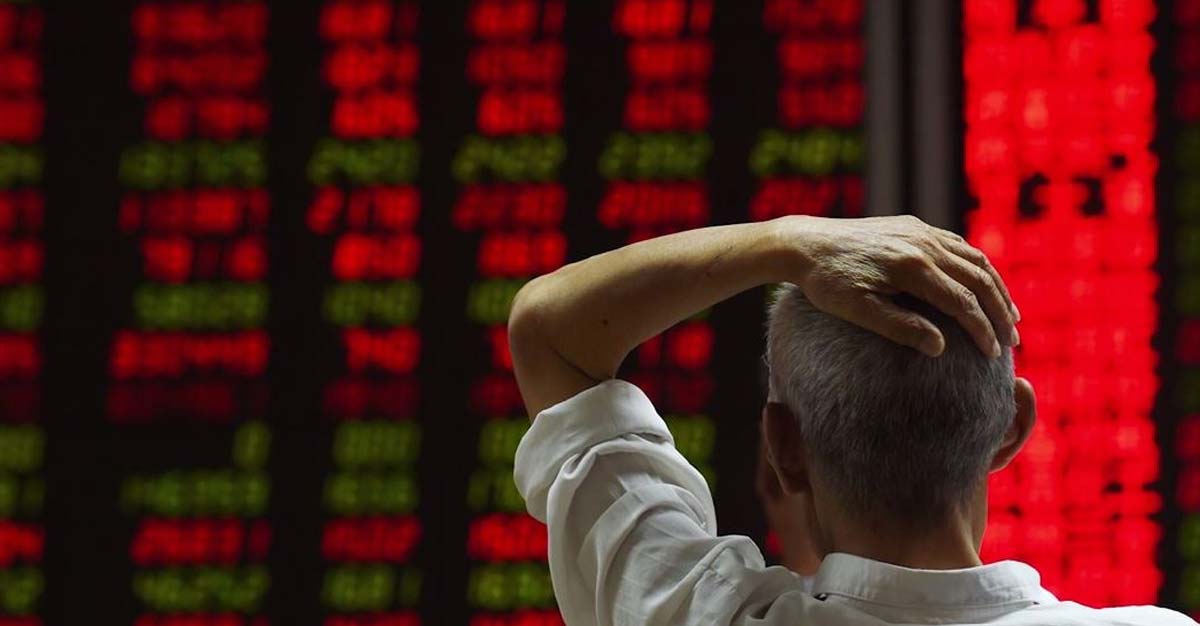
For the week ended Friday, 8 August 2025, the S&P BSE Sensex fell 742.12 points or 0.92 per cent to 79,857.79, while the Nifty 50 dropped 202.05 points or 0.82 per cent to 24,363.30.
The domestic equity benchmarks ended the week with sharp losses, pressured by renewed global trade tensions after U.S. President Donald Trump announced a doubling of tariffs on Indian goods. The move sparked concerns over a potential impact on Indian exports. The Reserve Bank of India’s decision to keep interest rates unchanged, along with a neutral policy stance, failed to lift investor sentiment amid persistent foreign portfolio outflows. Weak Q1 FY26 Quarterly Results from several Large-Cap and Mid-Cap companies also weighed on the markets, while the broader Small-Cap segment underperformed.
For the week ended Friday, 8 August 2025, the S&P BSE Sensex fell 742.12 points or 0.92 per cent to 79,857.79, while the Nifty 50 dropped 202.05 points or 0.82 per cent to 24,363.30. The BSE Mid-Cap index declined 1.29 per cent to 44,570.89 and the BSE Small-Cap index tumbled 1.86 per cent to 51,596.97. Markets started the week positively on Monday, with the Sensex gaining 418.81 points to 81,018.72 and the Nifty 50 rising 157.40 points to 24,722.75. However, selling pressure returned from Tuesday onwards, with both benchmarks closing lower on Tuesday and Wednesday. A marginal rebound was seen on Thursday, but Friday witnessed heavy losses as the Sensex fell 765.47 points and the Nifty dropped 232.85 points.
The RBI’s Monetary Policy Committee kept the repo rate unchanged at 5.5 per cent in its August meeting, retaining its GDP growth forecast for FY26 at 6.5 per cent and lowering the CPI inflation projection to 3.1 per cent for the year. While the central bank highlighted easing food prices and the still-unfolding impact of its earlier rate cuts, banking stocks edged lower post-announcement.
On 6 August, President Trump announced an additional 25 per cent tariff on Indian goods, effectively doubling the duty to 50 per cent. The decision, linked to India’s purchase of Russian oil, is expected to hit exports of leather, chemicals, footwear, gems and jewellery, textiles, and shrimp. India responded by highlighting that the U.S. and EU continue significant trade with Russia despite criticising India’s imports.
Among stocks in focus, Bharti Airtel declined 1.40 per cent despite reporting a 103.3 per cent YoY jump in consolidated net profit to Rs 5,948 crore in Q1 FY26. Pidilite Industries surged 7.80 per cent after announcing a 1:1 bonus issue, a Rs 10 special dividend, and an 18.60 per cent rise in net profit to Rs 672.41 crore. Hero Motocorp rose 6.61 per cent even as revenue fell 5.6 per cent YoY, supported by steady profits. Biocon plunged 10.34 per cent following a 95.2 per cent fall in net profit to Rs 31.40 crore. Kalyan Jewellers dropped 9.46 per cent despite a 48.55 per cent jump in net profit. Titan Company, SBI, LIC, and Trent gained after posting positive quarterly results, while Divis Laboratories, Britannia, and BHEL ended lower.
Global cues added to the volatility. Bank of Japan minutes suggested possible future rate hikes if trade tensions ease. South Korea reported a record USD 14.27 billion current account surplus in June. In the U.S., July nonfarm payrolls rose by only 73,000, well below expectations, while services sector growth stalled, reflecting the impact of tariff policies on business costs and employment.
Disclaimer: The article is for informational purposes only and not investment advice.