Altering Trade Patterns Disrupt Commodity Flow
Ninad Ramdasi / 05 May 2022 / Categories: DSIJ_Magazine_Web, DSIJMagazine_App, Editorial, Market Moves, Market Watch
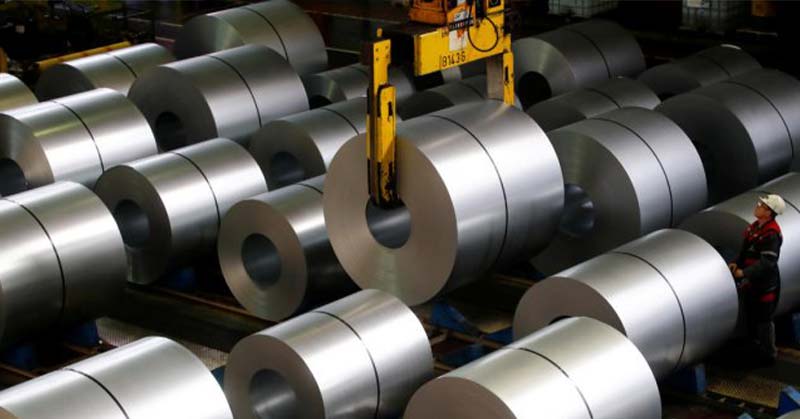
The increase in commodity prices in the last two years has been the highest since the oil crisis of 1973. Due to this, a shift towards costly trade patterns has set off, delaying the clean energy transition.
[EasyDNNnews:PaidContentStart]
According to World Bank’s latest Commodity Markets Outlook report, the war between Russia and Ukraine has jolted the commodity markets. Changing global trade patterns, production as well as consumption will keep prices at historically high levels throughout 2022 and continue the same till the end of 2024.
The price rise in food commodities, of which, Russia & Ukraine are large producers, and the fertilisers, which depend on natural gas as a production input, have been the highest since 2008.
The surge in commodity prices during the first quarter of 2022
The commodity price rise reflects the impact of the war in Ukraine and continued growth in demand, coupled with various constraints on supply. Most of the commodities are expected to be significantly higher in 2022. The overall movement of commodity markets depends critically on the duration of the war between Russia and Ukraine as well as on the severity of disruptions to commodity flows.
In the last fortnight, commodities traded largely lower as market participants chose the US dollar for positioning before the Fed meeting. On the other hand, rising uncertainty about the Chinese economy and the Russia-Ukraine war also affected commodities.
Gold dropped to a ten-week low before bouncing back to USD 1,900 per troy ounce level, mirroring the move in the US dollar. Industrial metal also slumped on weaker risk sentiment and concerns about the state of the Chinese economy; however, the prospect of the country's stimulus measures kept a hold on prices. Crude oil and natural gas were lifted during the fortnight on supply concerns relating to Russia.

For the second week in a row, gold prices extended losses, 2021. On Multi Commodity Exchange (MCX), the gold rate for the June contract closed at ₹ 51,760 per 10-gram mark, whereas the spot gold price closed at USD 1,895 per ounce levels. The broad food commodity price index gained 14 per cent in the first quarter of 2022 and is nearly 20 per cent higher than a year-ago period. Supply chain disruptions and high input costs triggered a rally that pushed some food commodity prices to record highs particularly, a large increase in wheat prices.
The all-important US Fed meeting is scheduled in the first week of May while the general market expectation is that the central bank may increase the interest rate by 0.5 per cent. Hawkish comments from Fed officials and higher inflation have fuelled expectations that Fed may raise the interest rate aggressively to curb the rising prices. Usually, Fed changes the interest rate by 0.25 per cent but this time, it may consider a bigger move to get interest rates to normal levels.
[EasyDNNnews:PaidContentEnd] [EasyDNNnews:UnPaidContentStart]
To read the entire article, you must be a DSIJ magazine subscriber.
Current print subscribers click here to login
Subscribe now to get DSIJ All Access
[EasyDNNnews:UnPaidContentEnd]