Anil Ambani-Era Central Bank of India Initiates Fraud Proceedings Against RCom: Know the Background, Context & What Lies Ahead for Investors
DSIJ Intelligence-2 / 11 Sep 2025 / Categories: Mindshare, Trending
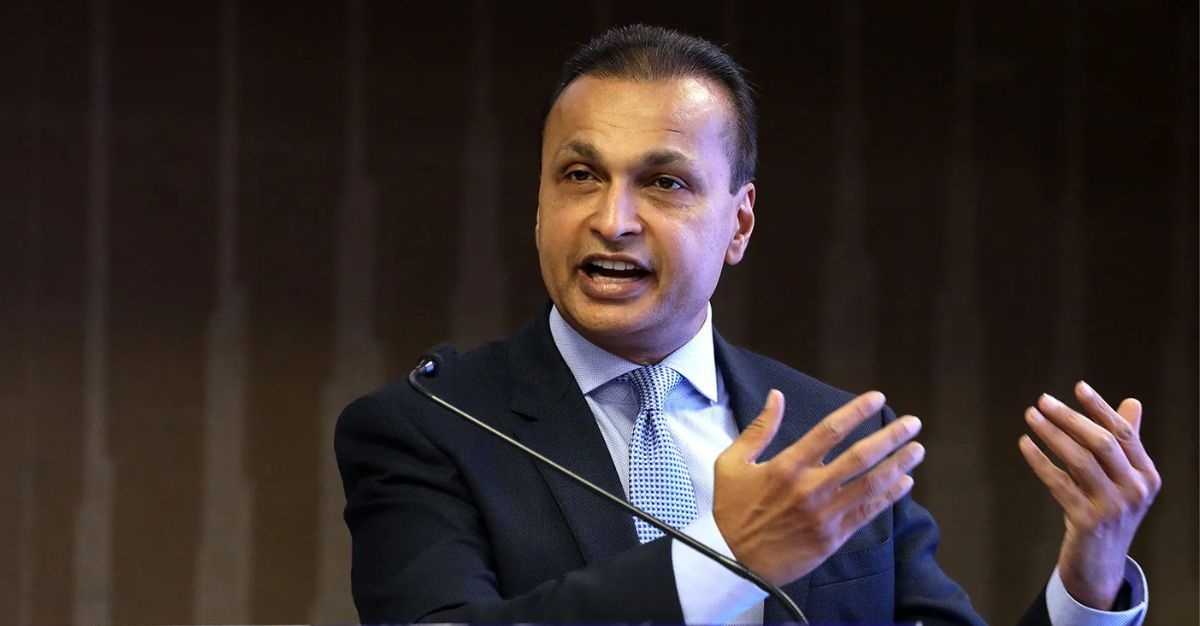
9 Key Allegations Against Company as Central Bank of India Initiates Fraud Proceedings
Reliance Communications Limited (RCOM), which has been under corporate insolvency resolution since June 28, 2019, is facing fresh trouble after the Central Bank of India (CBI) issued a show-cause notice dated September 2, 2025. The notice, received on September 9, 2025, seeks an explanation on why the company’s account should not be declared as ‘fraud’ and reported to the Reserve Bank of India (RBI).
The action follows a forensic audit commissioned by the State Bank of India (SBI) and carried out by BDO India LLP. Covering the period from April 1, 2013, to March 31, 2017, the audit investigated RCOM, Reliance Infratel Limited (RITL), and Reliance Telecom Limited (RTL). The findings highlight alleged diversions and misutilization of loans amounting to Rs 15,436.22 crores, which auditors classified as “diversion of loan funds” under RBI’s Master Circular on Frauds.
DSIJ’s 'Tiny Treasure' service recommends researched Small-Cap stocks with Inherent Growth Potential. If this interests you, download the service details here.
Major Allegations from the Forensic Audit
1. Diversion of Bank Loans
RCOM, RITL, and RTL collectively received Rs 31,580 crores. Of this, 41 per cent (Rs 12,692.31 crores) was allegedly diverted to connected parties, while 44 per cent (Rs 13,667.73 crores) was used for loan repayments outside sanctioned purposes.
2. Routing of Funds and Loan Evergreening
RITL loans worth Rs 1,976 crores were routed through Reliance Communications Infrastructure Limited (RCIL) to repay RCOM’s loans. Examples include a Rs 345 crore Yes Bank loan eventually used to settle dues to China Development Bank.
3. Investments in Mutual Funds and FDs
Around Rs 3,674.85 crores from bank loans were diverted into mutual funds and fixed deposits, contrary to sanction conditions.
4. Non-Adherence to Escrow Norms
SBI’s rupee loan of Rs 1,200 crores required an exclusive escrow account for Reliance Jio receivables. The audit found this condition was not met.
5. Misuse of Sales Invoice Financing
RITL allegedly discounted bills worth Rs 200 crores, routing funds through RCIL for related party payments. Over time, this escalated to Rs 2,978.76 crores.
6. Fictitious Debtors and Inter-Company Loans
RTL reportedly reduced debtors via “round-tripping” transactions involving Reliance Webstores Limited (RWSL). Inter-company loans were also used to obscure fund flows.
7. Deals with Netizen Engineering Pvt Ltd
RCOM gave Rs 5,525 crores as capital advances to Netizen Engineering. Later, Netizen acquired assets from connected company M.P. Network Pvt Ltd, raising valuation and impairment concerns.
8. Loss on Preference Shares
RITL sold preference shares of RTL worth Rs 1,347.70 crores for only Rs 260 crores, booking a loss of Rs 1,087.70 crores.
9. Transactions with Non-Consortium Banks
RTL conducted 97 per cent of transactions with non-consortium banks, while RCOM used Rs 716.32 crores from consortium lenders to repay non-consortium lenders without required approvals.
Management’s Stand and Auditor’s View
RCOM’s management defended its actions, stating that related-party dealings should be considered within a “single economic unit” and that funds were sometimes temporarily parked in mutual funds or fixed deposits before utilisation.
However, BDO India LLP dismissed these explanations, noting that RCOM, RTL, RITL, and RCIL are distinct legal entities. The forensic report emphasised that loans must be used for sanctioned purposes only. The audit concluded that several transactions qualified as misappropriation and diversion of loan funds under RBI norms.
This development adds another layer of complexity to RCOM’s ongoing insolvency process. Investors tracking the company’s past movements in the market—including its IPO history and debt restructuring plans—will closely watch how this case evolves.
Disclaimer: The article is for informational purposes only and not investment advice.