Chip by Chip, A Bull Run in Semiconductors?
Sayali Shirke / 18 Sep 2025/ Categories: Cover Stories, Cover Story, DSIJ_Magazine_Web, DSIJMagazine_App, Stories
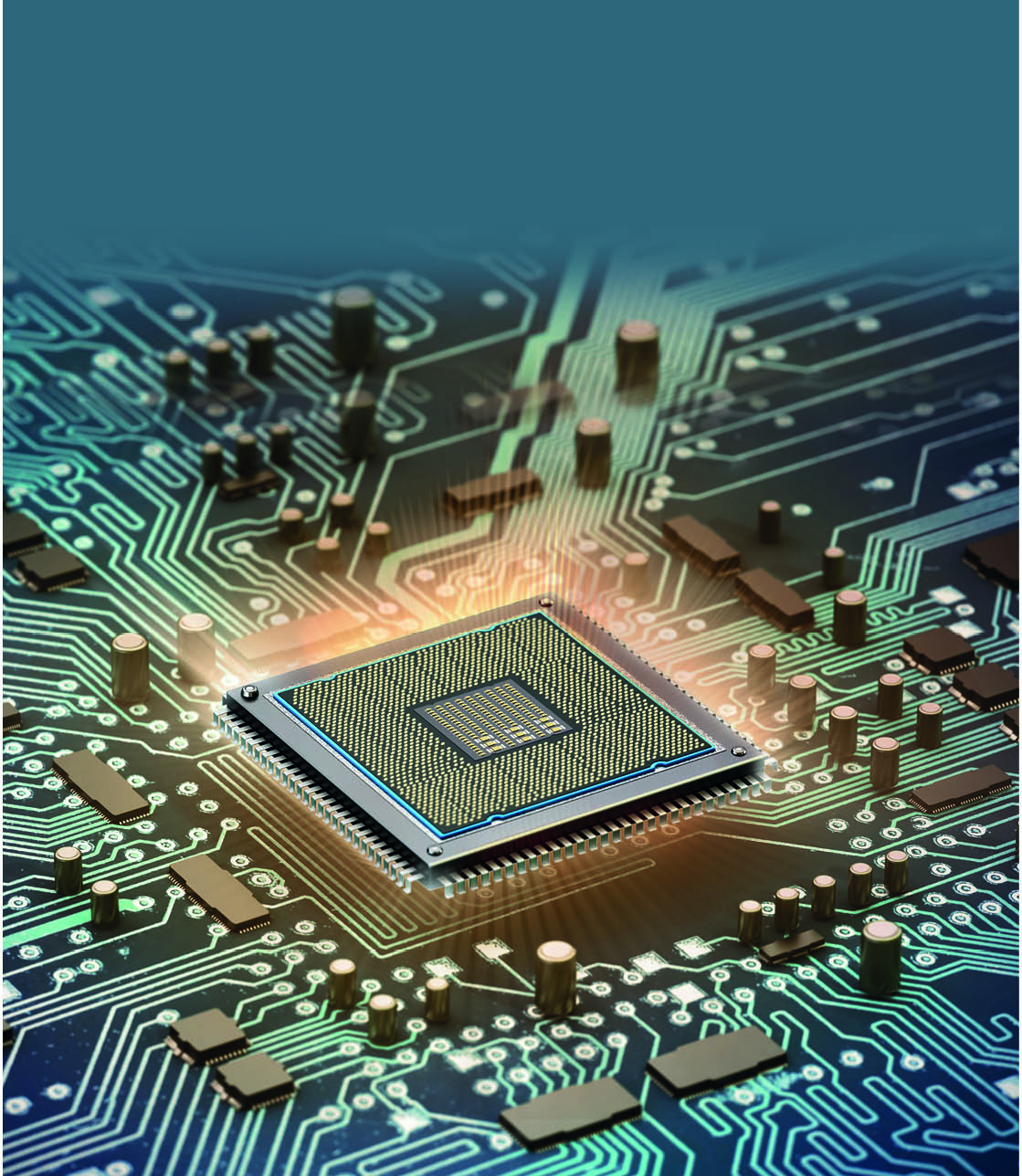
Once seen as a distant aspiration the building blocks of a domestic chip industry are now being placed on the ground with speed and seriousness.
Chip by Chip, A Bull Run in Semiconductors? [EasyDNNnews:PaidContentStart]
India’s semiconductor dream is no longer just talk; it’s beginning to take shape. With policy thrusts like ISM 2.0 and a slew of corporate tie-ups, the country is gearing up to script its own chip story. Mandar Wagh decodes whether investors should ride this multi-year, capital-heavy transformation spanning the entire value chain, and more importantly, whether this could be the sector where investors meet the next big bull run
There are stories that announce themselves quietly and then, after a few years, become impossible to ignore. India’s push into semiconductors is one such story. Once seen as a distant aspiration, the building blocks of a domestic chip industry are now being placed on the ground with speed and seriousness. What was a policy conversation in conference rooms and ministries has transformed into steel structures, glass facades, and clean rooms dotting industrial hubs, and boardroom decisions that will determine whether India can move from being an importer of chips to an exporter of value.
This is not just technology for technology’s sake. Chips sit at the centre of every modern value chain. For investors, the key concern is whether policy momentum can translate into sustainable value creation through listed companies. Policymakers, meanwhile, must ensure that incentives and institutional frameworks foster entire ecosystems rather than isolated plants vulnerable to shocks. For engineers and businesses, the challenge lies in building design, testing, and assembly capacities that can evolve into a self-sustaining supply chain.
This story takes stock of what has happened in the last few years, explains the new policy thrust known as ISM 2.0, reviews state-level and company-level moves, examines geopolitical headwinds such as recent U.S. tariffs, and offers a realistic growth outlook and list of challenges investors should watch.
ISM 2.0 and Beyond
India’s central government has been explicit about its ambition to build an indigenous semiconductor ecosystem. The ‘India Semiconductor Mission’ (ISM), launched earlier, provided the first wave of targeted financial incentives to attract wafer fabrication plants, testing and packaging units, and design houses. Now the government appears to be preparing an upgraded phase, commonly referred to as ‘ISM 2.0’. Officials have said the next round will be fast-tracked and that a cabinet note to expand and deepen support is expected to be processed soon. The fast-tracking of ISM 2.0 aligns with a global wave of investments in diversifying and reshoring chip supply chains.
For India, this opens a strategic window to develop a resilient ecosystem spanning design, fabrication, and packaging. Parallel to ISM 2.0, there are signs of a finer policy instrument mix. One example is a reported design-linked incentive or DLI 2.0 that targets chipset development for specific categories of consumer electronics. The aim is to create guaranteed domestic demand for chipsets designed or assembled in India by tying incentives to product categories such as televisions, air conditioners and other home appliances.
In practical terms, these demand guarantees help reduce the market risk that makes capital-intensive wafer fabs so hard to justify on day one. The strategic logic is clear. Building a fab is capital intensive and takes years to commission. Incentives that reach beyond capital grants, to secure demand and to subsidise initial operating costs, improve the economics. At the same time, a concentrated push on design and packaging can deliver jobs and supply resilience quickly while fabs scale up.

India’s Multipronged Semiconductor Strategy
The government rolled out the Semicon India Programme in 2021, approving a total outlay of ₹76,000 crore to build a domestic semiconductor and display manufacturing ecosystem. In March 2024, Prime Minister Narendra Modi laid the foundation stone for three semiconductor plants worth ₹1.25 lakh crore, two in Gujarat and one in Assam. India’s semiconductor strategy has been deliberately multipronged, recognising that the value chain is not a single activity but an interconnected web of capabilities.
At the front end, the government is offering incentives to attract wafer fabrication units, which are capital-intensive but critical for building credibility in the global chip ecosystem. In the middle of the chain, policy support is directed toward assembly, testing, marking, and packaging facilities (ATMP), which are essential for creating scale and immediate employment opportunities. At both the front and back ends, India is also investing in softer but equally important areas such as nurturing chip design start-ups, promoting universityindustry collaborations, and expanding workforce skilling initiatives.
These efforts are linked to the country’s broader electronics manufacturing clusters, ensuring synergies with existing strengths in mobiles, consumer electronics, and telecom equipment. Approvals for new investments are growing, and authorities are actively addressing policy gaps that have historically discouraged global players. Support extends beyond financial grants to include land facilitation, reliable power and water supply, and improved port access. Training partnerships with industry bodies and international players are also underway to develop a steady talent pipeline.
States in the Fast Lane
If the centre is setting the national playbook, states are executing aggressively on the ground. Gujarat has emerged as a front-runner in attracting large projects. The Dholera industrial region has been chosen for some of the country’s most ambitious semiconductor projects and now hosts plans for residential and civic infrastructure tied to these investments. Reports show a comprehensive package for one of the country’s earliest large-scale fabs, including arrangements for housing, services and utilities near the plant footprint.
Other states are not far behind. Another defining example is the ₹27,000 crore unit being established in Assam, by Tata Semiconductor Assembly and Test (TSAT). Once operational, the facility is projected to manufacture as many as 48 million chips daily. Maharashtra has approved four mega projects in high technology, representing a cumulative investment of ₹1.17 lakh crore and expected to create thousands of employment opportunities.
Odisha signed a clutch of memoranda aimed at growing electronics manufacturing, Printed Circuit Board (PCB) and testing capabilities. Karnataka is focusing on research and deep tech hubs, for instance by allocating land for quantum and semiconductor-related R&D clusters, while drawing on Bengaluru’s strong base of design talent and engineering institutes. These moves show a plural geography of capability where different states aim to excel in different parts of the chain.
This competition has a dual effect. It accelerates execution and creates pockets of excellence. But it also raises governance questions about coordination, state-by-state regulatory differences, and the risk of duplicative incentives that inflate central costs without building complementarities. For investors, the practical takeaway is that the specific state policy and the local infrastructure package often matter as much as the headline national incentive.
Partnerships, Pivot, and Progress
A handful of high-profile corporate moves provide a real-world anchor to the policy talk. Tata Electronics has emerged as a lead private-sector player. The company has completed a definitive agreement with Taiwan’s Powerchip Semiconductor Manufacturing Corporation to bring technology and build India’s first large-scale wafer fab in Dholera, Gujarat. This project is positioned as a material milestone for India’s manufacturing capability and demonstrates the private sector’s willingness to partner with global fabrication expertise. The Vedanta-Foxconn story is instructive as it reveals the unpredictability of big-ticket semiconductor plays.
The high-profile proposed JV between Vedanta and Foxconn to build fabs made headlines when the companies initially signed arrangements. But corporate realignments followed, and Foxconn decided not to proceed with the original arrangement, leaving Vedanta to reassess. Such reversals underscore that even with generous incentives, semiconductor projects must align with global strategy, technology choices and partner appetites. The episode also shows that local champions may continue to reconfigure arrangements until the right mix of capital, IP and ecosystem is in place.
India’s cabinet has cleared the establishment of a new semiconductor facility, set up as a joint venture between HCL Group and Taiwan’s Foxconn. The plant, to be located near Jewar airport in Uttar Pradesh, will have a production capacity of 20,000 wafers per month, enabling the manufacture of up to 36 million display driver chips. Beyond fabrication, there is strong momentum among smaller listed firms and startups in design, testing, and equipment supply.
Governments and venture funds are backing a wave of design houses and IP development that can feed into domestic assembly and bespoke chips for automotive, defence, and industrial customers. These are the companies that can scale faster and begin revenue generation earlier. For the listed universe, firms exposed to electronics manufacturing services, PCB assembly, test and measurement, and industrial power can be early beneficiaries even before high-volume wafer fabs reach steady state.
Numbers That Matter
To gauge the financial strength of India’s semiconductor opportunity, we evaluated the performance of leading listed companies with exposure to chip-related or semiconductorlinked activities. While these companies are not pure-play semiconductor players, their scale and market capitalisation make them critical indicators of the sector’s broader end-user dynamics. To capture performance over a meaningful horizon, our analysis extends beyond a single quarter and reviews company results across the past two financial years.

At an aggregate level, the sector posted a healthy 39 per cent revenue growth in FY25 over FY24, with net profit surging by nearly 25 per cent year-on-year. It is important to note that for companies reporting more than 100 per cent net profit growth, a sizeable share came from other income. Even after excluding this component, the underlying growth remains notably strong.
While several Small-Cap and micro-cap listed players are not included in this review, many of them have drawn investor attention with strong performances and the optimism surrounding the sector’s vast growth potential. Moschip Technologies Ltd. and MIC Electronics Ltd. have emerged as headline grabbers, with their stocks soaring more than 50 per cent in just a month. All indicators point to the sector’s immense potential, suggesting it could deliver substantial rewards in the future if companies execute projects on time, secure technology partnerships, strengthen supply chains, and develop talent at scale.
Tariffs: A Double-Edged Sword for Chips
Geopolitics now shapes semiconductor strategy as much as economics does. In August 2025, the U.S. imposed a large tariff on certain imports from India. Donald Trump stated that his administration plans to levy tariffs on semiconductor imports made by companies unwilling to shift their manufacturing to the U.S. The policy moves fit into a broader era of trade friction and rising protectionism that began in the late 2010s and has continued to shape investment decisions.
On the one hand, such tariffs are negative for Indian exporters of electronics and some intermediate products because they raise the cost competitiveness of goods sold into the U.S. market. Conversely, such measures reshape incentives and can be seen as encouraging more manufacturing within India. What does this mean for India’s semiconductor ambitions specifically? The impact is mixed. Short term, higher tariffs on certain finished exports can slow revenues for companies that rely on cross-border supply chains. That can reduce cash flow available for reinvestment in local value addition.
In the medium term, however, tariffs and export controls elsewhere have accelerated conversations about supply chain resilience. For multinational companies that fear disruption, India’s scale, talent pool, and improving policy environment now look more attractive as a diversification option. This could translate into manufacturing commitments and technology partnerships that favour local fabs, design centres and ATMP facilities. Policy-induced trade friction is a risk, but it also acts as a forcing function that makes the economics of localisation more compelling.
What Can Go Wrong and Right
The drive for domestic production and accelerated implementation is promising, but the path forward will face hurdles unless critical factors are addressed, which could either pose challenges or become strengths if resolved in time.
Capital intensity and timeline risk. A wafer fab costs billions and can take years to reach stable capacity. Delays in procurement, approvals, or technology transfer can inflate costs and push timelines. The risk is not theoretical; many global fab projects have faced delays due to equipment delivery lead times and skills shortages. This is why the government’s mix of incentives and demand-side support is critical.
Technology and IP gaps. Chipmaking is not only capital heavy but also IP heavy. Successful fabs rely on close partnerships with IP holders and equipment vendors. Securing long-term technology partnerships is essential. Strategic tie-ups, such as the Tata Electronics and Powerchip agreement for technology transfer, are examples of how this risk can be mitigated.
Supply chain and ecosystem depth. A fab is only as good as the supply chain around it. Chemical precursors, specialised gases, ultra-pure water systems, and a domestic supply of precision equipment and metrology tools are all needed. Building these adjacent industries requires sustained policy attention and private investment.
Talent and operational know-how. Engineers experienced in fab operations, process control, yield management and equipment maintenance are scarce. This requires targeted skilling initiatives, training partnerships with global firms, and perhaps staged operational arrangements where experienced manufacturers temporarily lead operations while local talent ramps up.
Global geopolitics. Export controls, tariffs and strategic competition can create winners and losers. While protectionist measures can accelerate localisation, they also introduce uncertainty that can delay foreign investment. The VedantaFoxconn example shows that even headline alliance announcements can evolve rapidly if geopolitical or commercial conditions change.
Financial viability of nodes. Competing at the bleeding edge is not an option for new entrants. The economics favour a differentiated strategy that focuses on specialised mature-node chips, customised analogue and power devices, and application-specific designs. Investors should be wary of plans that promise to leapfrog directly into the latest nodes without clear technology partnerships.
Where Growth Awaits in Semiconductors
If India can convert promises into continuous execution, the growth opportunity is huge. A domestic semiconductor ecosystem that includes design houses, ATMP facilities, and at least a handful of wafer fabs would fundamentally change the country’s electronics value chain. Projections vary, but several industry experts and policy briefs that followed the initial ISM approvals estimated investments of billions of dollars over a decade, with the potential to create thousands of skilled and semi-skilled jobs across the ecosystem.
The scale of capital can materially change the global allocation of certain chip segments, especially for mature nodes and for chips intended for automotive, power electronics and consumer appliances. Investors should keep in mind two practical considerations. First, the earliest returns to shareholders are more likely to come from serviceable parts of the chain such as ATMP, testing, PCB assembly, and equipment suppliers. These require less upfront capital and have shorter timelines.
Second, fabs focused on mature nodes and specialised chips for vehicles, power electronics and IoT are more achievable in the short and medium term than pushing to compete immediately with the cutting-edge 3nm or 5nm fabs in Taiwan or South Korea. The sweet spot for India is to build reliability and capacity in the nodes and products that global markets still need and that are less dominated by a handful of players.
Where to Find Semiconductor Winners
For investors watching listed Indian companies, there are three practical ways to think about exposure and opportunity. First, look at companies that provide services and inputs across the assembly and testing value chain. These names can benefit early and with less execution risk than large fab projects. Contract manufacturers, precision tool makers, industrial utilities and Electronics System Design and Manufacturing (ESDM) cluster suppliers are likely to capture near-term revenue growth. Government demand guarantees for certain product categories will make these plays more visible.

Second, watch for listed industrial conglomerates and Large-Cap private-sector players that secure credible tie-ups with global technology partners. Corporate balance sheet strength, a demonstrated ability to execute large projects, and credible strategic partners are useful selection criteria. Third, design and IP-oriented companies have asymmetric upside. Domestic design houses and listed software or engineering firms that can shift from system design to custom silicon design stand to benefit. Design wins in automotive, industrial controls, and IoT could create recurring revenue streams as volumes ramp.
Last Words for Investors
India’s semiconductor renaissance is not a short sprint. It is a multi-year, capital-intensive relay that requires coordination between ministries and states, between global technology partners and local conglomerates, and between educators and industry. The policy momentum, from the India Semiconductor Mission to emergent ISM 2.0 ambitions and design-linked demand schemes, is real. So are the corporate moves that anchor the rhetoric to the earth, such as Tata Electronics’ agreements to build fabs and state-level memorandum of understanding (MoUs) for testing and PCB capacity.
For investors, the sensible playbook is to be selective and patient. The earliest and most reliable returns will likely come from companies exposed to assembly, testing, design and the ecosystem that supports fabs. For those with a longer investment horizon and appetite for execution risk, wellcapitalised firms that secure credible technology partners and state-level execution clarity are the names to watch. This is a high-stakes, high-opportunity moment.
If policy, private capital and human capital align, India could move from being a buyer of semiconductors to a builder of them. If execution falters, the investments will remain a lesson in how hard it is to rewire global supply chains. It is worth watching not only for the economic value the chips will create but for what those chips will say about India’s capacity to industrialise at a scale and sophistication the country has seldom attempted.
[EasyDNNnews:PaidContentEnd] [EasyDNNnews:UnPaidContentStart]
To read the entire article, you must be a DSIJ magazine subscriber.
[EasyDNNnews:UnPaidContentEnd]