Companies, Appliances & Homes Make A ‘Smart’ Move Forward
Ninad Ramdasi / 21 Mar 2024 / Categories: DSIJ_Magazine_Web, DSIJMagazine_App, Special Report, Special Report, Stories
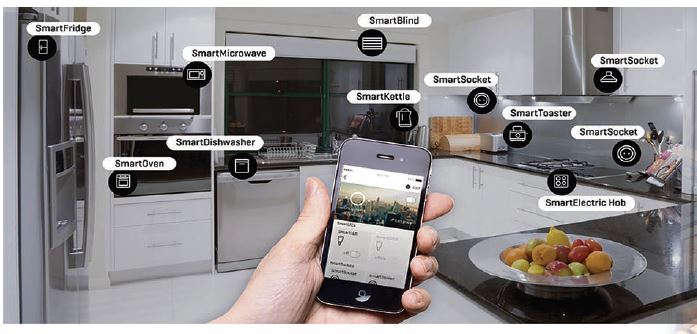
Over the past decade, there has been a remarkable evolution in household appliances, largely driven by the emergence of smart technology.
In the modern era, the infusion of smart technology into household appliances has transformed our daily interactions within our homes, offering unmatched levels of convenience, efficiency and connectivity. Mandar Wagh delves into the rise of smart appliances, the key players propelling innovation in this sector, the variety of smart appliances on offer, and the strategic utilisation of these advancements by companies to foster growth and innovation
Over the past decade, there has been a remarkable evolution in household appliances, largely driven by the emergence of smart technology. Traditional appliances have been infused with Internet of Things (IoT) features, ushering in a new era of smart appliances poised to transform our domestic experiences. Considering our familiarity with digital adoption and artificial intelligence (AI), let’s delve into understanding the concept of IoT. [EasyDNNnews:PaidContentStart]
Internet of Things
The Internet of Things (IoT) refers to the network of interconnected devices, appliances and systems embedded with sensors, software and other technologies that enable them to collect and exchange data over the internet. These devices can communicate with each other and with users, allowing for remote monitoring, control and automation of various tasks and processes. The IoT ecosystem encompasses a wide range of applications across industries, from smart homes and cities to healthcare, manufacturing, agriculture, and more. By connecting physical objects and enabling data-driven insights and actions, the Internet of Things is driving digital transformation and creating new opportunities for innovation and efficiency.
Rise of Smart Appliances
The genesis of smart appliances lies within the broader framework of the Internet of Things (IoT) ecosystem, which interlinks everyday objects with the internet, enabling them to communicate, gather data, and execute tasks autonomously. While the concept of connected devices has been present for decades, recent technological advancements have rendered it more accessible and cost-effective for consumers. Several pivotal factors contribute to the proliferation of smart appliances. Firstly, the widespread availability of high-speed internet and the omnipresence of smart phones have fostered an environment conducive to the flourishing of connected devices.
Today’s consumers anticipate seamless connectivity and remote accessibility to their appliances, compelling manufacturers to embed IoT functionalities into their offerings. Secondly, the escalating focus on sustainability and energy efficiency has propelled the development of smart appliances designed to curtail resource consumption. Ranging from energy-efficient laundry machines to intelligent thermostats that optimise heating and cooling, these appliances empower users to diminish their environmental impact without compromising comfort or convenience.
Semiconductor Investment Spurs Technology Ambitions
Prime Minister Narendra Modi has recently initiated the groundwork for three semiconductor facilities valued at around ₹1.25 lakh crore. This strategic move aims to position India as a key global hub for semiconductor design, manufacturing and technology development, fostering significant employment prospects for the nation’s youth. Semiconductors serve as pivotal components in the evolution and efficiency of smart appliances, extensively utilised in microcontrollers, processors, sensors, communication modules, user interfaces, and beyond. This developmental leap is poised to greatly benefit smart appliance manufacturers, as it anticipates a decline in semiconductor costs coupled with enhanced availability owing to domestic production capabilities.
Types of Smart Appliances
The range of smart appliances present in today’s market is extensive and varied, addressing a multitude of needs and preferences. Here are some of the most sought-after categories:
Kitchen Appliances
◼ Smart Refrigerators: Featuring touch-screen displays, internal cameras and Wi-Fi connectivity, these refrigerators assist users in managing groceries, creating shopping lists, and even placing online orders for replenishment.
◼ Smart Ovens and Ranges: With capabilities like remote preheating, cooking progress tracking and recipe guidance, smart ovens and ranges simplify meal preparation, allowing users to monitor and control their cooking remotely.
Laundry Appliances
◼ Smart Washers and Dryers: Offering features such as remote monitoring, customisable cycles and automatic detergent replenishment, smart laundry appliances streamline the laundry process while ensuring optimal performance with minimal effort.
Home Comfort Solutions
◼ Smart Thermostats: These devices learn users’ heating and cooling preferences, automatically adjusting settings to optimise energy efficiency and comfort. Smart phone apps provide remote access for temperature control from anywhere.
Illumination and Security Systems
◼ Smart Lighting Systems: From adjustable bulbs to colour-changing LEDs, smart lighting systems enable users to personalise their home’s ambience and energy consumption. Integration with voice assistants and motion sensors enhances convenience and security.
◼ Smart Home Security Systems: Equipped with video doorbells, motion sensors and remote monitoring capabilities, smart security systems offer peace of mind and real-time alerts, empowering users to safeguard their homes effectively.
Leading Companies Transforming Home Appliances with Smart Solutions
In the rapidly evolving landscape of home appliances, the demand for smart solutions has become increasingly pronounced. Companies such as Godrej, Voltas, Whirlpool, LG Electronics, Samsung, Havells, Bajaj Electricals and Syska have risen to the occasion, addressing this need with a plethora of innovative products. Godrej has distinguished itself by offering smart refrigerators and air-conditioners equipped with advanced features like remote monitoring and energy-efficient cooling. Meanwhile, Voltas has made its mark with smart air-conditioners featuring intelligent temperature control and compatibility with virtual assistants. Whirlpool has introduced cutting-edge washing machines with auto-dosing technology and intuitive interfaces.


Samsung has been leading the market with smart refrigerators boasting built-in cameras and AI-powered washing machines. Havells has impressed with a range of smart fans, air purifiers, and water heaters, while Bajaj has presented smart kitchen appliances like induction cook-tops and water heaters with appbased controls. Syska, known for its lighting solutions, has ventured into smart bulbs and LED strips, offering customisable lighting effects through smart phone apps. Together, these companies have embraced innovation to meet the growing demand for smart appliances, enhancing convenience, efficiency, and comfort for consumers across the country.

Harnessing Smart Appliances for Growth and Innovation
1. Market Expansion: With the introduction of smart appliances, Indian companies are tapping into a burgeoning market segment of technology-savvy consumers who prioritise convenience, connectivity and efficiency in their household devices. This diversification of product offerings enables companies to penetrate new customer demographics and bolster their market presence.
2. Revenue Upsurge: Smart appliances typically command premium prices compared to their conventional counterparts, owing to their advanced features and technology. Consequently, Indian companies can boost their revenues and profitability by capitalising on the sale of smart appliances, fostering overall business growth.
3. Competitive Advantage: Through strategic investments in smart appliance technology, Indian companies are setting themselves apart from competitors and establishing a distinct edge in the marketplace. By offering cutting-edge features such as IoT connectivity, remote monitoring and energy efficiency, companies can attract consumers seeking innovative solutions.


4. Brand Enhancement: Corporations embracing smart appliances can elevate their brand image as trailblazers of innovation and forward-thinking. By aligning with the latest technological trends, Indian companies can reinforce brand perception among consumers, fostering heightened customer loyalty and trust.
5. Data Analytics Opportunities: The proliferation of smart appliances yields extensive data concerning usage patterns, energy consumption and consumer preferences. Indian corporations can harness this wealth of information to glean valuable insights into consumer behaviour, product performance and market trends. By leveraging data analytics, companies can refine their product offerings, enhance customer experiences, and make informed strategic decisions.
6. Sustainability and Energy Efficiency: Many smart appliances prioritise energy-saving features and sustainability, aligning with environmental initiatives and regulatory standards. By championing energy-efficient products, Indian companies resonate with eco-conscious consumers, contributing to sustainable development efforts.
Challenges in the Adoption of Smart Appliances
Some of the challenges faced by companies in the process of adoption of new technologies include:
1. Investment in Technology: The development and integration of smart technology into appliances necessitate substantial investments in research, development and infrastructure. Indian companies, especially smaller or newer players in the market, may encounter challenges in securing funding for these initiatives.
2. Infrastructure Constraints: The seamless operation and communication of smart appliances rely on reliable internet connectivity and infrastructure. However, India grapples with challenges such as internet penetration, network reliability and connectivity issues, particularly in rural areas. Ensuring consistent connectivity and compatibility with diverse network environments presents hurdles for companies.
3. Price Sensitivity and Affordability: Despite offering advanced features and benefits, smart appliances often come with higher price tags compared to traditional alternatives. Affordability concerns among price-sensitive consumers limit the adoption of smart appliances, posing challenges for companies seeking to penetrate the market.
4. Consumer Education and Adoption: A significant portion of consumers in India may lack familiarity with smart appliances or a full understanding of their benefits. Educating consumers about the advantages of smart technology, addressing privacy and security concerns, and overcoming resistance to change pose significant challenges for companies.
5. Data Security and Privacy: Smart appliances collect and transmit sensitive user data, raising concerns about privacy and security. Companies must implement robust data protection measures, encryption protocols, and cyber security practices to safeguard consumer information and mitigate the risk of data breaches or unauthorised access.
Key Trends Shaping the Future of Home Technology
As technology advances, the realm of smart appliances is poised for further transformation with ongoing enhancements in connectivity, artificial intelligence and user interface. Here are some emerging trends and developments to monitor:
1. AI-Driven Automation: Leveraging artificial intelligence and machine learning algorithms, smart appliances will evolve to anticipate users’ needs and preferences, autonomously adjusting settings for enhanced convenience and efficiency.
2. Voice Assistant Integration: Smart appliances that respond to voice commands, seamlessly integrated with popular virtual assistants like Amazon Alexa and Google Assistant, offer users a hands-free and intuitive experience, appealing to technology-savvy consumers.
3. Improved Interoperability: Collaborative efforts and industry alliances aimed at standardising smart device communication will streamline setup and integration processes for users, encouraging broader adoption and innovation.
4. Focus on Sustainability: With increasing environmental awareness, smart appliances will prioritise energy efficiency, sustainability and eco-friendly features. By minimising energy consumption and environmental impact, users can contribute to a more sustainable future.
Click here to download list of Smart Companies
[EasyDNNnews:PaidContentEnd] [EasyDNNnews:UnPaidContentStart]
To read the entire article, you must be a DSIJ magazine subscriber.
Current print subscribers click here to login
Subscribe NOW to get DSIJ All Access!
[EasyDNNnews:UnPaidContentEnd]