Different Facets of Intergenerational Investing
Ninad Ramdasi / 22 Feb 2024 / Categories: DSIJ_Magazine_Web, DSIJMagazine_App, Special Report, Special Report, Stories
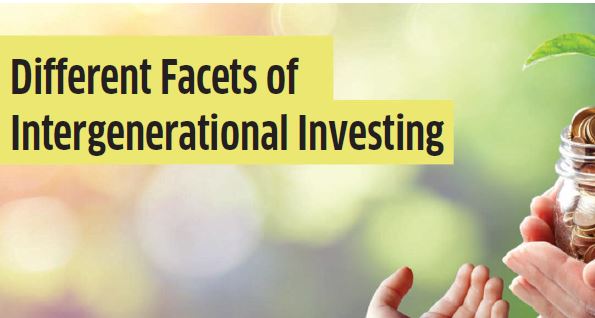
Protecting and preserving wealth across generations are intertwined concepts within wealth management, both highlighting unique aspects of financial stewardship.
As the tides of time carry forth the aspirations of countless individuals to secure their future and leave behind a lasting legacy, the concept of intergenerational investing emerges as a beacon of hope. Across epochs, the pursuit of financial stability transcends mere sustenance, intertwining with the desire to foster prosperity for generations yet to come. Mandar Wagh elucidates the true essence of wealth, aiming to grasp the fundamentals of wealth protection and preservation while harnessing external expertise and technology
Across numerous generations, individuals aspire not only to meet their daily expenses and sustain themselves but also to set aside funds for investment purposes, envisioning a brighter future. Concurrently, they harbour the desire for their investments to not only yield benefits for their own generation but also to extend their positive impact to future ones. Here enters the concept of intergenerational investing. It involves investing with the aim of benefiting not just the current but also future generations. This strategy focuses on preserving and increasing wealth over extended periods, prioritising sustainability and legacy-building. [EasyDNNnews:PaidContentStart]
Beyond Money: Unveiling the True Essence of Wealth
Frequently, individuals perceive wealth and money as interchangeable. However, while closely connected in finance, these terms bear distinct meanings. Money serves as a specific currency utilised for transactions and as a store of value within economic exchanges. While money is a component of wealth, the concept of wealth encompasses a broader scope, incorporating diverse assets and resources beyond monetary holdings. Wealth signifies the collection of valuable financial assets and resources held by individuals, families or organisations.
Typically, wealth finds representation through an investment portfolio, a diverse assembly of financial assets curated by individuals or entities. These portfolios are crafted to realise specific financial aims, be it capital growth, income generation, or risk management. Therefore, they are customised to align with the investment goals and risk preferences of investors. It involves a blend of stocks, bonds, commodities and tangible assets such as real estate (land, buildings, properties), vehicles, valuable collectibles (such as art, antiques), and a variety of other physical possessions.
Securing Tomorrow: Understanding the Differences between Wealth Protection and Preservation
Protecting and preserving wealth across generations are intertwined concepts within wealth management, both highlighting unique aspects of financial stewardship. Wealth protection involves measures to mitigate risks and liabilities, while wealth preservation focuses on maintaining and growing assets over time. By understanding the distinctions between these two concepts, individuals can develop holistic wealth management strategies tailored to their specific goals and circumstances, ensuring the enduring prosperity of their assets for future generations.
Protecting Wealth
It involves safeguarding assets from potential risks, threats, and erosion over time. This includes strategies to mitigate various risks such as market volatility, economic downturns, inflation, taxes, legal liabilities, and unforeseen events like lawsuits or health emergencies. The key elements of protecting wealth encompass the following components:
Risk Management
It involves identifying, assessing and mitigating potential risks that could impact the value of assets and wealth. It is advisable to acquire a range of insurance policies, including life, health, property and liability insurance, to safeguard against financial setbacks stemming from unexpected occurrences. Likewise, diversifying investments across various asset classes, industries, geographic regions and investment vehicles is prudent to minimise the overall risk of the investment portfolio.
Diversification serves to alleviate the impact of adverse events on any individual investment. Additionally, employing financial instruments like options, futures and derivatives can help mitigate potential losses resulting from unfavourable price shifts in underlying assets. Hedging strategies are instrumental in shielding against market volatility and downward risk exposure.
Estate Planning
It involves structuring assets and planning for the transfer of wealth to future generations in a tax-efficient and orderly manner. Utilising a variety of estate planning tools and techniques is essential to mitigate estate taxes, gift taxes, and inheritance taxes. These methods may entail establishing trusts, forming charitable foundations, and leveraging tax exemptions and deductions. Moreover, structuring assets in a manner that safeguards them from potential risks such as creditors and lawsuits is imperative.
This could entail the establishment of trusts, limited liability entities, and other legal mechanisms to shield assets from external claims and liabilities. Additionally, ensuring a seamless and efficient transfer of assets to heirs and beneficiaries upon one’s demise is crucial in minimising administrative expenses, delays and disputes. This may necessitate the creation of wills, trusts, and other estate planning documents to delineate the distribution and management of assets.
Contingency Planning
It involves preparing for unexpected financial challenges, emergencies or disruptions that could impact wealth protection. It is advisable to allocate funds for cash reserves or liquid assets to address unexpected expenses, job loss, medical emergencies, or other unforeseen financial obligations. Such emergency funds serve as a financial safety net, reducing the necessity to liquidate long-term investments during times of crisis. Developing alternative strategies or contingency plans to navigate potential setbacks or shifts in circumstances is crucial.
This may entail diversifying income sources, maintaining multiple revenue streams, or devising backup plans for various life events. Furthermore, it is essential to regularly review and reassess financial plans and strategies to pinpoint potential risks and vulnerabilities. Creating contingency plans to mitigate identified risks and adjusting to evolving market conditions or personal situations is vital.
Preserving Wealth
Preserving wealth involves maintaining the real value and purchasing power of assets over time, ensuring that they retain their long-term value and provide ongoing benefits to future generations.
The key elements of preserving wealth encompass the following components:
Investment Management
By diversifying, investors can reduce the impact of adverse events on any individual investment and attain a more stable portfolio performance. A successful investment strategy involves finding equilibrium between pursuing growth opportunities and preserving capital. While investments geared towards growth may promise higher returns, they also entail greater risks. Conversely, capital preservation prioritises safeguarding the value of investments and securing a consistent income flow, especially during market downturns or economic instability.
Long-Term Perspective
Adopting a long-term perspective on investments requires patience and discipline to endure short-term fluctuations and market volatility. By prioritising sustainable growth, investors seek to secure consistent returns over time, rather than pursuing immediate gains. Additionally, emphasising income generation entails investing in assets that offer regular dividends, interest payments, or rental income. This approach can yield a stable cash flow, bolstering financial stability and facilitating long-term wealth accumulation.
Sustainable and Responsible Investing
Taking into account environmental, social and governance (ESG) factors when making investment decisions is crucial for fostering long-term value creation. This involves assessing the environmental impact of investments and favouring companies that demonstrate sustainable practices, engage in renewable energy initiatives, and operate in an eco-friendly manner.
Additionally, evaluating the social impact of investments entails supporting companies that prioritise fair labour practices, promote diversity and inclusion, engage with the community, and contribute to philanthropic causes. Furthermore, examining the governance structure and practices of companies, including board composition, executive compensation, transparency and ethical standards, is essential. Investing in companies with robust governance practices can mitigate risks and enhance long-term performance.
Intergenerational Planning
Transferring financial values, knowledge and skills to future generations is essential to equip them with the ability to responsibly manage and grow inherited wealth. This involves providing education and guidance to heirs on financial management, investment principles, risk assessment, and strategies for wealth preservation. By doing so, future generations are empowered to make informed decisions and navigate the complexities of managing inherited wealth effectively.
Furthermore, instilling values of stewardship, integrity and social responsibility in heirs underscores the importance of ethical investing, philanthropy, and sustainable wealth management practices. By integrating these principles into their investment strategy, individuals and families can establish a robust financial foundation, foster sustainable growth, and leave behind a lasting legacy for future generations.
Leveraging External Expertise in Intergenerational Investing
While family members play a central role in intergenerational investing, leveraging external expertise can provide valuable insights, specialised knowledge, and professional guidance to enhance the family’s investment strategy and decision-making process. By collaborating with financial advisors, legal experts and investment professionals, families can access a broader range of resources and perspectives to optimise their wealth management practices.
Financial Advisors and Wealth Managers
Engaging the services of qualified financial advisors and wealth managers can offer families access to professional expertise and personalised guidance in navigating complex financial markets and investment opportunities. These advisors help assess the family’s financial goals, risk tolerance and investment preferences, developing customised strategies to preserve and grow wealth over time.
By leveraging their expertise in asset allocation, portfolio diversification and risk management, financial advisors assist families in making informed decisions aligned with their long-term objectives. Additionally, advisors can facilitate intergenerational wealth transfer planning, estate tax optimisation and charitable giving strategies, ensuring continuity in wealth preservation across generations.
Legal and Tax Professionals Collaborating with legal and tax professionals is essential for implementing effective estate planning strategies, asset protection measures, and tax optimisation techniques. Estate planning attorneys assist families in structuring wills, trusts and other legal instruments to safeguard assets, minimise estate taxes, and facilitate the seamless transfer of wealth to future generations. Tax advisors provide guidance on tax-efficient investment strategies, retirement planning, and charitable giving strategies to maximise post-tax returns and preserve family wealth. By working closely with legal and tax professionals, families can navigate complex regulatory frameworks, anticipate potential challenges, and implement proactive measures to preserve their financial legacy.
Family Office Services Establishing a family office or leveraging outsourced family office services can provide comprehensive support for intergenerational wealth management, including investment management, financial planning, estate administration, and philanthropic advisory services. Family offices offer a centralised platform for coordinating various aspects of wealth management and facilitating communication among family members, advisors and service providers. By tailoring services to the unique needs and preferences of the family, family offices provide a holistic approach to intergenerational investing, ensuring continuity in wealth preservation and stewardship across generations.
Integrating Technology in Intergenerational Investing Technological advancements have not only democratised access to investment opportunities but have also enhanced efficiency in portfolio management and decision-making processes. With the advent of innovative tools and platforms, individuals can now navigate the complexities of investing with ease, regardless of their age or level of expertise, ultimately paving the way for more inclusive and sustainable wealth management practices.
"It's not how much money you make, but how much money you keep, how hard it works for you, and how many generations you keep it for."
-Robert Kiyosaki
Here’s how technology is shaping intergenerational investing:
1. Digital Platforms and Robo-Advisors: Digital investment platforms and robo-advisors offer intuitive interfaces and automated portfolio management, optimising asset allocation for both current and future generations.
2. Education and Financial Literacy Apps: Technology democratises financial education through mobile apps and online courses, empowering individuals with essential investment knowledge and skills.
3. Impact Investing Platforms: Technology-driven impact investing platforms connect investors with opportunities to support environmental and social causes, leaving a legacy beyond financial wealth.
4. Digital Inheritance and Legacy Planning: Online estate planning services simplify inheritance management, ensuring seamless asset transfer and preserving non-financial legacies through digital repositories.
Conclusion
In conclusion, intergenerational investing stands as a testament to the enduring pursuit of sustainability and prosperity across generations. It encapsulates not only the desire to secure financial wellbeing for oneself but also the commitment to leave a lasting legacy for future generations. By understanding the true essence of wealth and embracing comprehensive strategies for protection, preservation, and leveraging external expertise and technology, individuals can navigate the complexities of wealth management with resilience and foresight. As we integrate innovative solutions and timeless principles into our investment approach, we pave the way for a more inclusive, sustainable, and prosperous future for all.
[EasyDNNnews:PaidContentEnd] [EasyDNNnews:UnPaidContentStart]
To read the entire article, you must be a DSIJ magazine subscriber.
Current print subscribers click here to login
Subscribe NOW to get DSIJ All Access!
[EasyDNNnews:UnPaidContentEnd]