Do Commodity Mutual Funds Interest You?
Ninad Ramdasi / 25 Jan 2023 / Categories: DSIJ_Magazine_Web, DSIJMagazine_App, MF - Special Report, Mutual Fund, Special Report
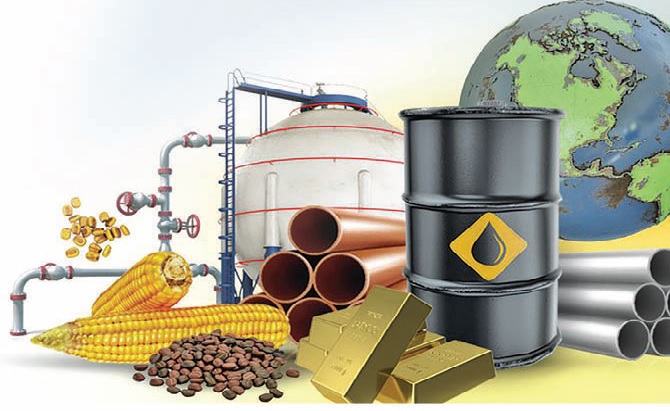
Commodity mutual funds are yet to make their mark among Indian investors compared to other popular offerings such as equity, debt or hybrid funds. However, of late, people are showing interest in them given the volatility of the equity markets. In this special report, Vardan Pandhare explores the basics of commodity mutual funds and sheds light on some of the trending commodity funds in India
Commodity mutual funds are yet to make their mark among Indian investors compared to other popular offerings such as equity, debt or hybrid funds. However, of late, people are showing interest in them given the volatility of the equity markets. In this special report, Vardan Pandhare explores the basics of commodity mutual funds and sheds light on some of the trending commodity funds in India [EasyDNNnews:PaidContentStart]
The current digital age that we live in has provided endless opportunities for advancement in every field of technology and development. This is also pertinent when it comes to investing. Technology has made it possible to invest instantaneously in any asset that meets your requirements and preferences. That it must meet your financial objectives and take into consideration your risk tolerance goes without saying. Today, you can invest in just about anything, from hot stocks to the rice you eat thanks to the commodity market. Earlier, commodity mutual funds were not very popular in India. Investors have, however, recently begun to exhibit interest in the commodities’ market due to the shift in focus on derivatives.
Fundamentals of Commodity Funds
A commodity mutual fund invests largely in commodities and pays investors based on how well the market for the commodities performs. Similar to how equity funds are tied to underlying equities assets, commodity funds are related to underlying assets that are commodities, such as the market price of crude oil, gold, other metals, etc. In this sense, the term ‘commodity’ refers to traded goods such as food grains, oil, gold, etc. For more than a thousand years, commerce and business have shaped our lives in significant ways with commodities serving as the foundation for trade. Even though a majority of people do not actively engage in commodities trading, we are all indirectly connected. Investors have a great opportunity to participate in commodity trading while also achieving certain financial goals through such funds.
Commodity Funds in India
Below are the five types of commodities funds that are available in India as an investment prospect:
1. Commodities Funds based on Futures: These funds offer access to commodities through futures contract investments, but they never actually buy the actual commodity assets themselves. This type of investing may be riskier due to the volatility of the futures market.
2. Natural Resource Fund: These funds invest in businesses or organisations that have exposure to natural resources. The most popular ones include gold, silver and oil, among others. Due to developments in technology, investments have been made in renewable energy sources, especially wind energy.
3. Index Funds: Commodity index funds are passive mutual funds that use assets to directly buy commodities at market prices following the benchmark.
4. Combination Funds: Commodities futures and a fundamental commodity fund are combined in a combination fund. These funds’ overall investing strategy includes investments in both fundamental commodities and commodity derivatives. Traditional commodity investments limit volatility. However, commodity futures provide a high level of risk.
5. True Commodity Funds: Because their pooled corpus directly buys the commodities, these funds are referred to as fundamental. These funds invest primarily in naturally existing resources like metals, food grains, etc.
Some popular commodity mutual funds in India are:
■ Axis Gold Fund
■ IDBI Gold Fund
■ HDFC Gold Fund
■ Kotak Gold Fund
■ Invesco India Gold Fund
■ Reliance Gold Savings Fund
■ Birla Sun Life Gold Fund
■ Canara Robeco Gold saving Fund
■ ICICI Prudential Regular Gold Savings Fund
■ SBI Gold Fund
Advantages of Investing in Commodity Mutual Funds
Here are some of the prominent advantages of investing in commodity mutual funds:
■ Portfolio Diversification: By integrating a commodities fund, the portfolio can be made more diverse. Regardless of the market situation, diversification can reduce associated risk and promote stable capital growth.
■ Hedge against Inflation: By offering returns that are in line with global movements, the majority of commodities funds serve as an inflation hedge. Investments in commodities, therefore, act as a hedge against inflation since they provide security against a currency’s low purchasing power due to inflation.
■ Investment Strategy: The majority of commodity funds are managed by qualified managers who are familiar with the industry and are also experts in their own right. By adopting such sensible choices, investors could increase their wealth.
■ Flexibility of Investment: Whether using commodities funds for short-term or long-term investment goals, investors always have an option. Commodity funds, which can invest in several commodities, allow investors to meet their investment criteria. Various demands can be fulfilled by different funds and a fund can be chosen based on personal preference.
■ Shield against Volatility: Silver and gold are less vulnerable to market swings than other commodities. Due to their high value, they continue to offer substantial profits even when the market is down.

Points to Consider
Commodity pricing is influenced by a variety of economic and geopolitical factors. For instance, if output increases, the price of crude oil would fall, and vice versa. There are some other factors to consider such as:
■ Commodity investments can be very risky because thereturns aren’t always guaranteed. Due to changes in the value of a particular investment, asset values may fluctuate more than they would in a fund with a wider range of investments.
■ Stock funds with a concentration on commodities may use futures contracts to track underlying commodities or commodity indices. The profitability of the underlying asset and the performance of a fund may diverge significantly because trading in these types of assets is speculative and can be extremely erratic.
■ Commodity indices with an energy component usually take up the majority of the index. Additionally, the energy sector will account for more than half of the assets in a mutual fund that seeks to directly replicate the index, thus impacting your overall investment preferences.
The Suitability Factor
Fund managers do not guarantee the returns of these funds. As such, commodities funds are therefore inappropriate for investors wanting either fixed or guaranteed returns on their investments. For people who don’t mind taking risks and don’t have a certain timeframe in mind for getting benefits, commodity funds are a good investment. These investments are suitable for those who want to diversify their holdings and have a large amount of cash. Commodity trading requires extensive market research on underlying assets and the market trend, as well as time spent on self-education. Those who lack the time or the necessary abilities can employ commodities funds, which are often managed by qualified fund managers.

Conclusion
You can diversify your exposure and invest in a range of underlying assets with commodities mutual funds. However, trading in commodities requires a thorough understanding of both the market and the product and so newcomers run the danger of making costly errors. Commodity prices can shift swiftly. As a result, one should use caution when investing in these mutual funds. As a result, base your investments on your risk tolerance and investment goals. On the other hand, if you invest in commodities mutual funds, your financial portfolio might become even more diverse. Unlike the bulk of other commodities, the values of some commodities, such as gold and silver, are not impacted by changes in the market. They usually offer substantial profits regardless of the situation of the market.
[EasyDNNnews:PaidContentEnd] [EasyDNNnews:UnPaidContentStart]
To read the entire article, you must be a DSIJ magazine subscriber.
Current print subscribers click here to login
Subscribe now to get DSIJ All Access
[EasyDNNnews:UnPaidContentEnd]