Emergency Funds: Benefits Beyond Financial Security
Ratin Biswass / 13 Nov 2025 / Categories: DSIJ_Magazine_Web, DSIJMagazine_App, MF - Special Report, Mutual Fund, Special Report
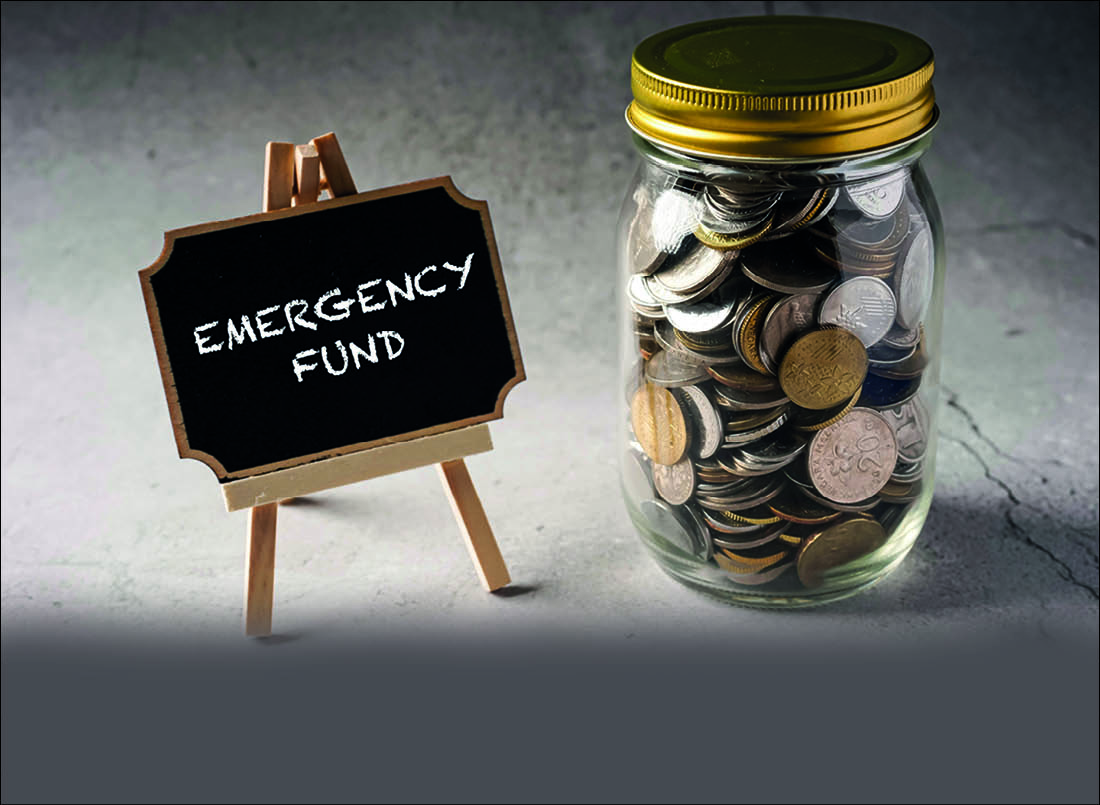
Emergencies do not wait, and neither should your preparation.
Emergencies do not wait, and neither should your preparation. A sudden job loss, medical emergency, surprise bills, natural disasters or market downturns can throw even the best-laid plans off track. Mandar Wagh explains why building an emergency fund is crucial, how to create it, the ideal coverage duration, where to park the money, and the benefits that extend beyond financial protection, offering advantages that no insurance or asset can provide[EasyDNNnews:PaidContentStart]
When Rakesh and Meera, a middleincome couple from Pune, bought their first home in early 2020, life seemed perfectly balanced. They had stable jobs, two children in good schools, and a manageable home loan EMI. But when the pandemic struck, Rakesh’s employer announced sudden pay cuts. Within weeks, Meera’s small event management business also came to a halt. What followed was a terrifying reminder of how fragile financial security can be. The couple had less than a month’s expenses in their Bank account.
With EMIs, school fees, and groceries piling up, they were forced to liquidate part of their long-term Mutual Fund investments, even at a loss. “If only we had an emergency fund,”Meera recalls, “we wouldn’t have panicked.” Although this is just one example, situations like this occur quite often in the real world too. The world we live in today is more unpredictable than ever. Actually, the Covid pandemic changed people’s perception of ‘risk’. Earlier, most people believed that having health insurance and a steady job was enough.
However, lockdowns lasting for months or even years changed that perception as incomes were severely affected. Massive layoffs in the technology sector, global trade policies, geopolitical conflicts, inflationary pressures, and rising healthcare costs have made financial shocks more frequent. People have realised that life’s uncertainties can strike without warning. And in those moments, liquidity, not assets, becomes your best friend.
Hence, today even the best financial plans appear incomplete without an accessible cash cushion. Still, a 2024 survey by a leading wealth management platform revealed that nearly 65 per cent of urban Indians have savings covering less than three months of expenses, while a significant proportion have no emergency savings at all. That’s where the urgent need for an emergency fund comes in. It acts as a financial safety net that prevents your world from collapsing when income suddenly stops. Let’s understand this better.
What Exactly Is an Emergency Fund?
An emergency fund is a dedicated reserve of money set aside to manage unexpected expenses or sudden loss of income. The line between a real emergency and a mere want can easily blur. True emergencies are unexpected, unavoidable, and timesensitive situations such as sudden job loss, medical expenses not covered by insurance, urgent home or vehicle repairs, or family emergencies that require travel.
It is not meant for planned goals such as vacations or new purchases but serves as a financial cushion that keeps your life running smoothly when the unexpected occurs. In essence, it acts as an insurance policy for your income. Just as you pay premiums to safeguard your health or car, maintaining an emergency fund safeguards your financial stability. When a crisis strikes, you should not have to rely on credit cards, borrow from others, or liquidate long-term investments at an unfavourable time.
An emergency fund ensures that your essential expenses remain covered during difficult periods. It also provides the confidence and peace of mind to handle uncertainties without derailing your financial goals, making it an essential component of every financial plan. Financial discipline is crucial, as an emergency fund fulfils its purpose only when used wisely.
How to Build Your Emergency Fund?
Creating an emergency fund can feel overwhelming at first, especially if you are starting from zero. However, the key lies in consistency rather than large, one-time contributions. The idea is to build it gradually while ensuring it becomes a natural part of your financial routine.
■ Set a Target: Begin by calculating your average monthly expenses, including rent, EMIs, groceries, insurance premiums, and utility bills. Multiply this by the number of months you want to cover, ideally three to six.
■ Start Small: Even modest savings can make a big difference. Setting aside ₹5,000 or ₹10,000 a month may seem small initially, but over time, it builds into a substantial safety net.
■ Automate Savings: Treat your emergency fund like a non-negotiable bill. Set up an automatic transfer from your salary account to a separate emergency savings or liquid fund each month.
■ Channel Windfalls: Any additional income such as bonuses, Tax refunds, or cash gifts can significantly speed up the process. Allocate a part of these windfalls directly to your fund.
■ Review Periodically: Your expenses will evolve as your lifestyle changes. Revisit your target annually to ensure your fund still covers your current financial needs.
How Much Is Enough: 3 to 6 Months or More?
Most financial planners recommend maintaining an emergency fund that can cover at least three to six months of your monthly expenses. This includes essentials such as rent or EMIs, groceries, utilities, insurance premiums, school fees, and transportation costs. For example, if your monthly expenses average ₹50,000, your emergency fund should ideally be in the range of ₹1.5 lakh to ₹3 lakh. However, the right amount varies from person to person. The ideal fund size depends on several key factors:
■ Job Stability: If you are employed in a volatile industry such as media, startups, or hospitality, where job cuts and pay delays are common, aim to build a fund that covers six to nine months of expenses. On the other hand, individuals with more secure government or public sector jobs can manage with three months of coverage.
■ Dependents: Those supporting children, spouses, or elderly parents should plan for a higher emergency corpus since their monthly commitments and responsibilities are greater than those of single individuals.
■ Health Factors: Families with ongoing medical treatments, chronic conditions, or inadequate health insurance must keep a larger reserve to handle sudden hospital bills or emergencies without financial strain.
■ Debt Levels: If you have significant EMIs or credit card liabilities, your cash buffer should be larger. A sufficient fund ensures you can continue repayments even if your income temporarily stops.
In essence, your emergency fund should mirror your lifestyle, responsibilities, and risk profile rather than adhere strictly to a general rule of thumb.
Where Should You Park the Money?
This is an area where many individuals go wrong. An emergency fund is not designed to earn high returns but to provide quick access to cash when needed. Liquidity and capital safety are far more important than yield. Choosing the right mix of instruments ensures your money is accessible without compromising on security.
■ Savings Account: A savings account remains the simplest and most accessible option. Though the interest rate is modest, it allows instant withdrawals through ATMs or online banking. Keeping at least one month’s expenses here ensures you have immediate liquidity during emergencies such as medical bills or urgent repairs.
■ Sweep-in Fixed Deposits: This hybrid product links your savings account with a fixed deposit. It offers better returns than a standard savings account while maintaining liquidity. If your balance falls short, the required amount is automatically withdrawn from the fixed deposit without breaking the entire deposit.
■ Liquid or Overnight Mutual Funds: Ideal for parking two to five months of expenses, these funds invest in short-term money market instruments that mature in a few days. They typically deliver higher returns than savings accounts and allow redemption within 24 hours. Many fund houses now offer instant redemption facilities through mobile apps.
■ Money Market Instruments: Options such as Treasury Bills, short-duration Debt Funds, and commercial papers suit investors comfortable with low-risk, short-term instruments. These are relatively stable and can be liquidated easily.
■ New-Age Liquid Options: Digital bank accounts, ultra-short-term mutual funds, and fintech platforms offering instant-access liquid funds are emerging alternatives. They combine ease of use with moderate returns and same-day redemption.
Avoid parking emergency funds in equities, long-term debt, or Real Estate. The purpose is capital protection and immediate accessibility, not wealth creation.
Advantages That Go Beyond Money
Having an emergency fund does more than provide liquidity; it also protects your long-term portfolio. During market downturns, investors without a backup often redeem their Equity Funds or fixed deposits prematurely. This not only locks in losses but also disrupts compounding. A solid emergency fund acts as a shield for your long-term wealth creation strategy. It ensures you never touch your growth investments for short-term needs, allowing them to work uninterrupted.
In this sense, your emergency corpus indirectly enhances your investment discipline. It acts as the first line of Defence, keeping your financial goals intact even during turbulence. Beyond the numbers, the greatest benefit of an emergency fund lies in the emotional comfort it provides. Financial insecurity is one of the leading causes of stress within families, often affecting relationships and decision-making. Knowing that you have enough savings to handle a sudden challenge or unexpected event creates a sense of calm and control.
It allows you to think clearly, act wisely, and focus on solutions instead of panicking. Those without a financial cushion often fall into a damaging cycle of borrowing and repayment. A single unforeseen event can disrupt their financial stability, making recovery a long and stressful process. On the other hand, people with a well-built emergency fund are less likely to take impulsive loans or rely on high-interest credit cards. Emotional security is, therefore, the most valuable return an emergency fund offers. An emergency fund gives you the power of choice.
When you have liquidity, you can make thoughtful financial decisions instead of rushed ones. It allows you to take a career break, relocate for better opportunities, or handle short-term income gaps without fear. This flexibility ensures that money never dictates your choices; you do. Liquidity not only protects during crises but also opens doors to new possibilities. Many people miss out on attractive investments or business ventures because their money is tied up in long-term assets. With a healthy emergency fund, you can act confidently when opportunity knocks, without disturbing your core investments or financial stability.
Common Mistakes to Avoid
Even financially disciplined individuals can falter when managing their emergency funds. One of the most common mistakes is chasing returns by investing these funds in volatile assets like equities or mutual funds, which defeats their core purpose of liquidity and safety. Another pitfall is ignoring inflation. A fund built years ago may no longer cover today’s higher expenses, making periodic reassesSMEnt essential. Mixing the emergency corpus with regular savings can also lead to accidental spending, so keeping it in a dedicated account is wise.
Many people forget to replenish the fund after using it, leaving themselves vulnerable in the next crisis. Overfunding is another subtle error. While being cautious is commendable, keeping too much idle money in low-interest accounts can drag down overall portfolio performance. The goal should be balance, maintaining enough liquidity for emergencies while ensuring the rest of your capital continues working for long-term growth.
The Bigger Picture
Ultimately, an emergency fund is more than a financial buffer; it is the foundation of true financial independence. It allows you to live with confidence, knowing that you can handle whatever life throws your way without derailing long-term goals. It gives you the confidence to switch jobs, start a business, or take a sabbatical without anxiety. Whether you’re a salaried professional, self-employed entrepreneur, or retiree, your emergency fund is the bridge between uncertainty and stability.
It may not earn high returns, but it buys you time to think, to recover, and to rebuild. In the unpredictable world of personal finance, that’s the most valuable asset of all. To conclude, building an emergency fund is not just about money; it’s about mindset. It reflects your attitude toward risk, responsibility, and preparedness. People who maintain such funds are not pessimists; they are realists who understand that control over money is control over life choices.
What do you think after reading this? Have you built a fund strong enough to protect your financial independence when life takes an unexpected turn? Share your heroic stories of preparedness and resilience. Your experience might just inspire someone to start their own journey toward financial security.
[EasyDNNnews:PaidContentEnd] [EasyDNNnews:UnPaidContentStart]
To read the entire article, you must be a DSIJ magazine subscriber.
[EasyDNNnews:UnPaidContentEnd]