GK Energy’s IPO: Riding the PM-KUSUM Solar Pump Wave – Should You Subscribe?
DSIJ Intelligence-9 / 18 Sep 2025 / Categories: IPO, IPO Analysis, Trending
Price band set at Rs 145–Rs 153 per share; IPO opens September 19, closes September 23, tentative listing on September 26 (NSE & BSE)Price band set at Rs 145–Rs 153 per share; IPO opens September 19, closes September 23, tentative listing on September 26 (NSE & BSE)
At a Glance
|
Issue Size |
Rs 464.26 Cr (Fresh Issue: Rs 400.00 Cr + OFS: Rs 64.26 Cr) |
|
Price Band |
Rs 145 – Rs 153 |
|
Face Value |
Rs 2 |
|
Lot Size |
98 shares |
|
Min Investment |
Rs 14,994 (Retail, 1 lot); Rs 2,09,916 (HNI, 14 lots) |
|
Issue Opens |
September 19, 2025 |
|
Issue Closes |
September 23, 2025 |
|
Listing Date |
September 26, 2025 (Tentative) |
|
Exchanges |
NSE, BSE |
|
Lead Managers |
IIFL Capital Services Ltd. and HDFC Bank Ltd. |
Objects of the Issue
The IPO aims to raise Rs 464.26 crore, comprising a Rs 400 crore fresh issue and a Rs 64.26 crore offer for sale. Net proceeds from the fresh issue will primarily be used to fund long-term working capital requirements, strengthen the balance sheet, and for general corporate purposes.
Company Profile
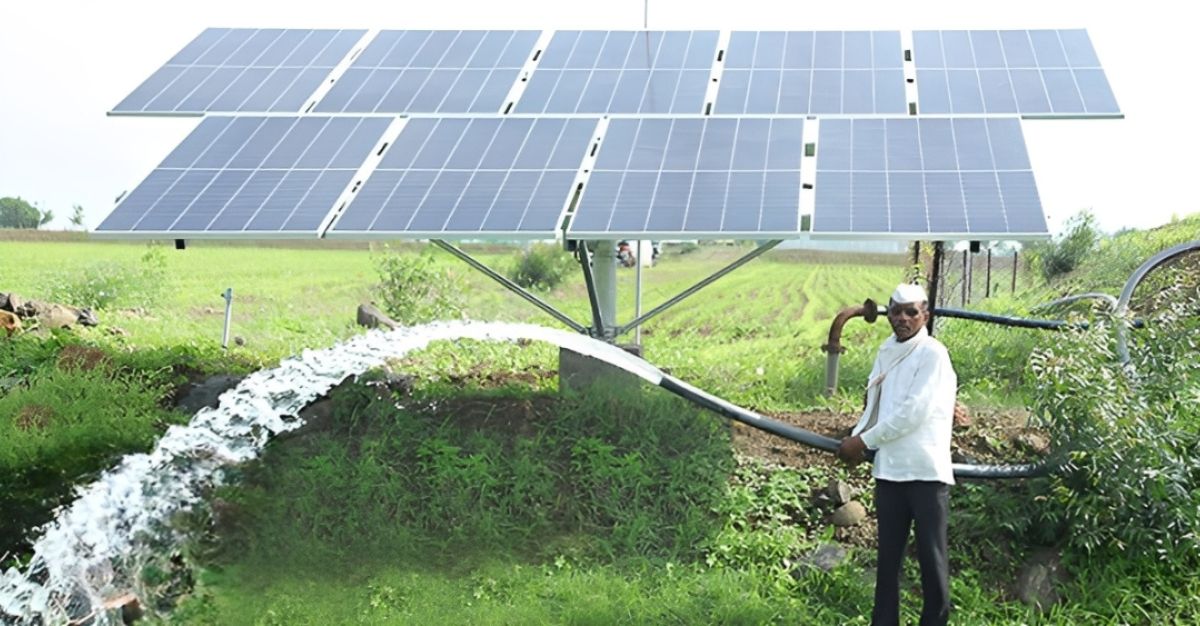
GK Energy Limited is a renewable energy-focused EPC company, primarily engaged in designing, engineering, procurement, and installation of solar-powered irrigation pump systems for farmers. Established with a vision to enable clean energy adoption in agriculture, the company has become one of the largest beneficiaries of the PM-KUSUM scheme. Under this programme, GK Energy has installed thousands of solar irrigation systems across states such as Maharashtra, Rajasthan, Madhya Pradesh, and Uttar Pradesh. Direct-to-beneficiary projects under PM-KUSUM contributed over 80 per cent of revenues in FY25, underscoring its dependence on government-led initiatives. The company’s offerings include turnkey EPC solutions, after-sales services, and maintenance contracts for solar-powered pumps. With a robust execution track record, expanding geographical footprint, and strong government backing for renewable energy adoption, GK Energy has positioned itself as a key player in the solar irrigation pump EPC market. Its focus on sustainability and energy transition aligns with India’s renewable energy goals.
Industry Outlook
The renewable energy sector in India is witnessing rapid growth, supported by ambitious government targets and favourable policies. Specifically, the solar water pump market has been expanding due to the PM-KUSUM scheme, which aims to replace millions of diesel and electric pumps with solar-powered alternatives. According to industry estimates, the solar pump market in India grew to nearly Rs 39,000 crore in FY24 and is projected to reach Rs 3 lakh–Rs 3.2 lakh crore by FY29, reflecting a CAGR of around 52 per cent. The government has set a target of installing 1.4 million solar pumps by 2026, creating a significant opportunity for EPC providers like GK Energy. Rising demand for clean energy in agriculture, cost savings for farmers, and the push towards reducing carbon emissions will continue to drive market adoption. However, the sector remains heavily policy-driven, making continuity and expansion of government programmes critical for sustained growth.
Financial Performance
Profit & Loss (Rs crore)
|
Particulars |
FY23 |
FY24 |
FY25 |
|
Revenue from Operations |
1,094.83 |
411.09 |
285.03 |
|
EBITDA |
199.69 |
53.83 |
17.18 |
|
EBITDA Margin ( per cent) |
18.24 per cent |
13.09 per cent |
6.03 per cent |
|
Net Profit |
133.21 |
36.09 |
10.08 |
|
Net Profit Margin ( per cent) |
12.12 per cent |
8.75 per cent |
3.53 per cent |
|
EPS (Rs ) |
7.86 |
2.14 |
0.66 |
Balance Sheet (Rs crore)
|
Particulars |
FY23 |
FY24 |
FY25 |
|
Total Assets |
583.62 |
214.08 |
142.82 |
|
Net Worth |
209.09 |
55.96 |
19.87 |
|
Total Borrowings |
217.79 |
62.29 |
42.61 |
Financial Analysis – Revenue vs Cash Flow
|
Particulars |
FY25 |
FY24 |
FY23 |
CAGR Growth |
|
Revenue |
1,094.83 |
411.09 |
285.03 |
56.61 per cent |
|
Receivables |
360.85 |
151.92 |
112.64 |
47.42 per cent |
|
CFO |
-98.6 |
-4.86 |
-14.94 |
NA |
|
Inventory |
59.94 |
19.76 |
11.91 |
71.37 per cent |
Peer Comparison (Indian Listed Peers)
|
Metric |
GK Energy (IPO) |
Shakti Pumps |
Oswal Pumps |
|
P/E (x) |
23.3 (At upper price band based on FY25 earnings) |
26 |
32.2 |
|
ROE ( per cent) |
21.9 |
42.6 |
87.5 |
|
ROCE ( per cent) |
15.7 |
55.3 |
77.9 |
|
ROA ( per cent) |
13.5 |
23.8 |
35.5 |
|
Debt/Equity |
1.12 |
0.14 |
0.72 |
SWOT Analysis
Strengths
• Strong positioning in the solar-powered agricultural pump EPC space.
• Beneficiary of PM-KUSUM with ~84 per cent of FY25 revenue tied to the scheme.
• Expanding profitability with improving EBITDA and PAT margins.
• Low leverage (Debt-to-Equity 0.10) provides financial stability.
Weaknesses
• Heavy dependence on one government programme (PM-KUSUM).
• High receivables (~92 per cent of sales in FY25) leading to weak operating cash flows.
• Limited diversification beyond solar pump EPC contracts.
Opportunities
• Huge addressable market: solar pump industry projected at Rs 3 lakh–Rs 3.2 lakh crore by FY29.
• Government targets of 1.4 million solar pump installations by 2026.
• Diversification into rooftop solar and non-KUSUM projects could broaden revenue streams.
• Rising demand for renewable energy in agriculture supports long-term growth.
Threats
• Policy risk: expiry of PM-KUSUM scheme in 2026 without extension.
• Competitive pressure from larger EPC players with integrated solar panel manufacturing.
• Delays in government payments could further stress liquidity.
• State-level political/economic risks affecting allocation of projects.
Outlook & Valuation
GK Energy operates in a high-growth niche of solar-powered irrigation pumps, with strong policy support under the PM-KUSUM scheme. The company has demonstrated robust revenue growth and improving profitability, supported by expanding margins. At the upper price band of Rs 153, the IPO is valued at 23.3x FY25 EPS, which appears fair compared to peers, given its niche positioning and moderate return ratios (ROE/ROCE).
However, the company’s heavy reliance on a single government programme and persistently weak operating cash flows due to high receivables raise sustainability concerns. While IPO proceeds will help ease working capital stress, execution risks remain high. Moreover, listed peers with stronger financial ratios and trading at more attractive valuations offer similar opportunities in the renewable/energy space. Considering all these factors, we recommend avoiding for now.