GST 2.0: India’s Biggest Tax Overhaul Since 2017!
DSIJ Intelligence-6 / 05 Sep 2025 / Categories: General, Knowledge, Trending
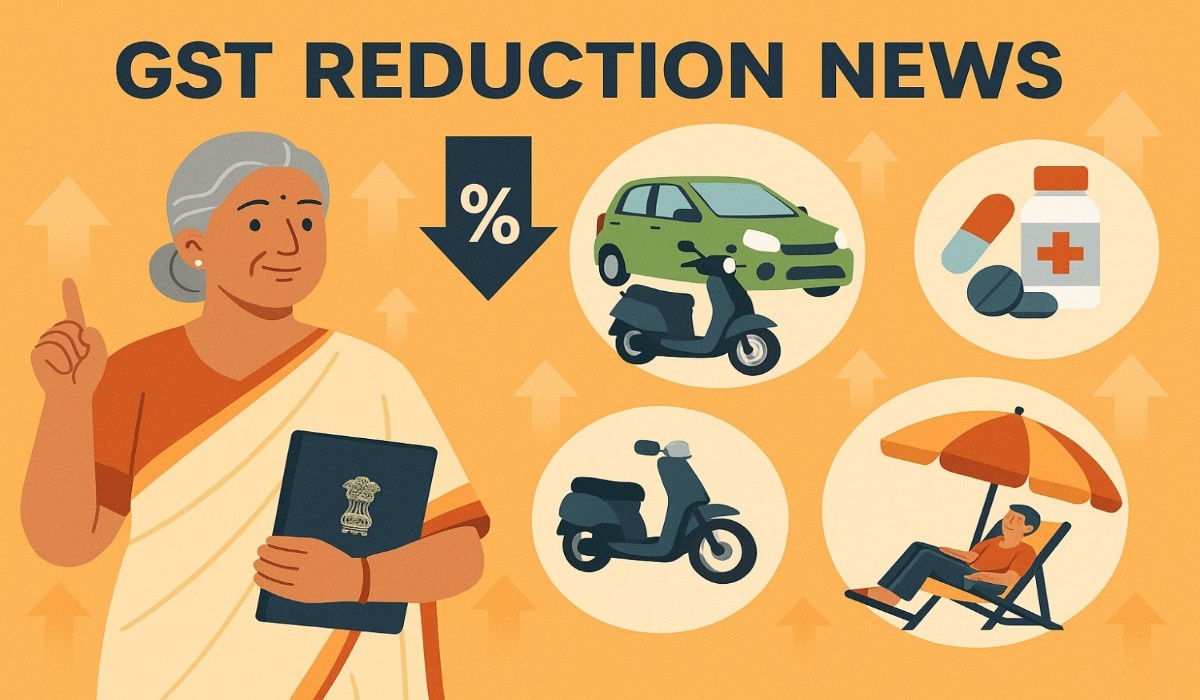
India’s four-tier GST system (5 per cent, 12 per cent, 18 per cent, 28 per cent) has been streamlined into a two-slab structure of 5 per cent and 18 per cent, with a special 40 per cent rate for luxury and sin goods such as tobacco, high-end vehicles, and aerated drinks.
The 56th GST Council meeting, held on September 3, 2025, has been hailed as a turning point in India’s indirect taxation history. Chaired by Finance Minister Nirmala Sitharaman, the council announced sweeping reforms effective September 22, 2025, with unanimous state approval. These changes simplify the GST structure, lower rates on essentials, reduce costs across industries, and introduce targeted hikes on luxury and sin goods.
Major GST Rate Overhaul
India’s four-tier GST system (5 per cent, 12 per cent, 18 per cent, 28 per cent) has been streamlined into a two-slab structure of 5 per cent and 18 per cent, with a special 40 per cent rate for luxury and sin goods such as tobacco, high-end vehicles, and aerated drinks. This “GST 2.0” marks the biggest restructuring since 2017, aiming to simplify compliance and ease the tax burden on consumers.
Essentials and Food Items Get Cheaper
Daily-use goods like shampoos, soaps, toothpaste, bicycles, and kitchenware now attract just 5 per cent GST instead of 12–18 per cent. Dairy products like butter, ghee, and cheese also see reductions.
Food essentials receive the biggest boost—UHT milk, paneer, and all Indian breads move to zero GST, while packaged snacks, noodles, chocolates, coffee, sauces, and cornflakes now fall under the 5 per cent slab. These measures make household spending significantly lighter for consumers.
Big Relief for Cars and Two-Wheelers
The automotive sector is among the biggest winners of GST 2.0. Previously, most vehicles attracted the highest slab of 28 per cent, making them costly for middle-class buyers. The new structure slashes GST to 18 per cent on popular vehicle categories, significantly reducing on-road prices.
- Two-Wheelers: Motorcycles and scooters up to 350cc, which dominate India’s commuter market, now attract 18 per cent GST instead of 28 per cent. This 10 per cent cut is expected to reduce prices for entry-level models, boosting both rural and urban demand. Premium motorcycles above 350cc, however, shift to the new 40 per cent slab, keeping luxury models distinct.
- Cars: Small passenger cars—petrol engines up to 1200cc and diesel up to 1500cc—now face 18 per cent GST. For compact hatchbacks and entry-level sedans, this will lower prices, improving affordability for first-time buyers. In contrast, luxury cars and SUVs move into the 40 per cent category, reinforcing their premium positioning.
- Commercial Vehicles: Buses, trucks, and ambulances also benefit, with GST cut from 28 per cent to 18 per cent, reducing logistics and healthcare costs while supporting fleet expansion.
Overall, analysts expect a 6–8 per cent drop in vehicle prices, which could revive auto sales, drive festive-season demand, and strengthen domestic manufacturers like Maruti Suzuki, Hero MotoCorp, Bajaj Auto, and Mahindra & Mahindra.
Healthcare and Insurance Relief
Healthcare receives a major push as life-saving drugs move to zero GST, while other medicines and medical devices are taxed at only 5 per cent.
Equally transformative is the complete GST exemption on life and health insurance premiums. From September 22, 2025, term insurance, ULIPs, endowment policies, and health policies are GST-free, making insurance more affordable and boosting penetration.
Services and Sectors Impacted
Services like hotel stays under Rs 7,500, economy class flights, gyms, salons, and yoga centres now face only 5 per cent GST, supporting tourism and wellness industries.
However, luxury and sin goods are costlier with a new 40 per cent rate on premium cars, motorcycles, sugary drinks, and tobacco. Coal, apparel above Rs 2,500, and paper products also move into higher GST brackets.
Conclusion
The 56th GST Council meeting has reshaped India’s taxation framework with reforms designed around affordability, simplicity, and growth. By easing the tax burden on essentials and critical sectors while targeting luxury consumption, GST 2.0 balances public welfare with fiscal prudence. This landmark reform is set to make compliance easier, boost economic activity, and strengthen consumer confidence in India’s growth story.