In conversation with Arvind Chandra, CEO, Tenneco India
Gyanesh / 02 Apr 2026 / Categories: Interviews, Trending
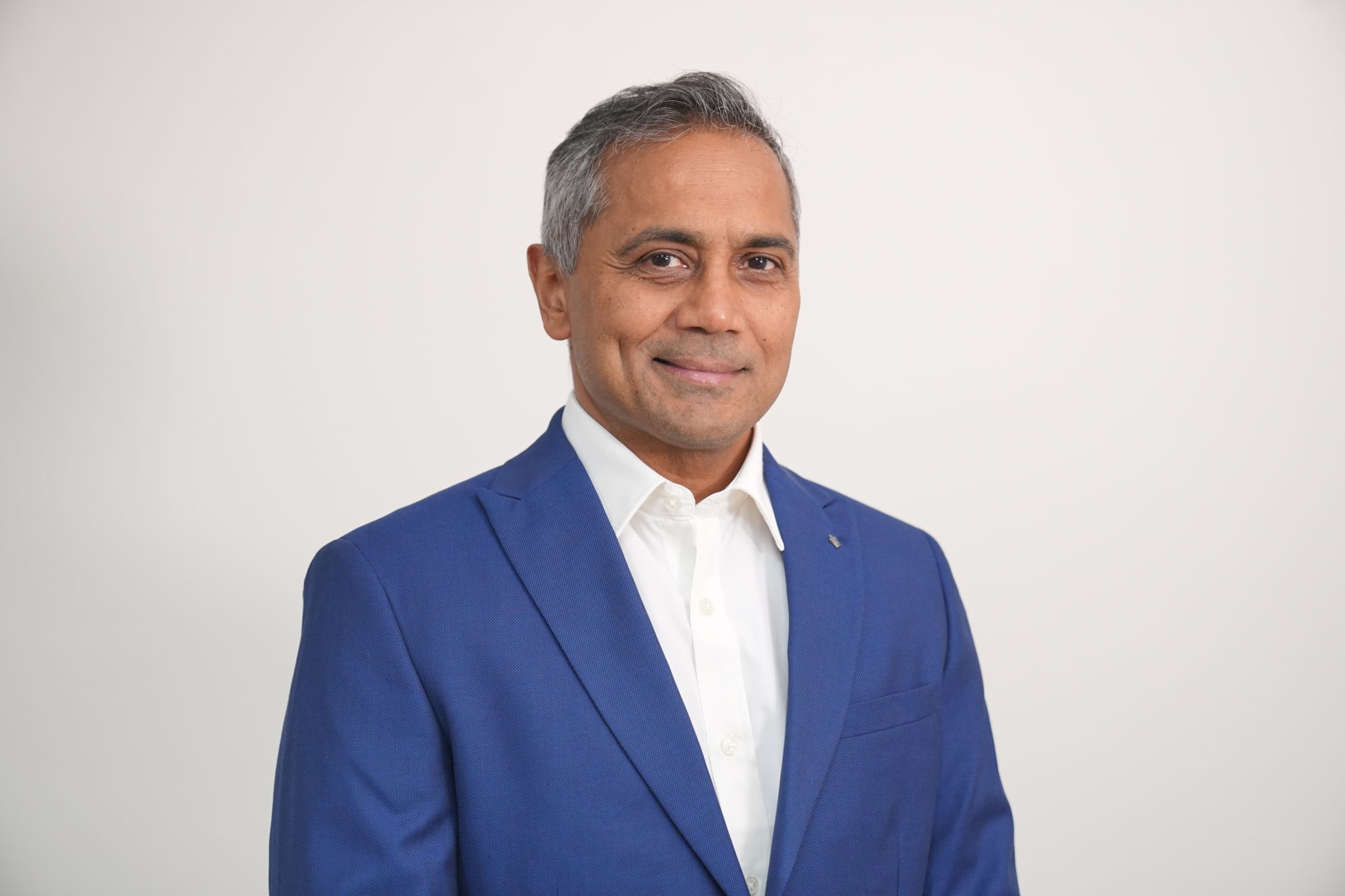
Scaling Advanced Ride Technologies Strengthens Tenneco India’s Growth Outlook
1. Tenneco’s value-added revenue grew 14.7 per cent YoY in Q3FY26, outperforming the broader auto component market. What structural advantages, whether product mix, customer relationships, or technology depth, are enabling this outperformance, and how sustainable is it through the current industry cycle?
Tenneco’s performance reflects the strength of its engineering-led portfolio and long-standing partnerships with OEM customers. Our presence across Clean Air, Powertrain, and Advanced Ride Technologies allows us to support multiple vehicle platforms and segments. This diversified product mix helps us stay closely aligned with customer needs as vehicle platforms evolve. Another contribution this quarter has been the strong growth in Advanced Ride Technologies, which increased 24.5 per cent YoY. This reflects rising demand for suspension and ride-control solutions, especially in SUVs where customers are placing higher focus on comfort and driving experience.
Innovation in practical, performance-driven technologies also supports this momentum. Developments such as the DaVinci DCx suspension system demonstrate how mechanical engineering can enhance ride comfort while remaining cost efficient for OEMs. Alongside this, the company continues to see strong traction from new programme awards across key platforms. With the current Order Book already covering 100 per cent of projected FY2028 revenue, we have clear visibility on future volumes as these programmes gradually ramp up production, supporting steady growth through the industry cycle.
2. Tenneco has secured Rs 9,840 crore in incremental lifetime bookings, offering multi-year revenue visibility. Given the inherently long gestation cycles of automotive programmes, how should investors think about the timing and conversion of this order pipeline into reported growth?
The conversion of orders into revenue follows a defined programme lifecycle. Revenue does not come immediately after an award. Programmes move through design, testing, and validation before entering production.
Our incremental lifetime bookings stand at Rs 9,840 crore, including Rs 1,760 crore from export programmes, across domestic and global markets. As vehicle platforms approach launch, production begins at a lower scale and revenues start to reflect. This is followed by a ramp-up phase as volumes increase. Once production stabilises, programmes contribute over their lifecycle. This phased conversion ensures that growth is steady and predictable, rather than sharp or one-time. It also gives us confidence in sustaining momentum over the coming years.
3. The DaVinci DCx suspension system has been adopted for a premium SUV platform and is positioned as a cost-effective alternative to electronic suspension technologies. Could such mechanical innovations materially increase Tenneco’s content per vehicle in the ride-control segment?
The DaVinci DCx suspension system has been adopted for a premium SUV platform and shows how mechanical design can improve ride quality without adding system complexity. It uses specially designed discs, or shim stacks, to control hydraulic flow and deliver consistent comfort across different speeds and road conditions. This allows OEMs to move beyond basic suspension setups and offer better ride experience without shifting to high-cost electronic systems. The solution is also suited for the mid-premium segment, where performance and cost both matter.
As OEMs look to improve ride quality across more variants, such solutions can be used beyond a single model or trim. This creates scope to increase the value of suspension systems per vehicle. It also supports wider adoption across platforms where cost control remains important. By offering a balance of performance and affordability, mechanical innovations like DaVinci DCx help OEMs differentiate their vehicles while keeping systems practical. This directly supports higher content per vehicle in the ride-control segment over time.
4. Advanced Ride Technologies reported 24.5 per cent YoY growth in Q3FY26, significantly outpacing the Clean Air business. Does this signal a structural shift in the company’s growth mix toward suspension and ride-control technologies?
Automakers are increasingly focused on providing smoother rides and better handling, especially in premium and mid-premium segments. Customers expect comfort without added complexity, which is driving demand for advanced suspension and ride-control solutions. Tenneco’s Advanced Ride Technologies business is reflecting this trend, with a 24.5 per cent YoY growth in Q3FY26. Systems like the DaVinci DCx suspension enhance comfort and stability, showing how mechanical solutions can meet rising expectations while keeping vehicles simple to maintain.
To meet these evolving needs, Tenneco continues to expand programme wins and support production-ready suspension systems. While the growth in Advanced Ride Technologies is strong, it complements rather than replaces Clean Air and Powertrain solutions. The portfolio remains balanced, with multiple segments supporting ongoing production, allowing Tenneco to scale ride-control technologies without losing focus on its broader business.
5. The company holds leadership positions in both Clean Air and Powertrain solutions and suspension technologies, while the industry itself is undergoing structural shifts toward electrification and hybridisation. How does Tenneco see its product portfolio evolving as powertrain architectures continue to diversify?
Tenneco’s portfolio is built to support a wide range of vehicle platforms through its presence across Clean Air, Powertrain, and Advanced Ride Technologies. This allows the company to participate across multiple vehicle segments and applications.
Recent programme wins across both Clean Air and suspension businesses reflect continued demand across these areas. These programmes span light vehicles, commercial vehicles, and off-highway segments, ensuring that the portfolio remains relevant across different use cases. On the Clean Air side, the company continues to support emission control requirements through aftertreatment solutions for commercial vehicle platforms. At the same time, suspension technologies are being deployed across new vehicle programmes, supporting performance and ride requirements.
Capacity expansion through the planned greenfield plant in Kharkhoda, Haryana will support these awarded programmes and improve proximity to key customers. By combining technology, scale, and customer focus, we are focusing on meeting the varied demands of the changing automotive landscape.
6. With OEMs increasingly focusing on ride quality, emissions compliance, and platform differentiation, the role of Tier-1 suppliers is becoming more technology-intensive. How is Tenneco strengthening its engineering and R&D capabilities to remain a preferred partner for OEMs as vehicle platforms grow more complex?
Tenneco’s engineering capability is built on long-standing experience in supporting OEM requirements across emission control and ride performance. The company has been part of earlier emission transitions, including supplying exhaust systems for commercial vehicle platforms in previous regulatory phases, working with global OEM programmes across domestic and export markets. From SCR technology for BS4 to advanced BS6/BS6.2 systems like LNT, SDPF, DPF, and gasoline particulate filters, we continue to innovate for current and future emission regulations, including e-heaters and hydrogen-compatible systems.
Today, this experience is reflected in our ability to support multiple requirements within a single platform through our presence across Clean Air, Powertrain, and Advanced Ride Technologies. Engineering and validation are aligned closely with customer programmes, enabling smooth execution from development to production. Our R&D and manufacturing footprint supports localisation as well as export programmes, allowing solutions to be adapted for different platform needs.