In conversation with Inderbir Singh Jolly, CEO, PL Wealth Management
Mandar Wagh / 17 Nov 2025 / Categories: MF Interviews, Mutual Fund, Trending
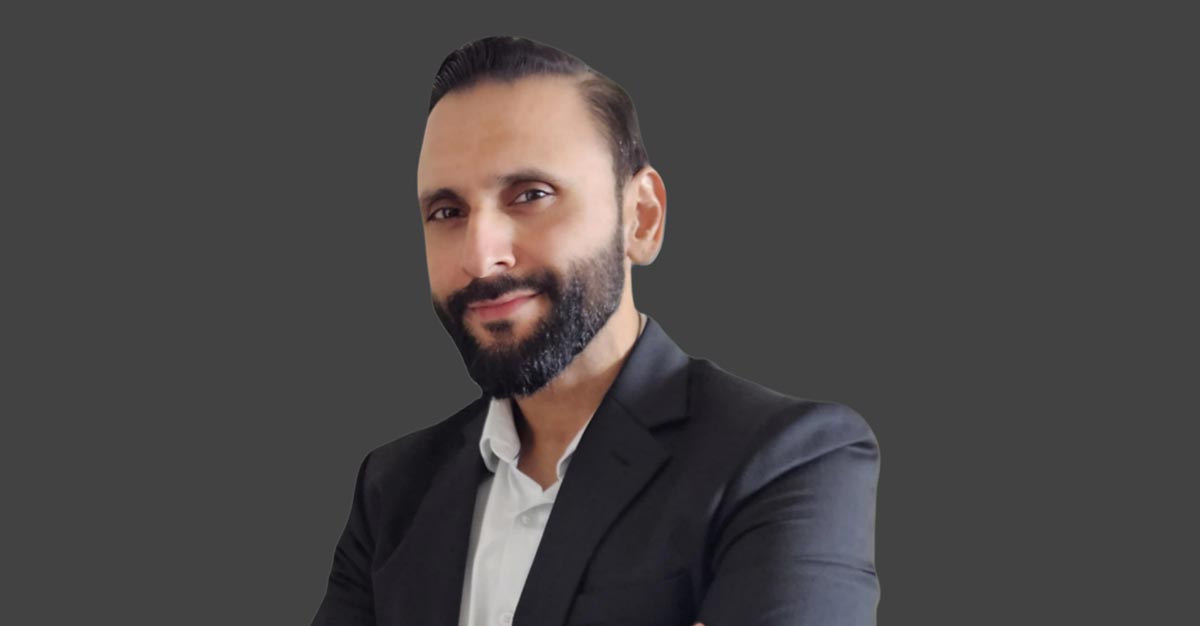
“India’s structural growth story continues to remain intact, which is why domestic equities have displayed exceptional resilience despite global turbulence,” shares Inderbir Singh Jolly, CEO, PL Wealth Management.
Despite global uncertainties, Indian equity markets have held up remarkably well. As global opportunities expand, how important do you think international diversification is for building long-term portfolio resilience?
India’s structural growth story continues to remain intact, which is why domestic equities have displayed exceptional resilience despite global turbulence. However, resilience should not be mistaken for immunity. We operate in an interconnected world where inflation cycles, interest-rate pivots, geopolitics, and currency movements can influence capital flows.
International diversification is therefore not a luxury, but a strategic necessity. Allocations to developed markets, select Asian consumer-tech ecosystems, and even thematic global ETFs help reduce concentration risk and add exposure to sectors not readily available on Indian exchanges, such as cutting-edge AI, biotech, renewables, and Semiconductor leadership.
From a long-term perspective, this enhances portfolio stability, optimises risk-adjusted returns, and provides a hedge against domestic cyclicality.
How do you view the rise of passive investing and ETFs in India’s wealth landscape?
Passive investing is finally entering its adoption curve in India. The rise of ETFs, Index Funds, and fund-of-fund structures is driven by three key realities: cost-efficiency, transparency, and consistent benchmark performance.
For many investors, particularly younger, digitally-native ones, passive instruments offer simplicity and extremely low expense ratios. At the same time, India’s markets are still alpha-rich, especially in midcap, Small-Cap, quant, and sector-specific strategies. The future is not ‘active vs. passive’ but ‘active + passive’. We see portfolios increasingly blending broad-based ETFs with high-conviction active strategies, supported by strong governance and data-driven selection.
In terms of asset allocation, what patterns are emerging among your clients? Has sentiment tilted toward risk-taking or capital preservation?
Client behaviour has evolved significantly post-pandemic. We see three themes emerging:
Core & Satellite Allocation: Ultra HNIs are combining high-growth opportunities (private credit, pre-IPO, specialised midcap PMS) with conservative anchors (short-duration debt, high-grade fixed-income).
Private Market Allocation: There is growing appetite for private credit, unlisted equity, and AIFs that offer both downside protection and superior yields.
Global Hesitation, but Selective Interest: While global macro remains uncertain, clients are open to dollar-based allocations via GIFT City routes, especially for long-term education, Real Estate, and dollar-cost-average global ETFs.
Overall, sentiment is balanced, not reckless risk-taking, but informed risk participation supported by structured allocation frameworks.
Do you see potential for AI-based advisory models to coexist with traditional human advisors?
Absolutely. AI will not replace advisors; it will amplify them. AI-based advisory tools excel at real-time data assimilation, risk profiling, behavioural analytics, and pattern recognition. They can enhance precision in rebalancing, Tax optimisation, and scenario modelling.
But high-net-worth wealth management is deeply trust-driven. Families seek judgement, discretion, empathy, and context, qualities that technology cannot replicate.
The future is a ‘hybrid advisory ecosystem’: AI for efficiency and personalisation, human advisors for wisdom, relationship management, and navigating complex financial and emotional decisions.
How do you approach succession planning and intergenerational wealth transfer for high-net-worth families?
Succession planning is as much about governance as it is about money. Our approach is structured around four pillars:
Clarity: Clearly defining objectives across generations, purpose of wealth, responsibilities, philanthropic intent, and investment philosophy.
Structures: Designing robust frameworks, trusts, holding companies, family constitutions, and tax-efficient cross-border strategies.
Education: Preparing the next generation through financial literacy, exposure to family businesses, and responsible ownership practices.
Continuity: Creating a multi-generational investment roadmap with transparent governance and aligned stakeholder communication.
The goal is to ensure wealth outlives both volatility and generational transitions.
How do you envision the wealth management landscape in India evolving over the next decade? What advice would you give to young investors starting their wealth creation journey today?
India is entering a decade of unprecedented wealth creation. Formalisation of the economy, digital infrastructure, rising affluence, and democratisation of financial products will transform the wealth ecosystem. We will see:
- A significant shift toward goal-based advisory instead of transaction-led relationships
- Increasing adoption of AI-driven insights, digital onboarding, and hyper-personalised investment models
- Stronger migration toward private markets and alternatives as investors seek differentiated returns
- A robust GIFT City ecosystem enabling global allocations efficiently
For young investors, my advice is simple:
Start early, stay disciplined, diversify intelligently, avoid noise, and allow compounding to do the heavy lifting. The long-term rewards of consistency outweigh the short-term thrills of speculation.