In conversation with Sorbh Gupta Head - Equity, Bajaj Finserv Asset Management Limited
Ratin / 30 Apr 2026 / Categories: DSIJ_Magazine_Web, DSIJMagazine_App, Interview, MF - Interviews, MF Interviews, Mutual Fund, Mutual Fund, Trending
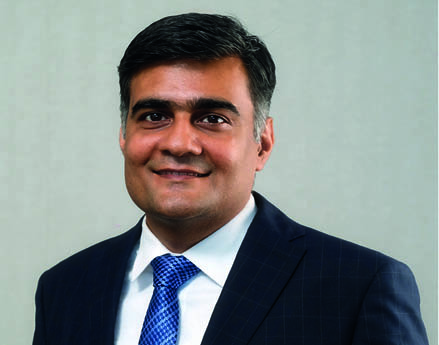
Stay disciplined, diversify sensibly, and keep quality at the centre of every allocation decision.
How are global factors like interest rates, geopolitical tensions, and currency volatility influencing your equity strategy?
Global factors are influencing near-term market behaviour, but they do not alter India’s long-term growth story. Elevated interest rate expectations in developed markets are redirecting global capital flows, while geopolitical tensions are fostering risk-off sentiment, and currency volatility is adding an extra layer of uncertainty. We continue to leverage our investment strategy, drawing on deep business research with quantitative discipline and considering investors’ behavioural biases during uncertain market phases.
We have always been selective in our portfolio Construction, prioritising companies with strong balance sheets, demonstrated pricing capability, and clear earnings visibility. We are also paying closer attention to businesses with significant global revenue exposure, as they carry a different risk profile in these market conditions. This disciplined approach allows us to manage short-term global disruptions while staying invested in businesses that are well-positioned to generate value over the long-term.
Domestic Mutual Funds have been absorbing heavy FII selling and even deployed large sums during recent corrections. Does this signal a structural shift in market ownership?
Yes, this does reflect a change in how Indian markets are being influenced. Steady growth in SIP inflows and wider retail participation have made domestic mutual funds an important stabilising factor. Having said that, FIIs remain important for India, as they account for 13 per cent of the Indian equities markets despite sustained domestic inflows for over a year and a half. Any positive inflows from FIIs would add further to the positive sentiments of the overall markets.
Is the market transitioning from a broad-based rally to a more stock-specific phase? How should investors adapt?
As markets navigate a phase of transition amid heightened global uncertainty, overall market direction may go sideways over the medium-term. However, such an environment strongly favours stock-specific opportunities, where companies with resilient balance sheets, pricing power, and stable earnings can deliver meaningful returns despite global headwinds. When index returns are weak, bottom-up stock selection tends to be far more effective than broad top-down positioning. Rather than chasing short-term momentum, investors should focus on businesses that can absorb higher costs, protect margins, and generate steady cash flows over time, as disciplined stock picking becomes more important than attempting to time the market.
With increasing interest in international funds after strong performances in select global markets, how should Indian investors approach global diversification?
Global diversification should be seen as a long-term strategy, not something done just because some overseas markets have performed well recently. For Indian investors, adding some international exposure makes sense. It helps reduce overdependence on Indian markets, offers protection if the Rupee weakens over time, and gives access to global opportunities, especially in areas like technology and healthcare that are limited in India. However, the allocation should match the investor’s risk tolerance, investment capacity, and comfort with currency and regulatory differences. A measured allocation to global or regional funds plays a role in balancing and stabilising the portfolio, rather than as a tool to chase higher returns.
If you had to give one portfolio strategy for FY27 to retail investors, what would it be?
Stay disciplined, diversify sensibly, and keep quality at the centre of every allocation decision. Investors should avoid pausing SIPs driven by short-term anxiety and instead remain focused on their long-term financial objectives.
Although near-term market challenges are inevitable, India’s growth story remains intact, supported by steady investment activity and strong domestic savings. Building portfolios with a long-term perspective, aligned to individual goals, remains the most effective approach through periods of volatility.