India's Bond Market: The Rs 240 Lakh Crore Opportunity Most Investors Have Never Touched
DSIJ Intelligence / 31 Mar 2026 / Categories: Knowledge, Trending
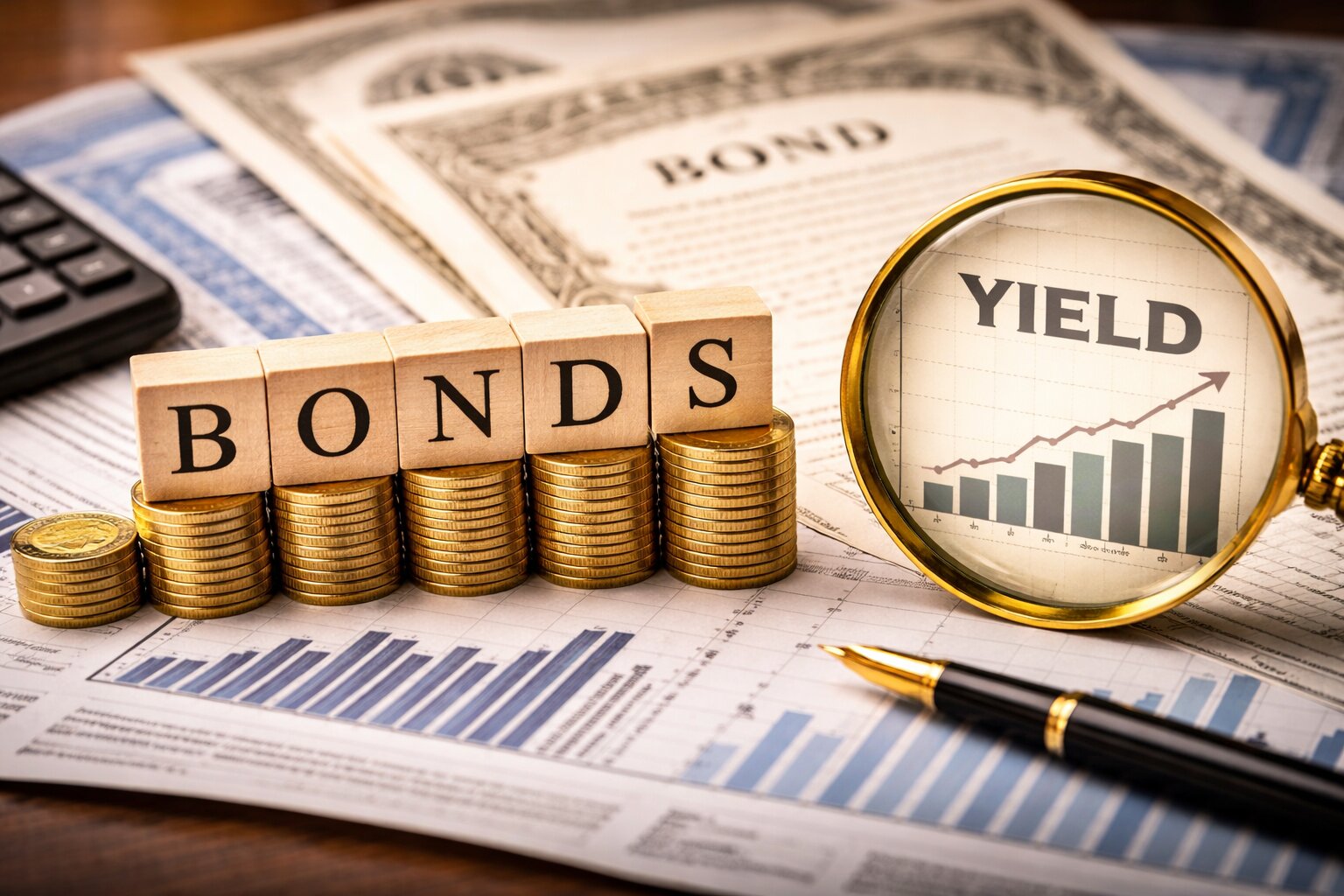
Bigger than most realise, less understood than equities and increasingly accessible here is what every Indian investor needs to know about bonds
India's bond market is valued at approximately USD 2.81 trillion (Rs 235-240 lakh crore) as of December 2024. That is larger than the GDP of most countries and yet most retail investors in India have never bought a single bond. Meanwhile, the equity market at USD 4.65 trillion commands daily headlines, enormous retail participation and emotional decision making at scale.
The irony is that bonds are structurally simpler than equities. A bond is a loan you give to someone the government, a Bank or a company. In return, the borrower pays you interest at regular intervals and returns your principal on a fixed date. No business cycles to model, no management to judge, no competitive moats to assess. Just a contract.
The reason bonds remain underpenetrated in India is partly language, partly liquidity and partly habit. But that is changing. RBI Retail Direct, SEBI registered online bond platforms and demat based access have opened the market to individual investors in ways that did not exist five years ago.
Three Terms That Unlock the Entire Market
Before looking at the types of bonds, three concepts matter above everything else. Maturity is the date the borrower returns your principal. Coupon is the interest rate written on the bond. Yield specifically yield to maturity is your actual effective return if you buy the bond at its current market price and hold it until it matures.
The relationship between yield and price is the most important concept in bond investing. When interest rates in the economy rise, existing bond prices fall. When rates fall, prices rise. If you buy a bond and hold it to maturity, price movements are irrelevant you receive exactly the yield you locked in. If you sell before maturity, you are exposed to wherever rates have moved. This single concept explains most of the risk in bond investing.
One more thing: fixed income does not mean guaranteed income. Bonds carry credit risk the borrower may not repay. They carry interest rate risk prices move with rates. The higher the yield a bond offers relative to alternatives, the more risk is sitting behind it.
Government Securities: The Safest Starting Point
Government bonds, or G-Secs, account for 78 per cent of India's bond market at USD 2.08 trillion. They carry near zero credit risk because the borrower is the Government of India. Dated G-Secs pay a fixed coupon every six months for tenures ranging from 5 to 40 years. Treasury Bills are short-term instruments of 91, 182 or 364 days where you buy at a discount and receive face value at maturity no coupon, just the difference as your return.
State Development Loans are bonds issued directly by state governments — Maharashtra, Karnataka, Tamil Nadu and others. They carry a yield premium of 10 to 50 basis points over comparable central G-Secs, essentially compensation for lower liquidity. State governments in India have historically not defaulted. For patient, hold to maturity investors, SDLs offer better risk adjusted returns than their modest yield premium suggests.
Floating Rate Bonds solve the problem of being locked into a fixed rate when rates rise. Their coupons reset every six months. The RBI Floating Rate Savings Bond currently offers around 8.05 per cent but comes with a strict 7-year lock-in with limited exit options.
Corporate Bonds: Better Yields, More Homework Required
Corporate bonds are issued by companies, PSUs, banks and NBFCs. Corporate bonds outstanding in India stand at approximately Rs 55 to 56 lakh crore. Non-Convertible Debentures are the most common form you lend to a company, earn interest and receive principal at maturity. PSU and bank bonds from entities like NTPC, PFC, REC, SBI and HDFC Bank carry AAA or AA+ ratings and sit between G-Secs and true corporate bonds on the risk spectrum slightly better yields with only marginally more risk.
The critical filters for any corporate bond are the credit rating, secured versus unsecured status and whether it is listed. Secured bonds are backed by specific assets. If the issuer defaults, those assets can be liquidated. Unsecured bonds rely entirely on the issuer's ability to repay and carry no asset backing. Listed bonds comply with SEBI disclosure requirements and offer better transparency and secondary market options than unlisted ones. Retail investors should strongly prefer listed bonds.
Higher yield always means higher risk in the bond market. A bond offering 13 per cent when comparable instruments yield 8 per cent is offering that premium for a reason. Understanding why requires reading the credit rating, examining the issuer's financials and checking the rating outlook whether it is stable, positive or on watch for downgrade.
Specialty Bonds Worth Knowing
Section 54EC Capital Gains Bonds offer a specific, valuable use case. If you sell a property and realise a long-term capital gain, investing that gain in 54EC bonds issued by REC, PFC, IRFC or HUDCO within six months eliminates the capital gains Tax liability on the invested amount. These bonds are AAA-rated, pay 5.25 per cent annually and lock your money for five years. The interest earned is taxable at your slab rate but avoiding 20 plus per cent capital gains tax usually makes the math work decisively in your favour. The six-month deadline is absolute missing it forfeits the exemption entirely.
Municipal bonds issued by city corporations remain a nascent market in India at approximately Rs 5,000 crore total issuance. Budget 2026-27 included incentives to develop this segment but for now it remains illiquid and suitable only for investors who understand the specific issuing body's credit profile and are comfortable holding to maturity.
Structured Debt Instruments — bonds backed by pools of home loans, vehicle loans or credit card receivables should be avoided by retail investors entirely. The underlying risk is buried in thousands of individual loans that are impossible for most individuals to evaluate. Defaults have occurred. The structures are opaque.
The Context Retail Investors Often Miss
India's bond market at USD 2.81 trillion is meaningfully smaller than its equity market at USD 4.65 trillion. In developed markets, bonds typically exceed equities by 1.2 to 2 times. India's ratio of roughly 0.65 times reflects an underdeveloped corporate bond market and historically limited retail access. That gap is closing but slowly.
The practical entry points for retail investors today are RBI Retail Direct for government bonds, SEBI-registered online bond platforms and debt Mutual Funds for those who prefer professional management over direct selection.
One tax reality that changes the calculation significantly: interest from bonds is taxed at your income slab rate. An 8 per cent bond delivers roughly 5.6 per cent post-tax for investors in the highest bracket. Always calculate post-tax yield before comparing bonds to other instruments.
Bonds will not generate the excitement of a multi-bagger equity. But for investors who want predictable returns, capital preservation and a diversified portfolio that does not move in lockstep with stock market sentiment, India's bond market offers a wide and underutilised opportunity.
Disclaimer: This article is for informational purposes only and not investment advice.