Investment Avenue: Is It Worth Considering The ESG Theme?
Ninad Ramdasi / 21 Sep 2023 / Categories: DSIJ_Magazine_Web, DSIJMagazine_App, MF - Special Report, Mutual Fund, Special Report
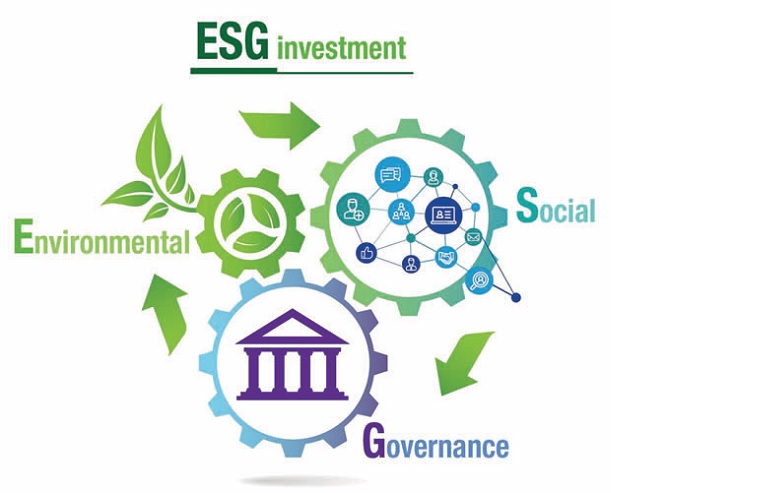
In a global landscape dominated by critical issues like climate change, social inequalities, the transition to green energy and the focus on corporate governance, the environmental, social and governance (ESG) theme has emerged as a central element in investment decision-making.
In a global landscape dominated by critical issues like climate change, social inequalities, the transition to green energy and the focus on corporate governance, the environmental, social and governance (ESG) theme has emerged as a central element in investment decision-making. However, given the relatively modest activity in terms of fund launches and the returns generated, the question that arises is are ESG funds a worthwhile consideration? Vardan Pandhare delves deep into this topic[EasyDNNnews:PaidContentStart]
.
In today’s era of principled investing, investors actively seek out companies rooted in sustainability. They desire to comprehend the various facets contributing to the resilience and ongoing success of the businesses they support. There is a growing demand for enterprises capable of weathering the most severe crises, while consistently integrating environmental, social and governance (ESG) principles into their daily operations. In this special report, we will delve into ESG investing, providing an in-depth exploration of this modern investment approach.
What is ESG Investing?
ESG investing, also known as sustainable investing, is investing in companies that prioritise ethical practices alongside profitability. ESG investors refrain from investing in stocks of companies that fail to meet specific environmental, social or corporate governance standards. For example, companies known for heavy pollution or subpar labour practices are typically avoided. ESG investing has gained momentum worldwide as many investment funds have adopted this model in recent years.
Understanding ESG Scores
The ESG score serves as a metric to gauge a company’s commitment to environmental and social sustainability. This score ranges from 0 to 100 and evaluates performance based on three core factors: environment, society and governance. A high ESG score reflects commendable performance in these three areas, while a low score suggests inadequate action, potentially leading to losses due to regulatory penalties, environmental crises, and more.
The Global Evolution of ESG Investing
ESG investing traces its origins back to the 1960s when it was initially referred to as socially responsible investing. It began with investors avoiding investments in stocks or industries associated with activities such as tobacco production or the South African apartheid regime. While ESG investing is a relatively new concept for Indian investors, there are nearly 3,000 ESG schemes available for global investment. Over the past few years, several sustainability challenges have emerged, including flood risks, rising sea levels, privacy concerns, data security issues, demographic shifts and regulatory changes.
These challenges have introduced new risk factors for investors. As companies grapple with increasing complexities on a global scale, investors have re-evaluated traditional investment approaches, giving rise to ESG investing. Companies worldwide have been concentrating on enhancing their ESG disclosures for several years, leading to the emergence of numerous third-party ESG data and rating providers.
ESG Market Size in 2023?
The global ESG (environmental, social, and governance) and sustainability advisory market is poised to reach a valuation of USD 39.3 billion in 2023, according to a report by Fact.MR. The market is estimated to grow at a CAGR of 6.3 per cent and jump to USD 72.4 billion by the end of 2033. The growth of the ESG market globally is being driven by several factors, including:
■ Increasing Demand from Investors - Investors are increasingly looking to invest in companies that are committed to ESG principles. This is due to several factors, including the desire to avoid negative ESG risks,the belief that ESG-focused companies are better long-term investments and the pressure from shareholders and other stakeholders.
■ Regulatory Requirements - Governments around the world are increasingly imposing ESG disclosure requirements on companies. This is leading companies to seek out ESG advisory services to help them comply with these requirements and to develop and implement ESG strategies.
■ Growing Awareness of ESG Issues - Investors and businesses are becoming more aware of the environmental, social, and governance impacts of their activities. This is leading to increased demand for ESG-friendly investment products and services.

The recent initiative by the Securities and Exchange Board of India (SEBI) to broaden the scope of ESG funds through the introduction of six sub-categories comes at a time when existing schemes have been delivering promising returns. Currently, there are just three ESG funds that have completed a three-year track record, exhibiting compound annual growth rate (CAGR) ranging from 17 per cent to 23 per cent. According to data from Value Research, there are only 10 ESG schemes available in the market. With these new regulations, fund management firms will have the opportunity to expand their ESG fund offerings, potentially introducing more than one ESG fund.
As of now, the total assets under management (AUM) for ESG funds amount to around ₹10,674 crore, a fraction compared to the industry’s total AUM of ₹40.44 lakh crore. SBI Mutual Fund accounts for nearly half of the AUM in ESG funds, with an AUM close to ₹5,000 crore. Fund houses have embraced the new regulations, viewing them as a source of much-needed clarity and transparency. These changes are expected to benefit investors who increasingly recognise the importance of aligning their investments with ethical and principled considerations.
Among the existing ESG funds, only three – SBI Magnum Equity ESG Fund, Axis ESG Equity Fund and Quantum India Equity ESG Fund – have been operational for more than a year.
Who Should Invest in ESG Mutual Funds?
Consider investing in ESG funds if you aspire to make a positive social, ethical and environmental impact through your investments. ESG schemes go beyond financial gains, emphasising sustainability. Analyse the portfolio’s sustainability aspect in addition to financial performance. ESG funds fall into the equity mutual fund category, necessitating a long-term investment horizon. These thematic funds exhibit short-term volatility despite investing in high-quality ESG-compliant stocks, making them suitable for risk-tolerant investors. Moreover, it’s advisable to limit exposure to ESG funds to no more than 10 per cent of your portfolio due to their thematic nature.
Over three years, Axis ESG Equity Fund has delivered a 17.19 per cent annualised return while SBI Magnum Equity ESG Fund has exceeded the 20 per cent mark on a CAGR basis. Quantum India Equity ESG Fund has achieved CAGR returns of 21.77 per cent over three years, although it operates with a relatively smaller AUM of just ₹68.7 crore.
Nevertheless, some stakeholders approach the ESG theme with caution, refraining from excessive optimism. The existing norms permit only one ESG fund under the ‘thematic’ category. Responding to industry input, SEBI has acknowledged the need for increased scheme disclosures to support informed investment decisions and to prevent ‘greenwashing’.
The six newly introduced sub-categories encompass exclusion, integration, best-in-class and positive screening, impact investing, sustainable objectives, and transition or transition-related investments. SEBI has mandated that asset management companies ensure that at least 80 per cent of the total assets under management in ESG schemes are invested in equity or equity-related instruments aligned with a particular strategy, with the remaining portion not conflicting with that strategy.

Factors to Consider Before Investing in ESG Theme
1. Historical Performance and Sustainability - While historical performance does not guarantee future returns, analysing an ESG fund’s past performance relative to benchmarks and peers can provide insights. Additionally, sustainability is a vital factor for ESG funds, which prioritise companies aligned with ESG norms.
2. Investment Objective - ESG investing prioritises sustainability, ethical considerations and social responsibility. ESG funds select companies based on environmental, social and governance criteria before assessing financial metrics. This aligns with the evolving investor mindset focused on the societal and ethical impact of investments.
3. Investment Horizon - ESG mutual funds, being equity schemes, require a long-term investment horizon to realise significant returns. Short-term volatility is common, making them suitable for investors with a long-term commitment to the theme.
4. Suitability - ESG mutual funds suit investors with an appetite for aggressive investing in sustainable, ethical and environmentally responsible businesses. They offer diversification to portfolios but require a long-term commitment. Evaluate the alignment of the theme and fund options with your portfolio, goals and investment horizon.
5. Asset Allocation - Diversification remains a key investment goal. While ESG funds often focus on specific themes, such as Large-Cap companies compliant with ESG norms, look for funds with well-diversified asset allocation to mitigate market volatility.
Benefits of Investing in ESG Mutual Funds
1. Promising Potential - The ESG theme is globally recognised and is steadily gaining prominence in India. Consequently, it holds the potential to deliver favourable returns over the long term.
2. Long-Term Capital Appreciation - ESG funds meticulously select companies with strong growth potential that also adhere to ESG criteria. These funds invest in financially robust companies with sound governance practices and viable business strategies. This approach offers the prospect of substantial returns while making a positive long-term societal impact.
3. Risk Management - ESG funds allocate capital to companies that align with ESG standards, reducing the risk of business failures. As a result, ESG funds prioritise risk mitigation by focusing on high-quality stocks that score well on ESG metrics.
4. Seizing Opportunities - ESG funds are positioned to capitalise on emerging economic opportunities driven by contemporary consumer preferences.
5. Professional Management - Identifying and investing in ESG-focused stocks can be a complex task for individual investors. ESG mutual funds offer a valuable alternative as fund managers specialise in selecting ESG-compliant stocks, allowing investors to leverage their expertise.

The Indian mutual fund industry seems to relish the buoyant mood created by domestic equities with Nifty 50 hitting a historical milestone of the 20,000 mark. In terms of inflow, the equity mutual funds inflows swelled to ₹20,245 crore in August, according to the latest Association of Mutual Funds in India (AMFI) data. Participants poured in a record ₹15,813 crore in August via systematic investment plans (SIP) last month. However, ESG-based mutual fund schemes have seen net outflows worth nearly ₹1,060 crore this year. The mutual fund industry’s overall AUM increased to ₹46.93 lakh crore in August. The overall AUM for retail investors’ bets on equity schemes stood at ₹24.38 lakh crore portfolios as of last month.
Conclusion
In the contemporary landscape, the principles of environmental, social and governance apply universally to all enterprises. Though in a nascent stage in India, companies are progressively recognising the value ESG brings, driven by a growing demand from investors, shareholders, employees and regulatory bodies for heightened transparency within the corporate ecosystem. Against this backdrop, ESG investing is poised to assume an even more pivotal role, reshaping business practices in India and globally. This modification promises to benefit not only the business community but also society at large.
[EasyDNNnews:PaidContentEnd] [EasyDNNnews:UnPaidContentStart]
To read the entire article, you must be a DSIJ magazine subscriber.
Current print subscribers click here to login
Subscribe now to get DSIJ All Access
[EasyDNNnews:UnPaidContentEnd]