Metals and Mining: Poised For A Steely Performance
Ninad Ramdasi / 07 Mar 2024 / Categories: DSIJ_Magazine_Web, DSIJMagazine_App, Special Report, Special Report, Stories
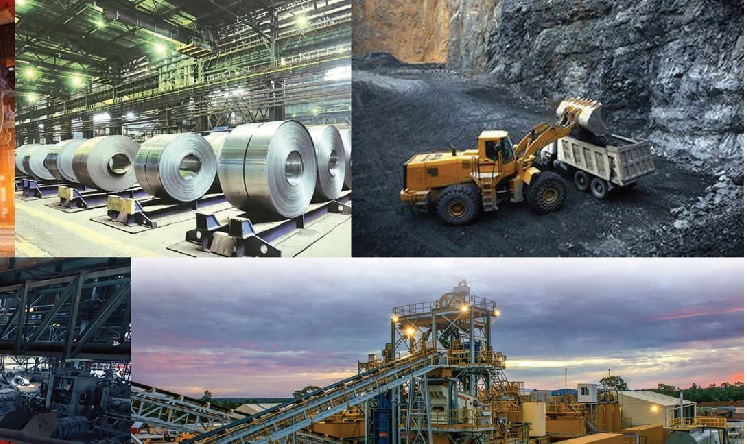
Fluctuations in global commodity prices, particularly in metals such as steel, aluminium and copper, can impact the profitability of mining operations and industries reliant on commodities.
While investors were drawn to the impressive rally in metal stocks, the recent interim budget indirectly bolstered the metals industry with substantial announcements in infrastructure, real estate, defence and railway sectors, which are known for their extensive use of metals. Mandar Wagh explores the future prospects of the industry, analysing financial performance, risks and growth triggers. [EasyDNNnews:PaidContentStart]
In the past year, the Indian benchmark indices, BSE Sensex and Nifty 50, have demonstrated impressive resilience, registering gains of around 25 per cent each. This resurgence has reinstated investor confidence, which had previously waned. The notable upswing can be attributed to strong rallies across various sectors, with metal stocks emerging as prominent frontrunners. Investors were attracted to robust uptrends in metal stocks, driven by growing optimism surrounding the industry.
Acknowledging the production and consumption of steel and other metals as indicators of economic progress and industrial development, the government is prioritising infrastructural development. The government has also recognised the metal industry’s potential to significantly impact GDP growth. The synergy between infrastructural development and metals has become increasingly evident in recent times.
As infrastructure projects continue to expand, there is a corresponding surge in demand for metals such as steel, copper and aluminium. These materials serve as essential components in construction, transportation and utilities, thus driving growth in the metals industry. Let’s explore the future prospects of the metals’ industry by examining insights into the financial performance of industry leaders, government initiatives, growth drivers, and risk factors.
Performance of Industry Leaders
The December quarter, Q3FY24, has emerged as a promising financial period for Indian companies, with approximately 60 per cent of them reporting positive profit growth thus far. Assessing the financial performance of leading metals and mining companies in relation to market capitalisation, there was a marginal increase in year-on-year aggregate revenue growth. Experts attributed the dismal revenue performance to the complexities of the global operating environment, citing economic deceleration in China and geopolitical tensions as factors weighing on commodity prices overall.
This quarter, China’s steel exports have surged to levels not seen since 2015, ranging from 7 to 8 million tonnes per month, thereby adversely affecting the demand for domestic players and steel prices alike. Contrary to the prevailing trend, Lloyds Metals and Energy Ltd., NMDC Ltd. and Shyam Metalics and Energy Ltd. have attracted investor attention with notable double-digit revenue growth. Despite exhibiting lacklustre revenue performance, these companies were able to achieve commendable profits.
Investments in technology, automation and streamlining production processes could have enhanced the efficiency and productivity of the companies. Regarding operating profits, all the companies under consideration reported robust doubledigit growth, except for marginal losses faced by Hindustan Zinc Ltd. and Hindustan Copper Ltd. Year-on-year aggregate operating profit and net profit growth stood at 28 per cent and 61 per cent, respectively. In terms of year-over-year net profit growth, the highest gains were observed by Jai Balaji Industries Ltd., JSW Steel and Jindal Steel and Power Ltd.
Sector Resilience and Returns
Despite encountering challenges in gaining momentum in 2024 thus far, the BSE Metal index, a sectoral index for the metals and mining industry, has soared around 42 per cent over the past year. Investor confidence was evident, with increased buying interest observed in the shares of industry leaders, as well as the emergence of several multibagger metals stocks for bullish investors in the market. Jindal Stainless Ltd., NMDC Ltd. and Coal India Ltd. provided multibagger returns to investors over the past year, while all the other companies reported significant double-digit gains except Vedanta Ltd.

China’s Stimulus: A Double-Edged Sword for India’s Metals Industry
China’s stimulus measures often have a significant impact on global commodity markets, including the metals industry. As the world’s largest consumer of metals such as steel, aluminium and copper, any stimulus initiatives in China can lead to increased demand for these commodities, thereby influencing prices and market dynamics globally. For India’s metals industry, China’s stimulus can present both opportunities and challenges. On the one hand, increased demand from China could boost exports of metals and minerals from India, benefiting domestic producers.
On the other hand, if China’s stimulus is focused on domestic production and reduces its reliance on imports, it could potentially create oversupply in the global markets, leading to downward pressure on prices. Additionally, fluctuations in global commodity prices driven by China’s stimulus can impact the profitability of Indian metal producers, as their revenues are often tied to international prices. Therefore, while China’s stimulus measures can create opportunities for India’s metals industry, it also underscores the need for resilience and adaptability to navigate the complexities of the global market.


Outlook
1) Coal — India heavily relies on coal for electricity generation due to its abundance and affordability. Despite efforts to diversify energy sources like solar and wind power, coal remains crucial due to the growing energy demands. India’s status as the third-largest energy consumer underscores the ongoing demand for coal to meet power needs. In December 2023, coal production reached 92.87 million tonnes, marking a growth of 10.75 per cent compared to the 83.86 million tonnes produced in December 2022. Cumulatively, coal production up to December 2023 has surged by 12.47 per cent compared to the previous year.
With the aim of bolstering coal availability, the Ministry of Coal has initiated the auctioning of 103 coal / lignite blocks as part of the seventh round of auctions. A total of 92 coal mines were successfully auctioned under commercial auctions. The government has introduced two policies regarding coal gasification and intends to offer financial assistance and tax incentives for relevant projects. The Ministry of Coal has set a target to gasify 100 million tonnes of coal by fiscal year 2030, aligning with its energy transition objectives.
2) Iron and Steel — Steel has long been a cornerstone in the metals industry, serving as a crucial raw material and intermediate product that reflects economic progress and industrial development. India stands as the world’s secondlargest producer of crude steel and the fourth-largest producer of iron. With substantial growth potential, the steel industry is on track to achieve the target of producing 300 million tonnes annually by 2030. By achieving self-reliance in the production of specialty steel, India will ascend the steel value chain and align itself with advanced steel-making nations.
The government remains committed to prioritising infrastructure development going forward. In the interim budget for 2024, there was a proposal to increase capital expenditure for the fourth consecutive year by 11.1 per cent, totalling `11.11 lakh crore. The finance minister highlighted the ongoing execution of the PM Awas Yojana Rural, nearing the goal of 3 crore houses. An additional 2 crore houses will be built in the next five years to accommodate the growing number of families.
Additionally, plans entail converting 40,000 rail bogies to Vande Bharat standards. The number of airports is set to double, reaching a total of 149. Indian carriers have also committed to procuring 1,000 new aircraft, bolstering confidence in the aviation sector. These optimistic announcements regarding infrastructure, real estate, defence and railways are expected to stimulate optimism within the metals industry, given the significant demand for iron, steel and other metals in these enduser industries.
3) Minerals — India’s mineral development plays a vital role in its economic growth and industrialisation. India maintains a high degree of self-sufficiency in metallic minerals such as bauxite, chromite, iron ore and lignite, alongside mineral fuels like coal and lignite. With abundant reserves of various minerals, the country has a significant presence in the global minerals market. The mining sector in India contributes to various industries such as steel, cement and power generation, driving economic activities and creating employment opportunities.
There exists considerable potential for new mining operations in the iron ore, bauxite and coal sectors, along with significant opportunities for discovering subsurface deposits in the future. According to data from the Ministry of Statistics and Programme Implementation, India’s mining GDP surged from `647.73 billion in the second quarter of FY23 to `712.29 billion in the second quarter of FY24. The government has been implementing policies to promote responsible and sustainable mining practices while also encouraging investment in exploration and development of new mineral resources. Despite facing challenges related to environmental concerns and land acquisition, India’s minerals development sector continues to be a key driver of its economy.
Navigating Challenges Ahead
Fluctuations in global commodity prices, particularly in metals such as steel, aluminium and copper, can impact the profitability of mining operations and industries reliant on commodities. Additionally, heightened competition from imported minerals and metals, often available at lower prices, poses a threat to the market share of Indian producers. Rapid technological advancements, including automation and digitalisation, may necessitate substantial investments to remain competitive and could result in workforce displacements.
Compliance with stringent environmental regulations may lead to increased operational costs and potential disruptions due to environmental compliance issues. In fact, environment-related issues are becoming more stringent by the day in an effort to make the world more sustainable and prevent further deterioration. Effectively managing these risk factors necessitates proactive measures, including thorough risk assessment, adherence to regulations, investment in technology and infrastructure, and fostering good relationships with stakeholders.
[EasyDNNnews:PaidContentEnd] [EasyDNNnews:UnPaidContentStart]
To read the entire article, you must be a DSIJ magazine subscriber.
Current print subscribers click here to login
Subscribe NOW to get DSIJ All Access!
[EasyDNNnews:UnPaidContentEnd]