SBI Q2 Profit Rises as Lower Provisions Offset Softer Core Operating Profit
Karan / 03 Nov 2026 / Categories: Mindshare, Trending
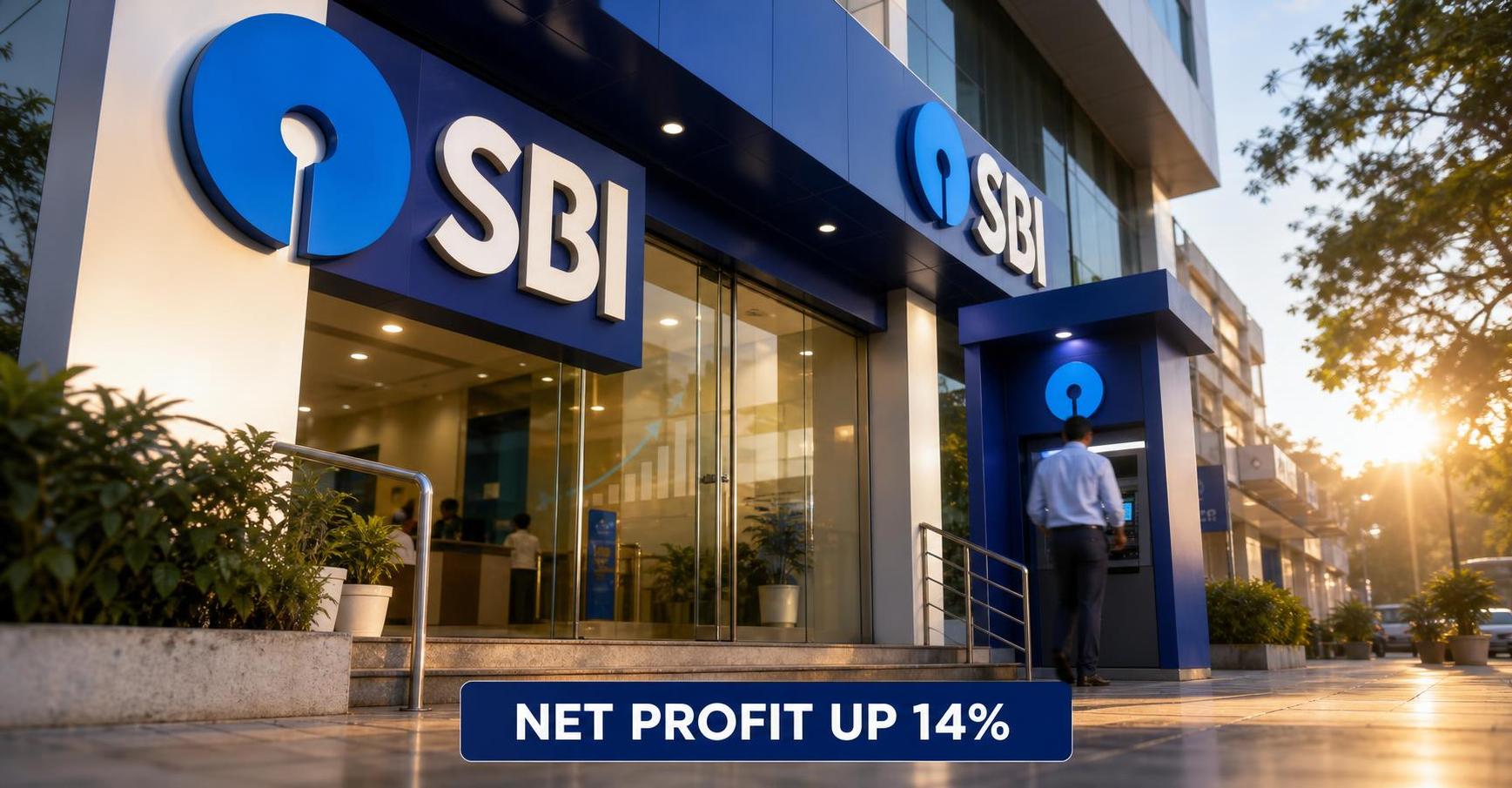
SBI’s standalone Q2 FY27 net profit rose 14.3 per cent YoY to Rs 23,037.95 crore as lower credit provisions and exceptional gains offset a modest decline in operating profit.
State Bank of India's vast retail and corporate lending franchise has continued to add deposits and advances at a brisk pace, while its asset quality has improved further. Against that backdrop, the country's largest lender reported standalone net profit of Rs 23,037.95 crore for the quarter ended September 30, 2026, up 14.3 per cent YoY from Rs 20,159.67 crore.
Consolidated net profit rose 19.9 per cent YoY to Rs 25,351.16 crore. Standalone total income increased to Rs 1,43,796.01 crore from Rs 1,34,979.47 crore, led by a 10.5 per cent rise in interest income to Rs 1,32,018.55 crore. Interest and discount income on advances and bills grew to Rs 97,464.47 crore, reflecting expansion in the loan book.
The earnings increase came despite a modest decline in standalone operating profit before provisions and contingencies, which slipped to Rs 26,917.24 crore from Rs 27,310.92 crore a year earlier. Other income declined to Rs 11,777.46 crore from Rs 15,462.60 crore, while operating expenses rose 9.6 per cent to Rs 33,983.07 crore. Lower provisions provided a key offset. Standalone provisions declined to Rs 4,216.86 crore from Rs 5,400.12 crore, while provisions for non-performing assets fell to Rs 2,759.10 crore from Rs 4,132.34 crore.
The half-year figures also included a pre-Tax exceptional profit of Rs 7,288.47 crore from SBI's divestment of a 6.30 per cent stake in SBI Funds Management Ltd through a pre-initial public offering transaction and offer for sale. SBI's holding in the asset manager declined to 55.56 per cent by September 30, 2026. Separately, gains from stake sales in National Stock Exchange and ARCIL were credited to capital reserve under revised Reserve Bank of India investment portfolio rules and did not flow through the profit and loss account.
Balance sheet growth remained robust. Standalone deposits rose to Rs 62.78 lakh crore, up 12.3 per cent YoY, while advances increased 18.2 per cent to Rs 51.54 lakh crore. Gross non-performing assets stood at Rs 72,529.08 crore and the gross NPA ratio improved to 1.39 per cent. The bank's Basel III capital adequacy ratio was 16.09 per cent, including a common equity tier 1 ratio of 13.34 per cent.
As of 1:51 pm on November 3, 2026, SBI shares were trading at Rs 992.00, up 0.51 per cent from the previous close. The stock was about 19.2 per cent below its 52-week high of Rs 1,227.80, while remaining 5.5 per cent above its 52-week low of Rs 940.00. Over the past year, the shares gained 8.84 per cent, compared with a 6.52 per cent decline in the BSE 500, indicating relative outperformance over the comparable period.
What This Means for Investors
The quarter reinforces SBI's ability to convert balance sheet expansion into higher earnings while maintaining a strong capital position. Loan growth has outpaced deposit growth, particularly in retail and corporate banking, and the fall in NPA provisions has supported profitability. However, the decline in operating profit before provisions shows that rising operating costs and lower other income remain important variables for the core earnings trajectory.
The stake sale in SBI Funds Management adds a significant exceptional profit for the half year and highlights the value of SBI's financial services subsidiaries, although such gains are not recurring operating income. The sharper fall in NPA provisions is supportive for earnings visibility if credit quality remains stable. The key monitorables are deposit pricing, the ability to sustain lending spreads, expense growth and asset quality in granular portfolios. SBI's 16.09 per cent capital adequacy ratio provides a cushion for growth and regulatory transition requirements.
Disclaimer: The article is for informational purposes only and not investment advice.