Silver Price Crashes Rs 45,000/kg in October; Gold Falls to 7-Month Low as Inflation and Rate Hike Fears Mount
Prajwal / 31 Oct 2026 / Categories: Mindshare, Trending
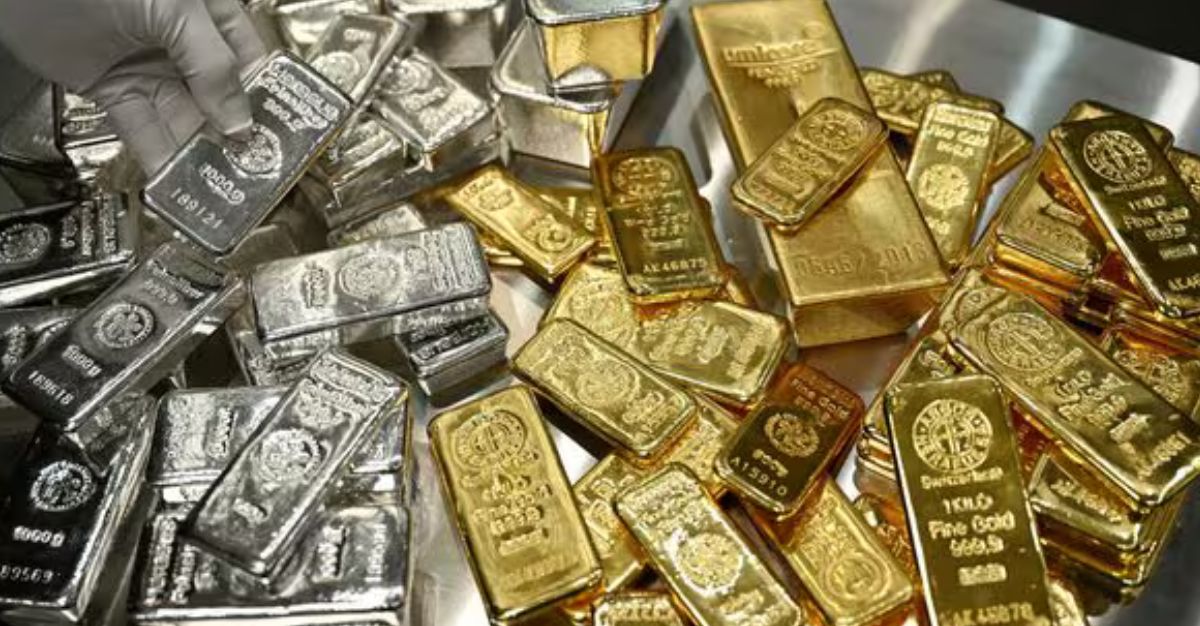
Silver prices plunged Rs 45,000 per kg in October, while gold hit a seven-month low as inflation, rising oil prices and U.S. interest rate hike expectations pressured precious metals.
Silver prices extended their decline on Friday, October 30, with the December delivery contract on the Multi Commodity Exchange (MCX) plunging another Rs 10,577 per kg. The contract breached the Rs 1.80 lakh mark, touching an Intraday low of Rs 1,79,600 per kg. Silver was last seen trading at similar levels in December. Friday's decline widened its October losses to nearly Rs 45,000 per kg, putting the metal on track for its steepest monthly decline of 2026.
The white metal, which witnessed an uninterrupted rally in 2025, has surrendered more than 50 per cent of those gains amid rising crude oil prices and persistent inflation concerns. These developments have strengthened expectations of higher U.S. interest rates, putting additional pressure on precious metals.
Gold prices also extended their decline for the third consecutive trading session on Friday. The metal fell another Rs 4,347 per 10 grams, touching an intraday low of Rs 1,38,249, its lowest level since late March. During October, gold prices have declined by Rs 10,787 per 10 grams, following a fall of Rs 5,400 in September. At the time of reporting, gold was trading at Rs 1,38,481 per 10 grams, while silver was quoted at Rs 1,79,527 per kg.
How much have gold and silver fallen from their record highs?
Silver has witnessed a sharp correction from its record high of Rs 4,20,048 per kg, losing around 57 per cent of its value. The correction comes after the metal surged 170 per cent during 2025. Gold has also retreated significantly from its record peak of Rs 1,80,779 per 10 grams, declining by Rs 42,321.
Gold is traditionally considered a hedge against inflation and a safe-haven asset during periods of geopolitical uncertainty. However, rising interest rates tend to reduce its appeal as the metal does not generate interest or regular income. As yields on interest-bearing assets become more attractive, investors may shift their investments away from gold and silver.
Why are gold and silver prices falling?
The latest correction in precious metals is largely driven by persistent inflationary pressures in the U.S., rising energy prices and expectations of higher interest rates. The U.S. Personal Consumption Expenditures (PCE) Price Index, the Federal Reserve's preferred inflation gauge, increased 0.5 per cent month-on-month in September, marking its biggest monthly rise since March. Annual inflation accelerated to 3.6 per cent, while core PCE inflation climbed to 3.1 per cent year-on-year.
Meanwhile, the U.S. economy continued to demonstrate resilience. Gross Domestic Product (GDP) expanded at an annualised rate of 3.4 per cent in the third quarter, exceeding market expectations of 3.2 per cent. Strong consumer spending and robust investment related to artificial intelligence supported economic growth.
On Wednesday, the U.S. Federal Reserve voted 10-2 to keep interest rates unchanged in the range of 3.75 per cent to 4 per cent. However, two policymakers dissented, favouring a 25-basis-point interest rate hike. The decision and the dissenting views highlighted concerns about persistent inflationary pressures.
The Federal Reserve and other major central Banks are also facing growing inflation risks as the ongoing war in the Middle East continues to keep crude oil and natural gas prices elevated. Oil prices were on track to register their fourth consecutive monthly gain, while an attack on a tanker in the Strait of Hormuz highlighted continuing risks to global energy supplies arising from the U.S.-Israeli war on Iran.
Higher energy prices can increase transportation and production costs, adding to inflationary pressures. This could force central banks to maintain elevated interest rates for longer or consider further monetary tightening. Such expectations generally weigh on non-yielding assets such as gold and silver, as investors look towards interest-bearing investments.
According to the CME FedWatch Tool, traders are now pricing in approximately a 75 per cent probability of an interest rate hike by the Federal Reserve in December. Meanwhile, inflationary pressures are also emerging in other major economies. In Japan, annual core inflation in Tokyo rose well above the central bank's 2 per cent target in October, according to data released on Friday.
The combination of persistent inflation, rising energy prices, resilient economic growth and expectations of higher interest rates has increased pressure on precious metals, extending the correction in both gold and silver prices.
Disclaimer: The article is for informational purposes only and not investment advice.