Textile Sector: Weaving A Way Out Of A Slump
Ninad Ramdasi / 19 Oct 2023 / Categories: DSIJ_Magazine_Web, DSIJMagazine_App, Special Report, Special Report, Stories
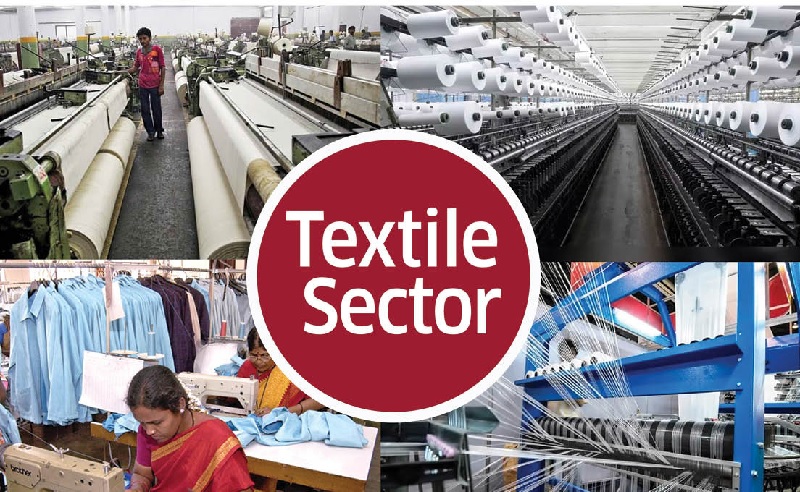
India's textile sector is diverse and consists of hand-spun and hand-woven sectors, as well as capital-intensive mills.
While India’s textile sector has been facing recessionary challenges over the past year, exporters are looking forward to the Christmas season in this quarter to alleviate the ongoing downturn. Industry experts believe that they will end the year on a positive note and see an 8-10 per cent rise in the near future
Last year, the textile sector weathered a challenging combination of factors, akin to a perfect storm. This included a slowdown in demand from export markets due to surging inflation, disruptions in the supply chain caused by the Russia-Ukraine war which affected inventory levels and the substantial increase in commodity costs that placed significant pressure on profit margins. The situation has not improved even in the first three months of the current fiscal. Inflation and economic slowdown in advanced economies, coupled with piled up inventory since the pandemic, have caused India’s apparel export clients to defer orders or request lower prices. [EasyDNNnews:PaidContentStart]
The first three months of this fiscal saw apparel exports decline by around 23 per cent, 13 per cent and 17 per cent in April, May and June, respectively. The quarter as a whole saw a 17.7 per cent year-over-year dip to USD 3.69 billion in 2023 from shipments worth USD 4.49 billion in 2022. However, in the wake of these adverse circumstances, the sector is now displaying early signs of recovery. Exporters are looking forward to the Christmas season in this quarter to alleviate the ongoing slump. Industry experts believe that they will end the year on a positive note and see an 8-10 per cent rise in the near future. In the next few months, both readymade garments and home textiles will see growth.
However, it is too early to pass judgement on whether the situation is set to improve from last year. The optimism is based on an anticipated sequential improvement in demand, stemming from normalised inventory levels at retailers, corrections in cotton prices and freight costs as inflation cools off. Besides, other factors such as alignment of Indian cotton prices with international prices, a shift in demand from competing nations and gradual recovery in demand from China are also going to help the sector. India has a share of 4.6 per cent of the global trade in textiles and apparel.
Even at the company level, we may see healthy return ratios going ahead due to reduced debt levels and minimal capital expenditure requirements, as many industry players have expanded their production capacities over the past two years. Also, the improved utilisation is expected to boost the EBITDA margins. The Indian textile industry is the second-largest producer of manmade fibre (MMF) after China. India is the third-largest exporter of textiles and apparel in the world. India’s textiles and clothing industry is one of the mainstays of the national economy. The major textile and apparel export destinations for India are USA, EU-27 and UK, accounting for approximately 50 per cent of India’s textile and apparel exports.
Financial Highlights
For this report we have considered the top 16 companies in terms of market capitalisation to assess the financial performance of the textile industry in FY23 against FY22 and the last 12 months. The total market capitalisation of these companies is roughly about ₹ 2.14 lakh crore. The net sales in the textile industry grew by nearly 4 per cent on YoY basis from FY22 to FY23. However, when we compare the top-line of the last trailing 12 months from FY23, we see that it has declined by 4 per cent. The operating profit declined by 8 per cent YoY and again 8 per cent between FY23 and TTM.
The profit after tax saw a sharper decline of 18 per cent during our study period. Company-wise, on TTM basis, Swan Energy exhibited the highest top-line growth of 37 per cent. The company posted net profit of ₹ 6.72 crore as compared to net loss of ₹ 61.05 crore in FY23. In terms of bottom-line growth, NIBE exhibited the highest net profit growth of 257 per cent from FY23 on TTM basis. The company’s net sales rose by 13 per cent during the same period. The share of textile and apparel including handicrafts in India’s total merchandise exports stood at a significant 10.5 per cent in 2021-22.
Outlook
India’s textile sector is diverse and consists of hand-spun and hand-woven sectors, as well as capital-intensive mills. Its strength lies in its production of natural and synthetic fibres. The largest component is the decentralised power looms and knitting sector. The industry’s close linkage to agriculture and ancient Indian culture makes it unique. It produces a variety of products for various market segments within India and globally. The government has introduced various positive measures such as the Scheme for Integrated Textile Parks, Technology Upgradation Fund Scheme and Mega Integrated Textile Region and Apparel Park to attract private equity and employees.
The Indian textile and apparel industry is projected to grow at 10 per cent CAGR from 2019-20 to reach USD 190 billion by 2025-26. India is the world’s largest cotton producer with production expected to reach 7.2 million tonnes by 2030. The industry’s exports of readymade garments (RMG) and accessories reached USD 16.2 billion in FY23, with an estimated 4.6-4.9 per cent global share. Natural fibres are expected to grow from USD 138 billion to USD 195 billion by 2025. In FY22, India’s textile and apparel exports reached USD 23.1 billion with exports of readymade garments including cotton accessories reaching USD 6.19 billion.
These include a burgeoning global population, increasing disposable incomes and a rising appetite for sustainable textile products. In the fiscal year 2022, approximately 60 per cent of exports emanated from the handloom sector, underscoring the growing demand for readymade textile products. The textile industry is steadily emerging from its recent challenges, and the forthcoming months hold promise for even brighter prospects. With people redirecting their spending towards travel and personal care, the upcoming festival season is expected to witness robust demand in the textile sector. This surge is particularly anticipated in the retail segment.
Importance of the Textile Sector
India’s textile sector, which has been a part of the Indian economy for centuries, is one of the oldest industries in the country. It encompasses a diverse range of segments with hand-spun and hand-woven textiles at one end and technologically advanced mills at the other. One of the key strengths of the Indian textile industry is its robust production base, encompassing a wide variety of natural fibres like cotton, jute, silk and wool, as well as synthetic fibres such as polyester, viscose, nylon and acrylic. The sector holds importance from the employment point of view as well. It provides direct and indirect employment and source of livelihood for millions of people including a large number of women and rural population.
The sector is in perfect alignment with the government’s key initiatives of Make in India, Skill India, Women Empowerment and Rural Youth Employment. During April- November in FY23, the total exports of textiles stood at USD 23.1 billion. India’s textile and apparel exports to the US, its single largest market, stood at 27 per cent of the total export value in FY22. Exports of readymade garments including cotton accessories stood at USD 6.19 billion in FY22. India’s textiles industry has around 4.5 crore employed workers including 35.22 lakh handloom workers across the country. The textile industry is poised for ongoing growth in the years ahead, propelled by several key factors.
Click here to download the list of textile stocks 2023
[EasyDNNnews:PaidContentEnd] [EasyDNNnews:UnPaidContentStart]
To read the entire article, you must be a DSIJ magazine subscriber.
Current print subscribers click here to login
Subscribe now to get DSIJ All Access
[EasyDNNnews:UnPaidContentEnd]