The Credit Score Trap: Are You Making These Mistakes?
Ratin / 23 Jul 2026 / Categories: DSIJ_Magazine_Web, DSIJMagazine_App, MF - Special Report, Mutual Fund, Special Report
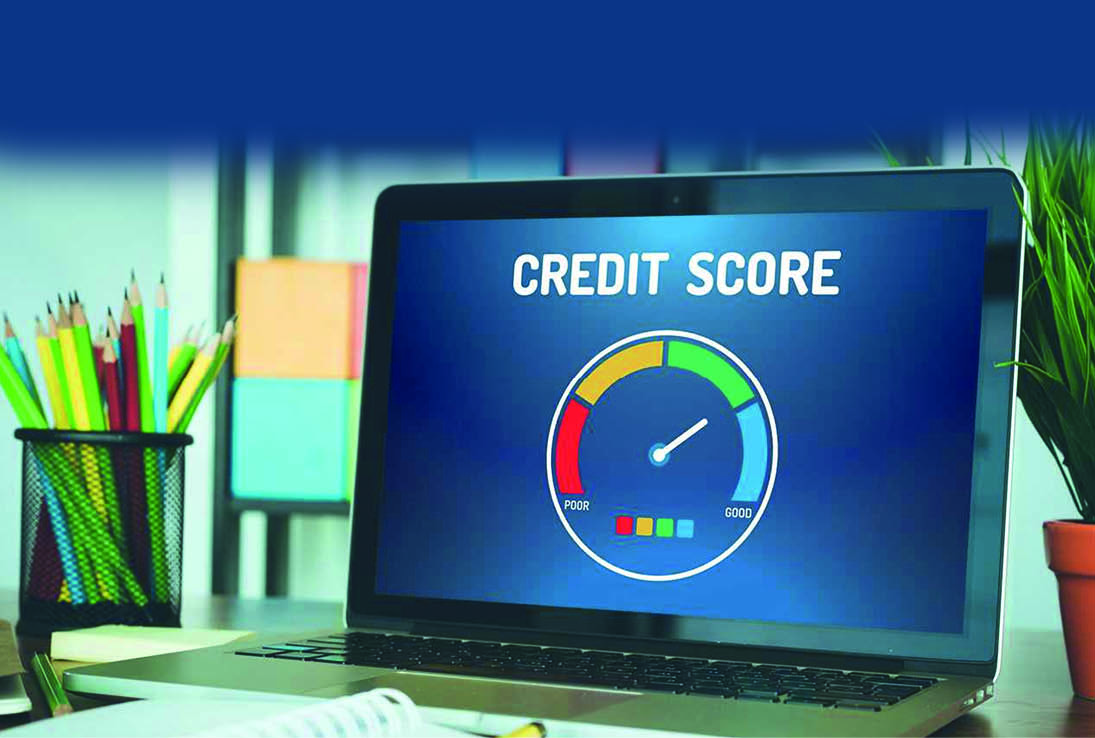
Planning to take a loan but worried about your credit score? Looking to build a strong credit profile
Planning to take a loan but worried about your credit score? Looking to build a strong credit profile but unsure where to begin? Or have you missed an EMI and want to get your finances back on track? If you have ever wondered about any of these, this story will help you find answers [EasyDNNnews:PaidContentStart]
Never before has borrowing been so quick and effortless. A credit card can be approved within days, a personal loan sanctioned in hours and a Buy Now, Pay Later (BNPL) purchase completed with a single click. While credit has become more accessible than ever, many borrowers remain unaware that every financial decision leaves a lasting imprint on one crucial metric - ‘their credit score’. This three-digit number quietly determines whether you qualify for a loan, how much you can borrow and the interest rate you will pay.
Yet, despite its importance, many people pay attention to it only after facing a loan rejection or an unexpectedly high borrowing cost. Let's understand this through the example of Ritika. Ritika learnt this lesson the hard way. At 29, she had a stable job with a leading IT company, a good salary, regular Mutual Fund investments and enough savings for the down payment on her first home. Believing her finances were in good shape, she applied for a home loan, expecting the approval process to be straightforward.
Instead, one Bank offered her a higher interest rate than advertised, while another was reluctant to sanction the loan. The reason was neither her income nor her employment history. It was her credit score. Her credit report showed a series of seemingly harmless financial habits, including occasional delays in credit card payments, paying only the minimum amount due and frequently using most of her available credit limit.
Individually, these actions appeared insignificant. Collectively, however, they portrayed a borrower with higher repayment risk. You may have faced a similar situation yourself, or perhaps you want to avoid finding yourself in one in the future. Either way, this story is for you. Let's understand what affects your credit score, the common mistakes that can damage it and the steps you can take to build and maintain a healthy credit profile.
Credit Score: More Than Just a Number
Many people view taking a loan as a financial mistake. In reality, a loan is simply a financial tool. When used responsibly, it can help you achieve important life goals and even strengthen your credit profile, whereas reckless borrowing and delayed repayments can significantly weaken your credit score. A credit score is often described as a measure of creditworthiness, but this technical definition does not fully capture its significance. At its core, a credit score represents the confidence that a lender has in your ability and willingness to repay borrowed money.

It is a numerical summary of your borrowing behaviour, built over time through every loan you take, every credit card you use and every repayment you make. In India, credit scores generally range between 300 and 900. Although different credit information companies use slightly different scoring models, the broad interpretation remains similar. A score above 700 is generally considered healthy and improves the likelihood of securing loans at competitive interest rates. Scores below 650 often indicate higher lending risk and may reduce the chances of obtaining credit on favourable terms.
The Biggest Credit Score Mistakes You Should Avoid
Building a healthy credit score is not about making one extraordinary financial decision. It is about consistently making the right choices over several years. Unfortunately, many borrowers unknowingly develop habits that lenders interpret as warning signs. Most of these mistakes are not driven by financial irresponsibility but by a lack of awareness about how the credit system works. The encouraging part is that every one of these mistakes can be avoided. Understanding them today could save you substantial borrowing costs tomorrow.
Never Miss an EMI
A delayed EMI or credit card payment may seem insignificant, especially if it is only a few days late. However, lenders view repayment discipline as one of the strongest indicators of a borrower's financial behaviour. Even occasional delays can lower your credit score and make future borrowing more expensive. When evaluating a loan application, banks do not simply look at your income. They also examine whether you have consistently honoured your financial commitments.
A borrower with a clean repayment history is generally considered less risky than someone who has missed or delayed payments repeatedly, even if both have similar salaries and financial profiles. Fortunately, this is one of the easiest mistakes to avoid. Setting up auto-debit instructions, maintaining sufficient bank balance before the due date and using payment reminders can ensure that no EMI is missed. Timely repayments gradually build trust with lenders and strengthen your credit profile over time.
Don't Fall for the Minimum Due Trap
Many credit card users believe that paying the minimum amount due is enough to maintain a healthy credit profile. While this prevents the account from becoming overdue immediately, it does not eliminate the outstanding balance. The remaining amount continues to attract interest, often at significantly higher rates than most other forms of borrowing. Over time, these interest charges compound rapidly, making the debt increasingly difficult to repay.
At the same time, carrying a large unpaid balance keeps your credit utilisation ratio high, which may negatively affect your credit score. Credit cards are designed to offer convenience and short-term liquidity, not long-term financing. Clearing the entire outstanding balance before the due date not only saves interest costs but also demonstrates responsible credit behaviour. If you are unable to repay the full amount, it may be wise to reduce discretionary spending until the balance is brought under control.
Don't Max Out Your Credit Limit
Receiving a credit card with a high limit often creates the impression that you can comfortably spend the entire amount. In reality, the credit limit only represents the maximum amount available, not your ideal spending limit. Lenders closely monitor your credit utilisation ratio, or the percentage of available credit that you use. Financial experts generally recommend keeping this ratio below 30 per cent.
Consistently using most of your available limit may indicate financial dependence on borrowed funds, even if you repay your bills on time. Occasionally crossing this level is unlikely to cause major damage, particularly during emergencies. However, operating close to the maximum limit month after month can weaken your credit profile. Treating your credit card like a debit card and spending only what you can comfortably repay remains one of the healthiest financial habits.
Borrow Only When You Need To
Pre-approved loans, instant credit cards and easy EMI offers have become increasingly common. While these products improve access to credit, they also encourage unnecessary borrowing. Every formal loan or credit card application generally results in a hard enquiry on your credit report. A single enquiry is perfectly normal, but multiple enquiries within a short period may signal financial stress or an urgent need for credit.
This could make lenders more cautious while assessing your application. Before applying for any loan, ask yourself whether it addresses a genuine financial requirement or is simply driven by an attractive marketing offer. Applying selectively not only improves approval chances but also protects your credit profile from unnecessary enquiries.
Think Before Financing Lifestyle Expenses
Easy EMI options have made expensive smartphones, holidays, luxury furniture and premium gadgets more affordable than ever. While there is nothing wrong with borrowing, the purpose of the loan deserves careful consideration. Loans taken for productive purposes, such as purchasing a home, funding higher education or expanding a business, often create long-term value.
On the other hand, financing lifestyle purchases generally creates a liability without generating any financial return. Another challenge is the accumulation of multiple small EMIs. Individually, they may appear manageable, but together they can consume a significant portion of your monthly income, leaving limited room for savings and investments. Before choosing an EMI option, consider whether the purchase will still feel worthwhile after paying interest over the next few years.
Don't Sign as a Guarantor Blindly
Many people agree to become loan guarantors for friends or relatives without fully understanding the responsibility involved. While it may appear to be a simple favour, the financial implications can be significant. A guarantor is legally responsible for repaying the loan if the primary borrower defaults.
In such situations, lenders may approach the guarantor for repayment, and the default could also affect the guarantor's credit profile. Before agreeing to become a guarantor, carefully evaluate the borrower's financial discipline and repayment capacity. A decision made out of goodwill should not expose you to long-term financial stress or damage your own borrowing record.
Before You Close That Credit Card...
Many people believe closing unused credit cards is always a good financial decision. While reducing the number of cards may simplify money management, it can sometimes affect your credit profile. Older credit accounts contribute to the length of your credit history, which helps lenders assess your long-term repayment behaviour. Closing your oldest card may reduce the average age of your credit history.
It can also reduce your overall available credit limit, pushing your credit utilisation ratio higher. This does not mean every unused card should remain active forever. If a card carries high annual charges or encourages unnecessary spending, closing it may still be appropriate. However, before discontinuing an older card with little or no maintenance cost, evaluate its impact on your overall credit profile.
Don't Ignore Your Credit Report
Many investors regularly monitor their mutual fund portfolios and bank balances but rarely review their credit reports. This can prove to be an expensive oversight. Although credit bureaus maintain extensive records, errors can occasionally occur. Incorrect loan entries, duplicate accounts, outdated repayment information or fraudulent transactions may appear in your report. Identifying such discrepancies early allows you to raise disputes and get them corrected before they affect an important loan application.
Reviewing your credit report at least once a year also helps you understand how lenders view your financial behaviour. More importantly, it enables you to identify weaknesses and take corrective action before they translate into a lower credit score. Just as annual health check-ups help detect medical issues early, periodic credit report reviews can help protect your financial health and improve your long-term borrowing prospects.l

Final Thoughts
A credit score is often treated as a destination, a number to chase before applying for a loan. In reality, it is a by-product of your everyday financial behaviour. It is shaped not by one big decision but by dozens of small choices that rarely make headlines: paying a bill on time, resisting an unnecessary purchase, borrowing only when required and planning expenses instead of postponing them. In many ways, your credit score resembles your financial health. You cannot transform it overnight through one good decision, nor does it collapse because of a single mistake.
It reflects your long-term habits. Just as regular exercise and a balanced diet build good health over time, consistent financial discipline gradually builds a strong credit profile. As India's financial ecosystem becomes increasingly digital, your credit history will travel with you throughout your life. Whether you are buying your first home, launching a business, pursuing higher education or responding to an unexpected financial need, lenders will look beyond your income and evaluate the confidence they can place in you as a borrower.
A strong credit profile can translate into lower borrowing costs, quicker approvals and greater financial flexibility when opportunities arise. Perhaps the biggest lesson is this: borrowing itself is not the risk.
The real risk lies in borrowing without a plan. Credit, when used wisely, can accelerate wealth creation, help you acquire valuable assets and support important life goals. When used carelessly, it can quietly become an expensive burden.
The three-digit credit score on your report is not merely a statistic generated by a credit bureau. It is a reflection of your financial reputation. And like every good reputation, it is earned gradually, protected through discipline and rewarded with trust. The sooner you start nurturing it, the greater the financial freedom you will enjoy in the years ahead. Financial wisdom is often built through experience. Share your journey with us and let us know how you developed healthier financial habits and strengthened your financial profile.
[EasyDNNnews:PaidContentEnd] [EasyDNNnews:UnPaidContentStart]
To read the entire article, you must be a DSIJ magazine subscriber.
[EasyDNNnews:UnPaidContentEnd]