The Rise of Premiumization: How Quality Is Outshining Affordability!
DSIJ Intelligence-6 / 10 Nov 2025 / Categories: General, Knowledge, Trending
While analysts question whether this trend can endure amid economic pressures, one thing is clear—Indian consumers are no longer content with “good enough.”
Changing Consumption Dynamics
India’s consumption story is taking an interesting turn. Once driven largely by affordable, mass-market products, spending patterns are evolving as consumers increasingly favour premium options. Urban consumption, traditionally the main growth engine, has begun to slow, while rural areas are showing renewed strength. Yet, across both segments, the conversation has shifted from “how much” people buy to “what kind” they buy.
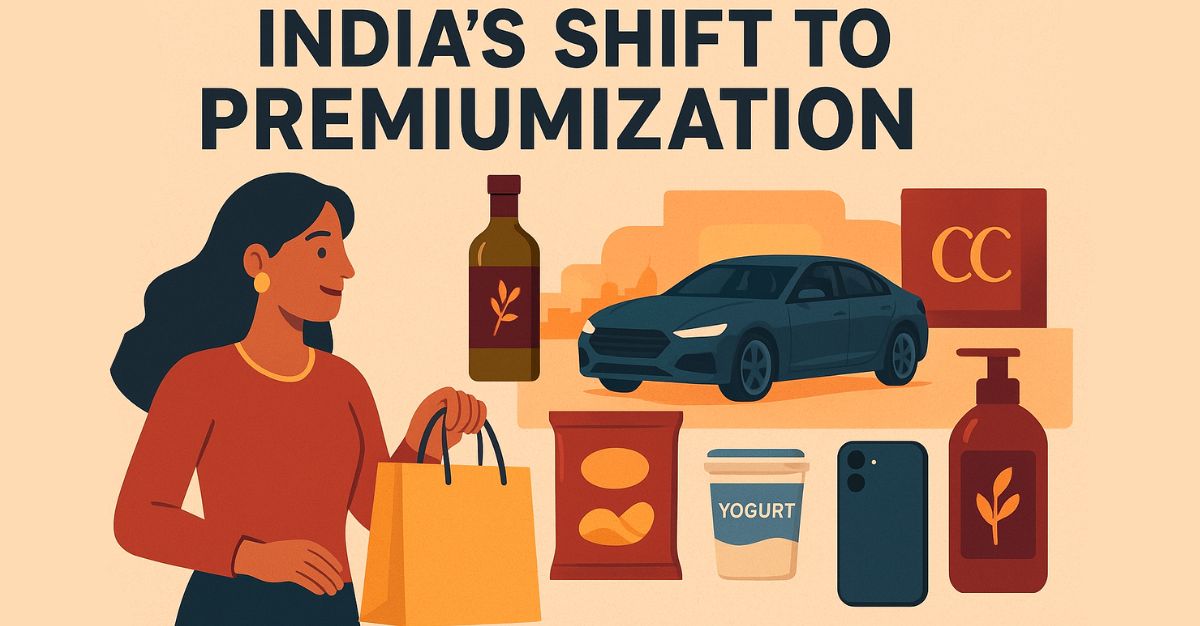
Consumers today are gravitating toward products that offer superior quality, better experiences, and a touch of exclusivity. From soaps and snacks to cars and appliances, the premiumization trend is gaining momentum. Companies are responding by introducing upgraded versions of their existing offerings, aiming to capture aspirational buyers who value refinement over volume.
FMCG: Quality Takes Center Stage
In fast-moving consumer goods, brands like Dabur and Hindustan Unilever (HUL) are at the forefront of this shift. Dabur’s Cesaare line of premium Ayurvedic hair oils and Odonil’s gel-based home fragrances are redefining traditional categories with a luxurious twist. Meanwhile, HUL is expanding its premium portfolio across segments—coSMEtics through Lakmé and Dove, and foods with health-focused offerings. Interestingly, HUL reports that premium segments are growing 30 per cent faster than regular products, even in rural areas—signalling that aspiration is no longer confined to cities.
Food, Beverages, and Beyond
In the food and beverage space, Tata Consumer Products is emphasizing quality and sustainability with products like Tata Tea Gold and Soulfull. Similarly, Nestlé India is strengthening its health-oriented premium portfolio, addressing consumers’ growing preference for trust, nutrition, and provenance over price.
The alcohol industry mirrors this shift. United Spirits is betting on luxury Scotch, while Radico Khaitan’s “Prestige & Above” range caters to refined tastes in whiskey and rum. These brands are capitalizing on a new wave of consumers who see premium spirits as markers of sophistication and success.
Premium Durables and Automobiles
In consumer durables, Havells, through its Lloyd brand, is focusing on superior design, technology, and performance to attract customers seeking reliability and aesthetics. The automobile sector, too, is witnessing a similar shift. Maruti Suzuki reports a rise in demand for SUVs—even from rural buyers—indicating that aspirations for comfort and status are reshaping buying behaviour beyond metropolitan markets.
Conclusion: A New Era of Aspiration
India’s premiumization trend reflects more than just rising incomes—it signals a transformation in consumer psychology. Buyers now seek value in experience rather than merely affordability. For companies, this shift presents both opportunity and challenge: sustaining growth through innovation while ensuring accessibility.
While analysts question whether this trend can endure amid economic pressures, one thing is clear—Indian consumers are no longer content with “good enough.” Premiumization has become a defining force in shaping the country’s next phase of consumption-driven growth.