Understanding Buybacks: A Strategic Tool for Companies!
DSIJ Intelligence-6 / 26 Aug 2025 / Categories: General, Knowledge, Trending
For investors, buybacks in India remain a strong signal worth monitoring, though one must look beyond the headline action.
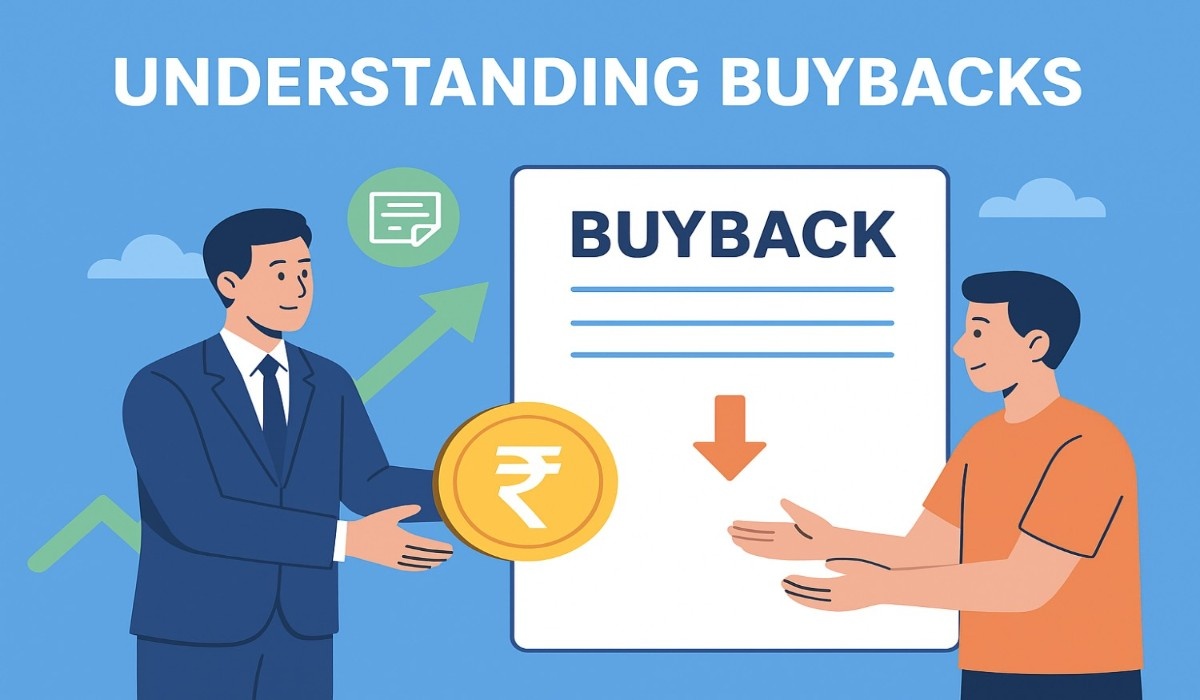
In the Indian equity market, share buybacks have become an important corporate action, often sparking interest among retail and institutional investors alike. A buyback, or share repurchase, occurs when a company buys back its own shares from existing shareholders, reducing the total number of shares outstanding. This has multiple implications for valuation, taxation, and long-term performance perception.
Why Do Companies Opt for Buybacks?
Companies usually undertake buybacks to signal financial strength. With excess cash reserves, instead of deploying funds into risky ventures or hoarding them, management may choose to return value to shareholders. Buybacks help:
- Boost Earnings Per Share (EPS): By reducing outstanding shares, reported EPS rises, often lifting valuations.
- Support Stock Price: Companies may intervene if the stock is undervalued, stabilizing or enhancing market confidence.
- Optimize Capital Structure: Buybacks help balance debt and equity, improving return ratios.
In India, buybacks are also seen as a tool to distribute surplus cash in a more tax-efficient way compared to dividends, though recent regulatory changes have altered this dynamic.
Recent Regulatory Developments in India
The Securities and Exchange Board of India (SEBI) has tightened norms around buybacks. From 2025, buybacks through the stock exchange route will be phased out, leaving only the tender offer method, which ensures equitable treatment of shareholders. This step aims to reduce price manipulation and protect minority investors. Additionally, companies must adhere to stricter timelines and disclosures, improving transparency in the process.
Tax Implications of Buybacks
Earlier, buybacks were taxed at the company level, exempting shareholders from tax on gains. However, since July 2019, buybacks attract a 20% buyback tax under Section 115QA of the Income Tax Act, payable by the company. This reduces the attractiveness of buybacks as a tax-efficient distribution compared to the past, though shareholders continue to receive proceeds tax-free.
Can Buybacks Signal Long-Term Performance?
A buyback often reflects management’s confidence in the company’s prospects, suggesting the stock is undervalued. Historically, in India, firms with disciplined capital allocation—such as Infosys, TCS, and Wipro—have used buybacks effectively to reward shareholders. However, not all buybacks guarantee superior returns; if driven merely by short-term stock price support, the benefits may be limited.
Conclusion
For investors, buybacks in India remain a strong signal worth monitoring, though one must look beyond the headline action. Evaluating the company’s fundamentals, cash flow health, and rationale behind the buyback is key. In many cases, sustained buybacks reflect shareholder-friendly policies and long-term value creation, but they should be assessed in the broader context of governance and capital allocation.