Why the most powerful quant strategy might be the one that knows when to do nothing
Mandar Wagh / 28 Aug 2025 / Categories: Expert Speak, Others, Trending
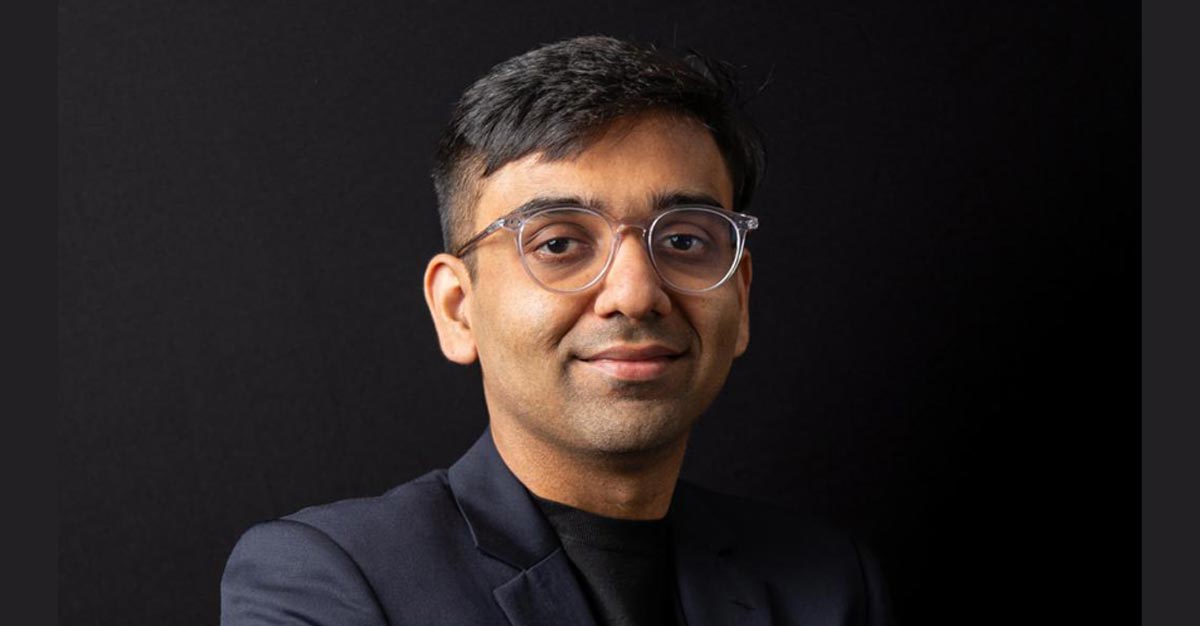
The article was authored by Rishabh Nahar, Partner and Fund Manager at Qode Advisors PMS
In investing, the real edge is often not in deciding what to buy or sell, but in knowing when not to act at all. The paradox of markets is that activity looks intelligent, but inactivity often compounds smarter.
We live in a time where over-trading has become the default. Retail investors refresh apps every few minutes. Hedge funds hire armies of PhDs and fire millions of orders every second. Everyone assumes that more trades mean more opportunities and more profits. But the truth is often the opposite. A 2021 study from the National Stock Exchange of India found that over 70 per cent of intraday retail traders lost money, with median losses of about Rs 1,200 per day. The more they traded, the more they lost. The problem was not a lack of intelligence. It was a lack of patience.
Quant investing is supposed to solve this problem. Systems are built to eliminate human emotion and trade purely on data. Yet even the best quant models fall into the same trap: chasing noise, overfitting signals, and confusing activity with alpha. Renaissance Technologies, the most successful quant fund in history, did not build its fortune on constant activity. It built it on ruthless selectivity. Jim Simons, its legendary founder, described trading as a waiting game. The firm ignored 99 per cent of the signals and only acted when the probabilities were undeniable.
Markets move in regimes. Sometimes they trend strongly. At other times, they drift sideways. A momentum strategy thrives in strong trends but bleeds money in choppy ranges. The best funds simply turn it off during those periods. The same applies to volatility strategies. They work beautifully in crises like 2008 or March 2020, but they lose steadily in calm markets. The most sophisticated algorithms include ‘kill switches’, where they literally stop trading because the odds no longer justify action.
This is not new wisdom. Warren Buffett has been practising it his whole career. Between 2009 and 2016, Berkshire Hathaway sat on mountains of cash. Critics called him lazy. But when March 2020 came around, Buffett had firepower while others were scrambling. His favourite line captures it well: the stock market is designed to transfer money from the active to the patient.
Data backs this up. A BlackRock study in 2018 showed that investors who stayed invested during downturns ended up wealthier than those who tried to trade every bump. The principle here is not about holding blindly forever. It is about knowing when to wait until the odds are overwhelmingly in your favour. Poker players understand this deeply. Professionals fold about 80 per cent of the hands they are dealt. Not because they are timid, but because they understand expected value. Quants face the same maths. Edge comes not from playing more hands, but from waiting for the right ones.
There is also a hidden cost to activity. Every trade carries friction: spreads, slippage, taxes, and commissions. In India, the Securities Transaction Tax alone eats away at returns. Over-trading is like death by a thousand cuts. A system that earns 15 per cent gross but trades constantly might net only 7. Another system that earns 12 per cent gross but trades rarely might net 10. Over a decade, the quieter system wins.
This lesson extends beyond investing. Startups fail more often from doing too many things than from doing too little. The most successful founders focus on one thing with conviction. In fitness, results come not from constantly changing routines but from compounding the basics. In relationships, it is not the number of interactions that matters but the quality of presence. The principle is the same everywhere: selective action beats constant motion.
So what does the ultimate quant strategy look like? It identifies the conditions where it has an edge. It recognises the times when that edge disappears. And it has the discipline to do nothing outside of those boundaries. That is harder than it sounds. Doing nothing feels lazy, unproductive, and even cowardly. But markets, like nature, reward patience.
The activity looks like progress. Stillness looks like stagnation. Yet the deepest compounding comes not from endless action but from rare, decisive moves made with clarity. The most powerful quant strategy is not the one that predicts every tick. It is the one that knows when to sit quietly, wait, and let the world come to it.
Disclaimer: The opinions expressed above are of the author and may not reflect the views of DSIJ.