Will Commodity Market Overcome The Recession Test?
Ninad Ramdasi / 14 Jul 2022 / Categories: DSIJ_Magazine_Web, DSIJMagazine_App, Editorial, Market Moves, Market Watch
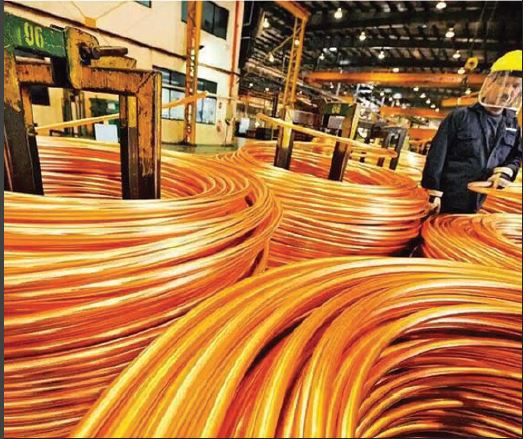
The second half of 2022 will be focused on how corporations, governments and consumers respond to the shockwaves that have affected commodity flow
The second half of 2022 will be focused on how corporations, governments and consumers respond to the shockwaves that have affected commodity flow
If the first half of 2022 was a roller-coaster ride for commodities, the second half of the year will decide whether the world economy is able to tolerate the exorbitant costs required to preserve limited supplies, particularly for energy, or a recession to bring down prices. [EasyDNNnews:PaidContentStart] Has the world food crisis reached its peak? Well, there is rising speculation that food prices worldwide may have peaked along with the prices of cereals and cooking oil. Winter wheat harvests are already underway in the northern hemisphere, while spring wheat, corn, and soybean harvests will begin later.
This means that there will be an increase in supplies. If the weather cooperates, production may increase as farmers increase their planting in response to rising prices. Despite the fact that millions of tons of grain are trapped in Ukraine, global stockpiles will remain constrained for the upcoming season. While Russia is on its way to a bountiful crop, some Ukrainian goods are making their way to Europe. The most popular edible oil in the world, palm oil, has recently fallen to its lowest level this year as major producer Indonesia increases exports, while wheat, corn, and soybean prices have fallen from their highs.
The price of food has already decreased since reaching an all-time high in March, and further decreases may be on the horizon.
The most popular edible oil in the world, palm oil, has fallen to its lowest level this year as major producer Indonesia increased exports, while wheat, corn, and soybean prices have fallen from their highs.

The oil market’s hottest commodities right now are refined goods like gasoline and diesel, and the key question for the second half is whether demand can be sustained, despite skyrocketing costs. Fuel subsidies that keep consumption steady, combined with constrained refining capacity have driven rallies that have outperformed crude prices. Politicians are taking notice of US gasoline's USD 5 per gallon price, which could lead to legislative changes before the midterm elections in November.
There is uncertainty on what will happen with crude, but if prices remain above USD 100 per barrel, we can anticipate more boisterous talks about how much OPEC and its partners can or will pump. Issues in China may have less impact on commodity markets than usual due to turmoil in Europe and the Federal Reserve’s shift to a more hawkish stance. In the coming months, the top importer of energy, metals and crops will still be crucial, particularly if the economy picks up to reach President Xi Jinping’s target of 5.5 per cent annual growth. That would increase demand, but the metals market in particular demonstrates why betting on any significant stimulus boost could be dangerous.
[EasyDNNnews:PaidContentEnd] [EasyDNNnews:UnPaidContentStart]
To read the entire article, you must be a DSIJ magazine subscriber.
Current print subscribers click here to login
Subscribe now to get DSIJ All Access
[EasyDNNnews:UnPaidContentEnd]