The Asset Economy Has Arrived. Most People Are Still Living in the Income Economy
 Join Us
 Follow Us
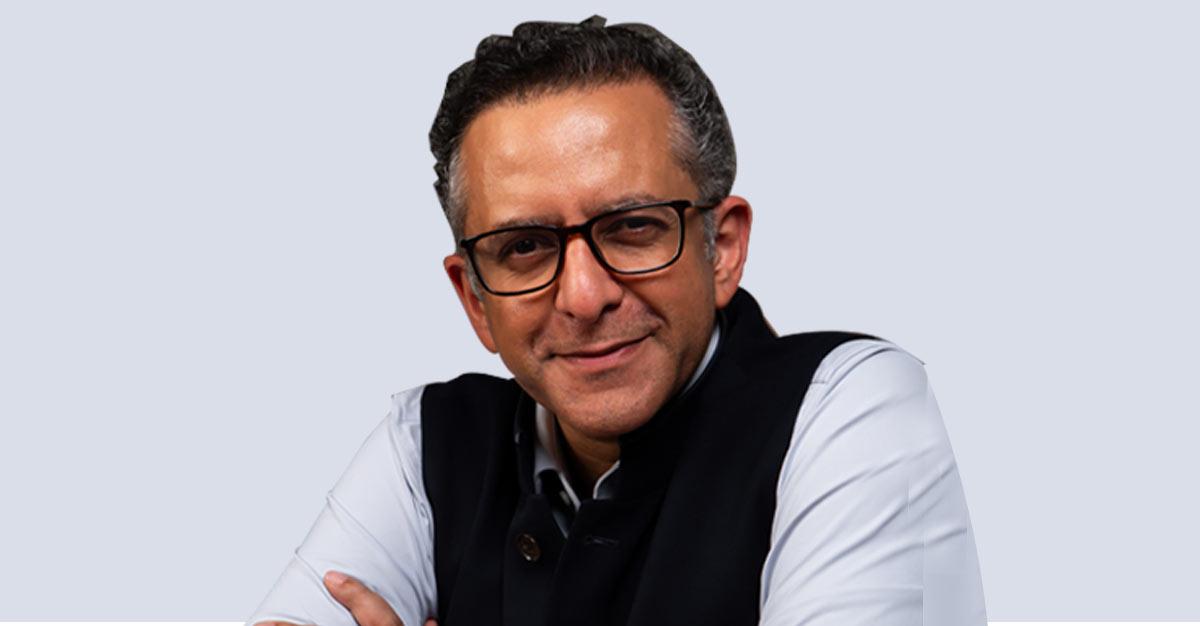
The article was written by Gaurav Bhagat, Founder, Gaurav Bhagat Academy
✨ Key Takeaways
For many years now, the path to financial freedom and security has remained etched in stone: work hard to get a great education, get employed, work your way through the ranks of the corporate world and try saving the pennies you will make from your pay. This is the core of the Income Economy. It was an economic framework where everything was based on a beautiful promise: that as long as one put in effort and exchanged their time for wages, they would be financially comfortable.
However, the past ten years have seen the breakdown of this contract, in which the laws of money became obsolete, putting millions of successful professionals into a race they could not run. In this era, salary income and other sources of income have become insufficient to keep pace with the inflation rates. The income economy has been effectively replaced by the asset economy.
In the Asset Economy, your financial viability rests on one harsh truth: It is not how much you earn anymore; it is how much you own. But the problem with most people is that they are still working under the old rules of the previous century. In order to safeguard yourself against the future, you need to understand why the old equation does not work and how to adapt your mindset to owning assets instead of earning.
The Big Split: Paychecks vs. Ownership
The greatest drawback of the Income Economy is that hard work alone is becoming increasingly less valuable compared to owning something. Throughout the previous decades, people managed to become highly efficient and productive workers. Nonetheless, statistics demonstrate that despite the increase in productivity by over 60 per cent, real, inflation-adjusted wages of the working population went up by only 20 per cent. Such a huge wave of additional value bypasses the workers' regular paychecks and finds its way right into the company's profits and share prices.
Meanwhile, governments and central banks have filled the global economy with lots of additional money. Such an excess of money did not help make bread and milk cheaper but pushed up the prices on items of limited availability:
Housing: Within the last decade, housing prices have risen almost three times faster than average salaries. It means that a house stopped being just a place to live and turned into an expensive investment object out of reach of an ordinary salary-earner.
Shares: Stock markets are at all-time highs, yet 90 per cent of all shares are owned by the wealthiest 10 per cent of the population.
If the assets growth rate is 8 per cent - 10 per cent per annum while the salary growth rate is only 3 per cent - 4 per cent, then there emerges a disparity that keeps growing and growing between the wealthy and the poor. Mathematically, it is impossible for people who earn money to keep up with those who have assets because those who have them will inevitably become richer.
The Trap of the Monthly Salary
Many talented and diligent individuals find themselves trapped in the Income Economy due to the social perception of what constitutes success. Since childhood, everyone is encouraged to strive for a good salary. It is widely believed that having a large monthly income is equal to being wealthy; however, earning a lot and not having any assets is simply an illusion. A top professional earning a massive salary who spends everything they make and does not invest is actually in a dangerous position. Once this person stops earning due to layoffs, sickness, or fatigue, their wealth generation process ceases right away.
However, if a person has a low-paid job but invests in assets regularly, such a person owns a real money machine. All the investments in the Asset Economy earn 24/7, 365 days a year, without getting exhausted and indifferent to company layoffs. In addition, the Tax code is structured in favour of investors rather than workers. In virtually all countries, the earnings resulting from one's own labour (physical or mental) are subject to a significantly higher taxation rate compared to investment income.
The Solution: How to Become an Asset Owner from a Worker
Escaping from conventional financial thinking is the key to achieving lasting stability. An individual cannot control the world economy; however, an individual can modify the way in which he participates in it. Changing one’s approach from being in the Income Economy to the Asset Economy involves certain steps:
1. No More Savings but Investments
While the traditional system of economic development encourages people to keep additional cash in bank deposits, in the new economy system, keeping any money in regular bank accounts will be a waste of time since inflation makes such savings worthless by the day. The money that one keeps aside for future use should be considered as an investment to be spent on purchasing assets. Any amount saved aside from what is required to cover immediate needs should be invested either in Mutual Funds, stocks, or property.
2. Take Advantage of Tax-Saving Instruments
In order to preserve the money earned through hard work from taxation, the investor should make maximum use of the financial instruments provided by the government. It means that all available sums should be invested in PPFs, EPFs, or ELSS.
3. Create Digital Assets
A person does not have to have millions of dollars to be an owner nowadays. In the digital age, everybody has the ability to become an asset creator. If a person writes an e-book, creates a website, makes an online course, or builds some software, he becomes an owner of his intellectual property. Creating such digital assets is inexpensive, but they provide a person with passive income for years and can even be sold somewhere later.
The Bottom Line
The Era of Income Economy is over. It is no longer safe to depend totally on work and a monthly income for providing security in the future. The combination of high inflation, rapid changes in technology, and unpredictable shifts within corporations makes labour obsolete. Real financial security comes from creating a buffer that will work without depending on your physical presence in an office.
In order to create real freedom and security, the approach should be changed from earning to owning. True wealth-building happens by creating an asset portfolio silently behind the scenes when you are asleep. The idea should be changed from earning more money to creating an own able asset.
Disclaimer: The opinions expressed above are of the author and may not reflect the views of DSIJ.