Challenges That Traders Will Face in FY 2026-27: 5 Key Shifts to Watch
 हमसे जुड़ें
 हमें फ़ॉलो करें
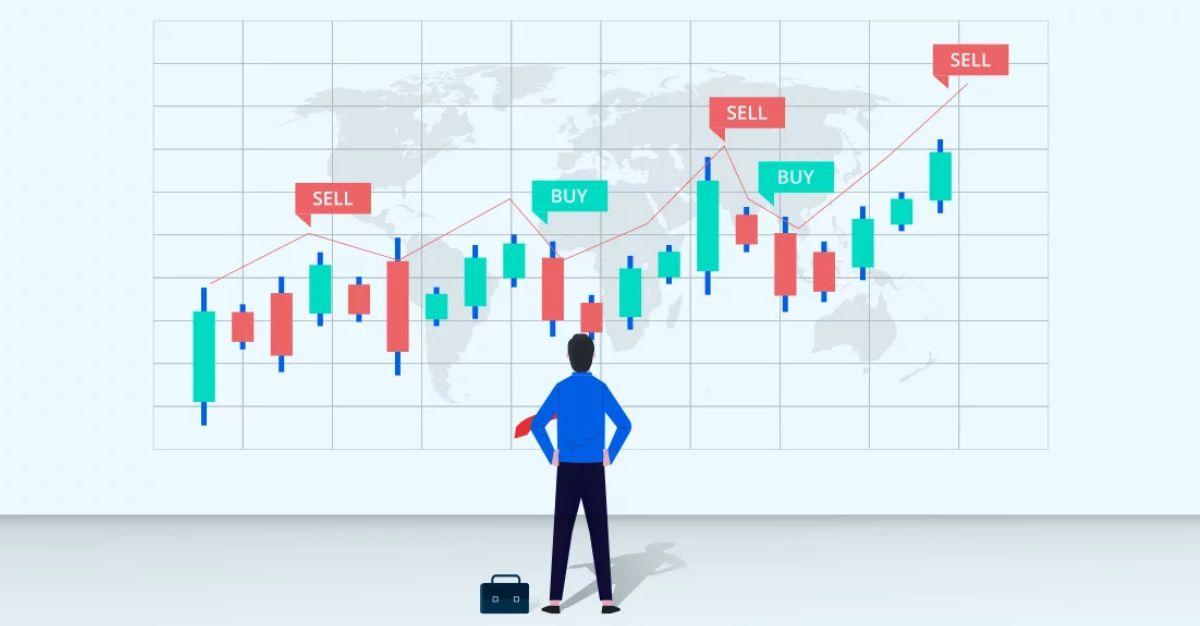
Indian traders face higher costs, lower leverage, reduced liquidity, slowing growth, and must shift to disciplined, risk-managed trading strategies in FY 2026-27.
✨ एआई संचालित सारांश
The Indian financial markets are entering a new phase in FY 2026-27, and for many traders, the environment may feel very different from the past few years. The post-COVID-19 period delivered one of the strongest bull rallies, boosting retail participation significantly. Easy access to trading platforms, lower costs, and high leverage encouraged a surge in trading activity, especially in the derivatives segment. However, this phase now appears to be slowing, with multiple regulatory, structural, and economic changes reshaping market dynamics.
One of the biggest changes comes from the Union Budget 2026-27, where the government increased the Securities Transaction Tax (STT), effective April 01, 2026. The move aims to curb excessive speculative trading, particularly in derivatives. In the futures segment, STT has risen from 0.02 per cent to 0.05 per cent, marking a 150 per cent increase. In options, the tax on premiums has increased from 0.1 per cent to 0.15 per cent. While these figures may appear small, the cumulative impact on active traders is substantial. For instance, a single futures trade worth Rs 10 lakh now incurs Rs 500 in STT compared to Rs 200 earlier, an increase of Rs 300 per trade. If executed 10 times a day, this adds up to Rs 3,000 daily, significantly impacting profitability. Similarly, in options, a Rs 1 lakh trade now costs Rs 150 versus Rs 100 earlier, adding Rs 50 per trade. Over multiple trades, this cost escalation can erode margins and discourage high-frequency strategies.
Alongside taxation changes, stricter regulations around leverage and funding are also coming into effect. The Reserve Bank of India (RBI) and the Securities and Exchange Board of India (SEBI) have mandated 100 per cent collateralisation for loans provided to stockbrokers. Additionally, banks are no longer allowed to fund proprietary trading desks. These measures are designed to reduce systemic risk but have direct implications for traders. Brokers will have reduced access to cheap capital, which may lead to lower leverage offerings. As a result, traders may need to deploy more of their own capital, limiting aggressive position-taking and speculative activity.
Liquidity conditions in the derivatives market are also expected to evolve. Recent trends indicate a decline in the number of individual traders participating in futures and options. Lower participation can lead to reduced trading volumes, which in turn increases impact costs. In less liquid markets, even moderately sized trades can cause price movements, resulting in less favourable execution prices. This makes precise entry and exit more challenging, particularly for Intraday and high-frequency traders.
The broader macroeconomic environment adds another layer of complexity. India’s GDP growth is expected to moderate to around 6.5 per cent in FY 2026-27, compared to 7.5 per cent in the previous year. At the same time, rising crude oil prices remain a concern. Brent crude has surged to over USD 115 per barrel as of March 31, 2026, compared to around USD 74 a year earlier, reflecting an increase of over 55 per cent. Given that India imports nearly 80 per cent of its oil requirements, elevated prices can drive inflation higher and increase costs for businesses. This combination of slower growth and rising inflation may pressure corporate earnings and, in turn, impact stock market performance.
Market data from recent periods also reflects this shift in momentum. The calendar year 2025 delivered a return of 10.51 per cent, which was relatively strong despite intermittent volatility. However, the first quarter of 2026 has been weak, with January declining by 3.10 per cent, February by 0.56 per cent, and March witnessing a sharp fall of 11.31 per cent. While April typically marks the beginning of a new fiscal year and is associated with fresh investments and optimism, historical averages suggest that bullish periods deliver monthly returns of around 2.68 per cent. Although past performance does not guarantee future outcomes, it indicates that markets may recover after periods of weakness.
In this evolving environment, trading strategies are likely to shift. High-frequency strategies such as scalping, which rely on low costs and rapid execution, may become less viable due to increased transaction costs. In contrast, swing trading, which involves holding positions for several days, may prove more efficient. Risk management will become increasingly important, with traders needing to control position sizes, minimise leverage, and use stop-loss mechanisms effectively.
Ultimately, the new financial year demands a more disciplined and informed approach. Traders will need to adapt to higher costs, tighter regulations, and a more complex macroeconomic backdrop. Success is likely to depend less on speed and speculation and more on strategy, patience, and continuous learning. Relying solely on tips or short-term trends may no longer be sufficient in this changing market landscape.
Disclaimer: The article is for informational purposes only and not investment advice.