In conversation with Abhishek Singh, Fund Manager, DSP Mutual Fund
 हमसे जुड़ें
 हमें फ़ॉलो करें
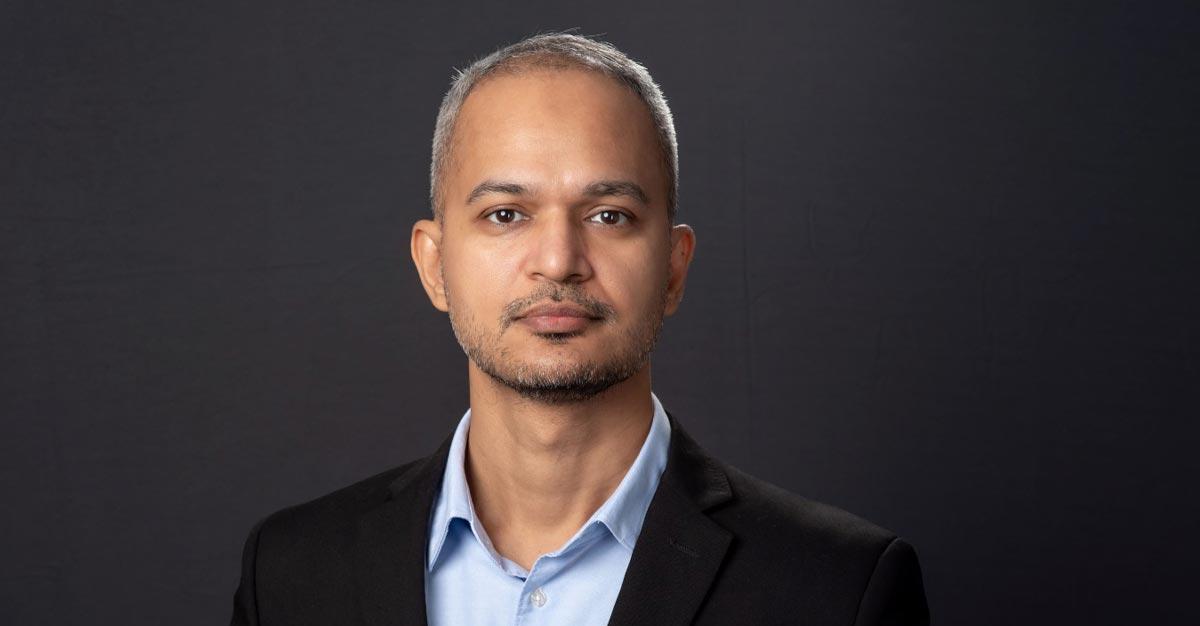
Explore expert perspectives on the uncertain impact of the India-U.S. trade deal, the return of FIIs, key trends observed during the Q3 earnings season, and the message for mutual fund investors.
✨ मुख्य निष्कर्ष
What is your view on the India-U.S. trade deal? Will it act as a near-term market trigger or lead to a long-term structural rerating for India?
The deal is still being negotiated. A recent US Supreme Court ruling has deemed some prior tariffs illegal. That adds uncertainty. On a relative basis, India was among the last major economies to end formal deal talks. The delay created an overhang on sentiment. But it probably has been a blessing in disguise. India has signed or is negotiating trade agreements with the EU, UK, GCC, and Southeast Asian nations. That is a structural medium-term positive.
Recent FII activity suggests that foreign investors are returning after a prolonged absence. What factors are driving this comeback, and do you see it as sustainable?
Rupee depreciation and slower earnings growth have weighed on FII flows. Both factors are still in play. Monetary policy has turned more supportive. Credit growth is picking up. But it will likely take a few more quarters before earnings growth shows meaningful improvement. That said, investors spend too much time debating flows. Flows do not create value. They can shift the timing of when value shows up in prices. But they do not change the value itself. Flows are usually zero-sum. When FIIs buy, DIIs tend to sell, and vice versa. An aggressive buyer or seller can move prices in the short term. Markets eventually return to fair value.
What key earnings trends stood out to you in Q3 results across sectors? Were there any sectors where your conviction changed meaningfully after the Q3 earnings season?
PSU Bank earnings were strong. Their relative stock performance reflects that. Our conviction does not change based on one quarter. That is not how we operate. We would not recommend any investor make big shifts based on a single quarter either.
With the rapid growth of Index Funds and ETFs, is alpha generation becoming structurally harder?
As an active investor, you want everyone else to index. The more money that goes passive, the more mispricing there is in theory. That creates opportunity for active managers. But there is a catch. Mispricing can persist longer. Volatility can be higher. It becomes harder to tell signal from noise. So active funds may need more patience than before.
Hybrid Funds are often positioned as an all-in-one solution. For which category of investors are they most suitable?
Most people underestimate how efficient hybrid funds are. All asset rebalancing happens inside the fund in a Tax-efficient way. In a 70:30 equity-debt hybrid, even the debt portion gets taxed at equity rates. Over time, this adds up to a meaningful advantage. Investors also behave better in hybrids. Lower volatility means fewer panic exits. That is a major edge. Most investors are not giving up growth by using hybrids. That belief is wrong.
If you normally run 30 per cent, 50 per cent, or 70 per cent equity with the rest in fixed income, compare your total portfolio return to a comparable hybrid fund. Not just the equity portion but the whole thing. Even elite endowments run complex mixes of equities, alternatives, and commodities. They often trail a simple 70:30 portfolio. If they cannot beat it consistently, a regular investor should not expect to either.
SEBI has been tightening Mutual Fund regulations and reviewing expense structures. How does regulation influence portfolio decisions?
Regulations around market-cap limits and stock-level limits affect portfolio construction. We factor those in. Expense-related changes do not influence our investment decisions at all.
What message would you like to share with first-time investors entering today’s dynamic and often unpredictable markets?
Most investors are busy with life. Work. Family. Deadlines. Children. Bills. The occasional sleepless night. They do not have time to study markets closely. They should pick one or two categories based on their goals and risk appetite. They can index or choose three active fund managers. They should avoid activity and churn. They should have a ten-year lens at least and not ask what the market will do next year. My suggestion is: do not rush, keep it boring, remember, time does the heavy lifting.