Why Having Health Insurance No Longer Means You Are Financially Protected
 हमसे जुड़ें
 हमें फ़ॉलो करें
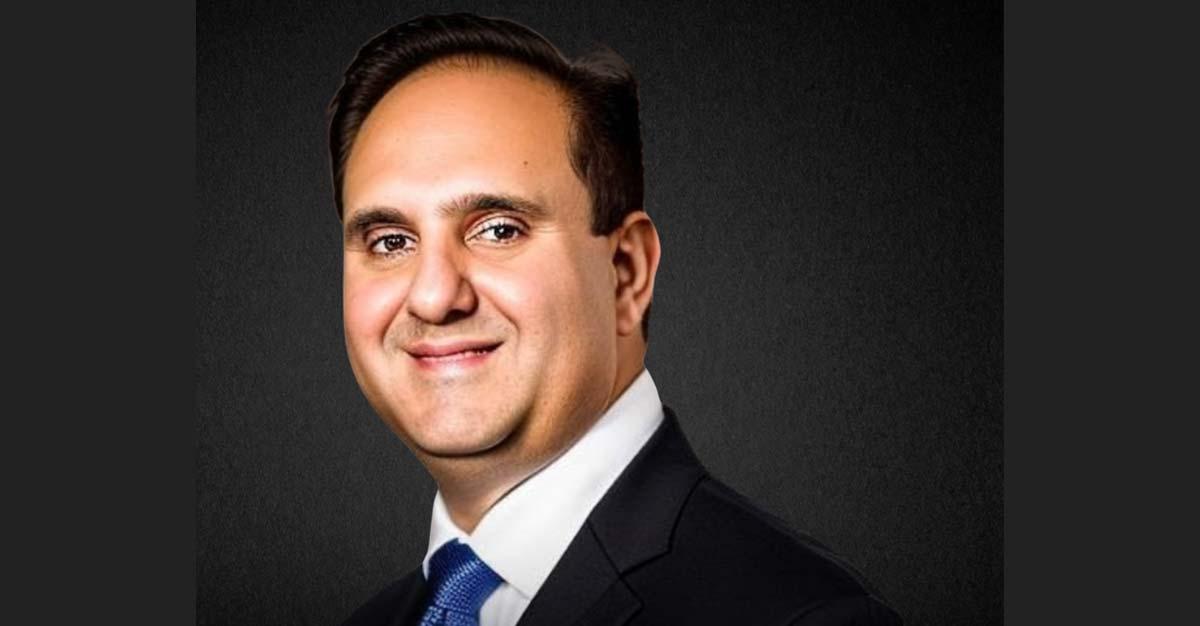
The article was authored by Sanjiv Bajaj, Joint Chairman & MD, Bajaj Capital
✨ मुख्य निष्कर्ष
There was a time when buying health insurance felt like crossing an important milestone. You compared plans, filled out forms, paid your premium, tucked the policy document away, and moved on with life. It was reassuring. You have done what responsible people do. If a medical emergency ever came, you believed you were prepared.
For years, that belief was enough. But somewhere along the way, healthcare changed much faster than our understanding of insurance did. Today, many families still feel protected because they own a health insurance policy. The difficult question is whether that policy would actually protect their finances when they need it the most.
Increasingly, those are becoming two very different things. India deserves credit for the remarkable strides it has made in expanding health insurance coverage. Millions more people now have access to protection through government schemes, employer benefits, and individual policies than they did a decade ago.
Yet, as insurance awareness grows, another challenge is quietly emerging. The conversation can no longer stop at ‘Do you have health insurance?’ It must evolve into ‘Is your health insurance still enough?’ Our latest research at Bajaj Capital Insurance Broking reveals something surprisingly simple yet deeply concerning. Nearly four out of every ten people cannot even tell us the sum insured on their own health insurance policy. Almost one in three cannot estimate what a serious hospitalisation would cost today. And perhaps most tellingly, more than half acknowledge that medical costs are rising rapidly, yet have not upgraded their coverage.
Most of us think about health insurance only at two moments, when we buy it and when we need it. Everything in between is often forgotten. The irony is that health insurance is probably the only financial product whose effectiveness quietly changes over time without us noticing.
- Your life changes.
- Your income changes.
- Your responsibilities change.
- Healthcare costs certainly change.
But your insurance cover often remains exactly where it was years ago.
Imagine buying a home twenty years ago and assuming its construction cost would never increase. Or believing your child's education expenses would remain frozen forever. We instinctively understand that these costs rise over time. Healthcare is no different.
Medical inflation has fundamentally altered the economics of treatment. Procedures that were once considered expensive have become routine, while newer technologies, advanced medicines, longer recovery periods, and specialised care continue to push costs upward.
The result is that a policy which once appeared generous may no longer provide the financial cushion it was originally intended to offer. Yet many families continue to judge their protection by a simple question: ‘Do we have insurance?’ instead of asking the more important one: ‘Would this insurance actually protect our savings today?’
That distinction matters. Because financial protection is not determined by owning a policy. It is determined by whether your coverage matches today's healthcare realities. This shift also changes how we should think about insurance awareness. For years, awareness campaigns focused on encouraging people to buy health insurance. That message remains important.
But today's consumer needs a different kind of awareness as well.
- Understanding one's sum insured.
- Reviewing coverage periodically.
- Recognising when family circumstances have changed.
- Knowing whether existing protection still aligns with current medical costs.
These may sound like small financial habits, but together they make the difference between confidence and vulnerability. The encouraging news is that awareness is already improving.
More Indians are talking openly about financial planning than ever before. Families are becoming increasingly comfortable discussing healthcare costs. Young professionals are entering the insurance ecosystem earlier than previous generations.
The foundation is strong. The next step is helping policyholders move beyond ownership towards understanding. Because health insurance should never become a document we file away and forget. It should be a living part of our financial planning, reviewed just as regularly as our investments, savings, and long-term goals.
Financial security is not created on the day we purchase a policy. It is created through the decisions we continue to make afterwards.
As India continues its journey towards greater financial resilience, success will not be measured only by how many people own health insurance. It will also be measured by how many truly understand the protection they have, recognise when it needs to evolve, and ensure it continues to safeguard the people who matter most.
Perhaps that is the next chapter of insurance awareness. Not simply helping more Indians become insured. But helping every insured Indian become genuinely protected.
Disclaimer: The opinions expressed above are of the author and may not reflect the views of DSIJ.