RBI's new measures on restructuring Bad Loans
 Join Us
 Follow Us
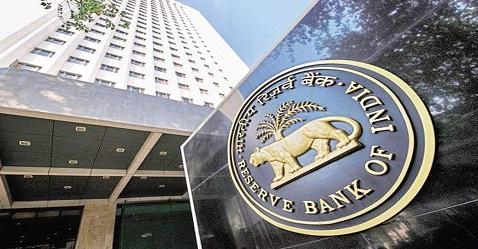
Indian banks had Rs 1.43 trillion Net Non Performing Assets (NPAs) as on FY 2014. The Public Sector Banks (PSB) contributed around 91.56 per cent of net NPAs. State Bank of India and its associates itself having a net NPA of Rs 418151 million.
Indian banks had Rs 1.43 trillion Net Non Performing Assets (NPAs) as on FY 2014. The Public Sector Banks (PSB) contributed around 91.56 per cent of net NPAs. State Bank of India and its associates itself having a net NPA of Rs 418151 million. The NPA will expand about 150 basis points to 5.9 per cent in current financial year on yearly basis as per rating agency ICRA. RBI has introduced new measures and tightened the norms to handle the huge mountain of bad loans.
If the borrowers now fail to repay loans then the lenders have the right for adjusting the outstanding loans by converting them into a equity stake under the guidance of Strategic Debt Conversion (SDR). The conversion of debt to equity should happen within 30 days after review of accounts. This decision should be approved by a minimum of 75 per cent of creditors by value and 60 per cent creditors by number and should be well documented by Joint Lenders Forum (JLF). Then Lenders must approve SDR within 90 days after taking such a decision. After conversion, lenders must have 51 per cent or majority equity stake.
The debt to equity conversion will be capped with market price for listed companies and book value of latest balance sheet for unlisted companies. This conversion will not take place at the face value of the company. This valuation will be done on 'reference date' that refers to the date on which the decision was taken by JLF to undertake SDR. This conversion will continue for a period of 18 months from reference date with a assigned 150 per cent risk weight.After this period only banks can divest their holdings in the equity of the company. During this period, JLF should closely monitor company's performance and appoint professional management.
The new promoter should not be a person/entity/subsidiary/associate from the existing group. The new promoter should acquire 51 per cent of equity stake and if the promotor is a non resident and the sectors where ceiling on foreign investment is less than 51 per cent then should acquire 26 per cent or up to the applicable foreign investment limit. Banks may refinance the existing debt of the company considering the changed risk profile and will be assigned risk weights as per the existing capital adequacy regulations.
The new norms will create more pressure on promoters to settle bad debts. However, lenders have to assess their capability for converting bad loans to equity in respect of availability of expertise.
This RBI's move is in favour of banks and therefore today Bank Nifty surged to 17510.15 with 0.44 per cent increment in intraday. This new move by RBI signifies that profit of banks will increase on long term basis. Overall, banking industry - a backbone of economy, will get stronger. The RBI’s move is definitely a positive for the banking sector specifically for PSU banks.
If you want to stay updated with the Share Market News Today, keep a close watch on the Indian Stock Market Today with real time movements like Sensex Today Live and overall trends. Investors tracking IPO Allotment Status, IPO News Today, or the Latest IPO India can also follow daily updates along with BSE Share Price Live data. Whether you are learning How To Invest in Stock Market in India, preparing for a Market Crash Today, or searching for the Best Stocks to Buy in India, insights on Top Gainers Today India, Top Losers Today India, Trending Stocks India and Long Term Stocks India help in making informed investment decisions.
Stay informed, stay disciplined, and make smarter investment choices with timely and reliable market insights.