Things to know about Spectrum and New spectrum trading norms
 Join Us
 Follow Us
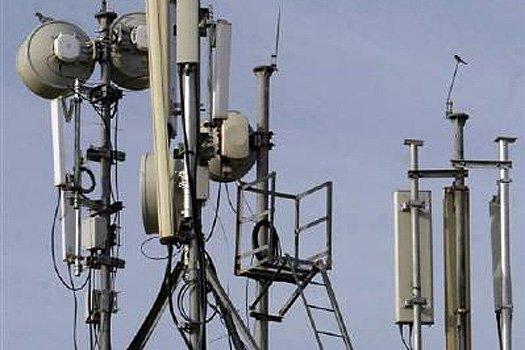
Telecom Commission on Thursday approved the spectrum trading and sharing guidelines that were recommended by Telecom Regulatory Authority of India. Rakesh Garg, chairman of Telecom Commission and secretary, department of telecommunications, said that, “We have finalised the view on spectrum sharing and trading guidelines. We will try to send the norms to the Cabinet by the end of this month,”
Government of India has selected two spectrum, 900 MHz and 1800 MHz, to be auctioned to telecom companies. Higher frequencies can carry more data per second. As in the case of radio, any company winning the license of using a frequency has a natural monopoly over the band. Like land, mineral, oil, gas and water are the exclusive property of a state, so are radio frequencies. The government manages these frequencies, as it is scarce, for various uses like telecom, radio, television and defense. New technologies such as 2G, 3G and 4G have further created a need for more spectrums. Government splits and organizes the bidding of the frequencies by dividing into circles (cities or states) and assigning to various users.Bid winners get the exclusive right to use the spectrum. Those who have lost the bid in that area will not be able to operate in that area or circle. Bid losers will not be able to get subscribers in the area where they do not have a licence. Suppose, if a consumer has a connection of a particular telecom operator and he/she travels to an area where the operator is not present then in that case he/she will be charged interconnect user charges.
Telecom Commission on Thursday approved the spectrum trading and sharing guidelines that were recommended by Telecom Regulatory Authority of India. Rakesh Garg, chairman of Telecom Commission and secretary, department of telecommunications, said that, “We have finalized the view on spectrum sharing and trading guidelines. We will try to send the norms to the Cabinet by the end of this month,”
As per new norms, spectrum sharing can be done only between two operators in a circle and in all the bands. But operators need to have spectrum in those bands. Spectrum usage charges would increase by 0.5 per cent in case of sharing. Spectrum sharing can be done upto 25 per cent out of total spectrum cap assigned in a circle & 50 per cent in a band. However, only 50 per cent of the spectrum held by the other operator in the band being shared would be counted as additional spectrum. Because of spectrum caps, sharing between two big operators is practically impossible across circles. So, it is more advantageous to the smaller operators.
Spectrum trading can be done only for spectrum bought through auction or paid for at market rates. Trading will attract a 1 per cent transfer fee on the transactional amount or prescribed market price, whichever is higher. There is also a lock-in period of two years, on spectrum that an operator buys before it can trade in it again. New trading norms are ideal for operators who want more spectrums. It also helps targeted M&A in the space.
According to the CLSA reports it is cleared that, Bharti has almost 18 per cent of the total operator spectrum in India, while Vodafone has only about 11 per cent. Also, Bharti can offer 3G services in 21 of 22 circles versus only 15 for Vodafone. Bharti Airtel generated mobile revenue of Rs 52000 crore from India alone last year, higher than Vodafone’s India revenue by 23 per cent.
If you want to stay updated with the Share Market News Today, keep a close watch on the Indian Stock Market Today with real time movements like Sensex Today Live and overall trends. Investors tracking IPO Allotment Status, IPO News Today, or the Latest IPO India can also follow daily updates along with BSE Share Price Live data. Whether you are learning How To Invest in Stock Market in India, preparing for a Market Crash Today, or searching for the Best Stocks to Buy in India, insights on Top Gainers Today India, Top Losers Today India, Trending Stocks India and Long Term Stocks India help in making informed investment decisions.
Stay informed, stay disciplined, and make smarter investment choices with timely and reliable market insights.