SEBI’s surprise move creates market turbulence
 Join Us
 Follow Us
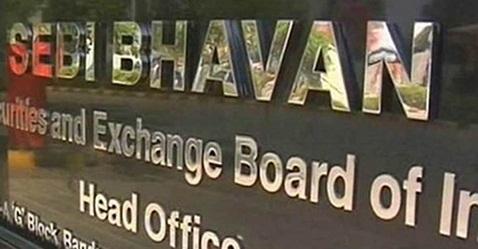
Securities and Exchange Board of India (SEBI) has moved 331 stocks to stage VI of Graded Surveillance Measure (GSM) in which trading in these identified securities shall be permitted only once a month under the trade-to-trade category.
In a surprising move for the markets, market regulator Securities and Exchange Board of India (SEBI) has moved 331 stocks to stage VI of Graded Surveillance Measure (GSM) in which trading in these identified securities shall be permitted only once a month under the trade-to-trade category.
Out of these 331 stocks, 162 are listed entities and SEBI has directed the exchanges to identify the companies and initiate measures, including a forensic audit to verify the company credentials/fundamentals. SEBI has identified these entities as shell companies on the basis of a heads up given by the Ministry of Corporate Affairs.
A shell company is a corporate entity which does not have significant assets or any active business operations. The company has nominal paid-up capital and minimum fixed assets. It also has nominal expenses, low turnover, and operating income. The markets are still waiting for clarification regarding the reasons for SEBI’s identification of 331 suspected shell companies. Some of these companies include popular names like J Kumar Infraprojects, Parsvnath Developers, Prakash Industries and SQS India BFSI. Meanwhile, during Tuesday’s trading session there was high selling pressure in the market in various sectors with the exception of the Metal index.
Some experts believe that the market regulator should have given a chance for these companies to prove that they were not shell companies. However, this supposedly harsh action of the Ministry of Corporate Affairs (MCA) and SEBI has given rise to negative sentiments in the markets. According to SEBI’s directive, if the exchanges do not find appropriate credentials or fundamentals about the existence of the company, they should initiate the process for compulsory delisting of these companies.
If you want to stay updated with the Share Market News Today, keep a close watch on the Indian Stock Market Today with real time movements like Sensex Today Live and overall trends. Investors tracking IPO Allotment Status, IPO News Today, or the Latest IPO India can also follow daily updates along with BSE Share Price Live data. Whether you are learning How To Invest in Stock Market in India, preparing for a Market Crash Today, or searching for the Best Stocks to Buy in India, insights on Top Gainers Today India, Top Losers Today India, Trending Stocks India and Long Term Stocks India help in making informed investment decisions.
Stay informed, stay disciplined, and make smarter investment choices with timely and reliable market insights.