FRDI Bill controversy: What does it mean for you?
 Join Us
 Follow Us
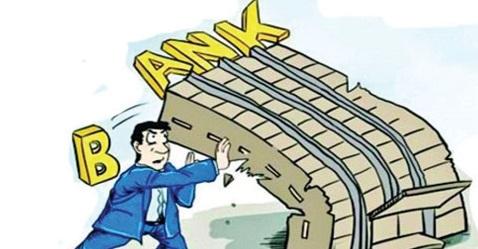
The controversial bill, the Financial Resolution and Deposit Insurance (FRDI) Bill, concerning the resolution mechanism for banking institutions is a long way from witnessing the day break.
The controversial bill, the Financial Resolution and Deposit Insurance (FRDI) Bill, concerning the resolution mechanism for banking institutions is a long way from witnessing the day break.
Despite the pressing need to reform the banking system the bill has been delayed. Tabled during the monsoon session of the Parliament, the discussions over the bill which were due in the winter session got deferred after some clauses of the bill saw strong opposition from several quarters.
Although the resolution mechanism and especially that of non-performing assets is yet to be finalised, Section 52 of the proposed bill has invited a lot of criticism. This section of the proposed bill suggests that the depositor’s money can be used for the resolution of the banking institution in case of bankruptcy. The bill also recommends the establishment of a Resolution Corporation (RC) which will be solely in-charge for the failed financial institution and its exit mechanism. The RC will have the authority to chalk out the resolution plan of the financial institutions through the means of bail-in, in-house resources or other methods, as per the RC’s discretion. The bail-in method includes the usage of the depositors’ money, entirely or by a proportion, for the resolution of the institutions.
Till now, India’s financial institutions have been subject to bail-outs mostly through government intervention, in case of financial crisis. The bail out methods includes the resolution of stressed assets through support from outside and recapitalisation from the budget.
At present, according to the Deposit Insurance and Credit Guarantee Corporation Act, 1961, a deposit insurance of up to Rs. 1 lakh is provided to the depositors. Thus, according to the prevailing laws, the amount in excess of the Rs. 1 lakh will be seized for the resolution of the financial institution in the event of bankruptcy. However, the proposed new bill, FRDI Bill, 2017, has proposed a repeal of the current deposit insurance. The bill is likely to witness crucial revamps before being tabled in the parliament for discussions again.
The final decision on the FRDI Bill will be the risk determining factor for the deposits you have parked in your banks. In the event of the abolishment of deposit insurance provision, the depositors will have to be more cautious about their savings and investment options.
If you want to stay updated with the Share Market News Today, keep a close watch on the Indian Stock Market Today with real time movements like Sensex Today Live and overall trends. Investors tracking IPO Allotment Status, IPO News Today, or the Latest IPO India can also follow daily updates along with BSE Share Price Live data. Whether you are learning How To Invest in Stock Market in India, preparing for a Market Crash Today, or searching for the Best Stocks to Buy in India, insights on Top Gainers Today India, Top Losers Today India, Trending Stocks India and Long Term Stocks India help in making informed investment decisions.
Stay informed, stay disciplined, and make smarter investment choices with timely and reliable market insights.