Rupee becomes the world's third worst performing currency
 Join Us
 Follow Us
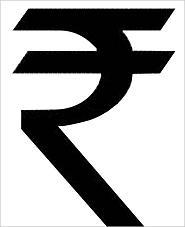
The woes of Indian investors do not seem to be abating. The global risk aversion and India’s widening current account deficit have dragged the rupee close to all-time low levels against the dollar.
After losing about 15% against the dollar in the past 3 months and hovering close to the Rs 51 mark over the past 2 trading sessions, the rupee has finally managed to cross the Rs 51 mark, and is currently seen trading at a day's low of Rs 51.3250, marginally off its all-time low of Rs 51.97 seen in March 2009. A consistent demand from oil importers, along with a strengthening dollar and fund outflows have all been adding to the rupee’s woes.
In the recently-concluded Q2 earnings season, companies have suffered largely on account of foreign borrowings, and have seen their interest outflow on the borrowings shoot up considerably.
At Rs 51, the Indian rupee is the world’s 3rd-worst performing currency this year, next only to the Turkish Lira, which is down 17%, and the Kenyan Shilling, which has lost 15%. It is also Asia’s worst-performing currency. The consensus on the street says that the rupee will keep sliding for a while, due to a combination of unfavourable global and local factors.
However the moot question that investors are asking is, "What’s happening to the rupee?" One of the chief reasons for the sharp slide in the rupee is the seemingly never-ending sovereign debt crisis of the Euro zone, which continues to keep global investors on the edge. As a result, the investors are continuing to pull money out of the relatively riskier emerging market assets, to dive into safer havens like the US dollar. This has created a scarcity of dollars in the international market, which has fueled the rise in dollar value.
Foreign investors have also been put-off as a result of the continued slowdown, persistently high inflation and a muted set of corporate earnings. FIIs have only bought USD 663 million worth of Indian equities this year, sharply down from the USD 29 billion they invested in 2010, according to data from SEBI. Not surprisingly, the benchmark Sensex is also down by 20% this year. With the economy pegged to grow at just 7.5% in the current fiscal, coupled with the over-shooting fiscal deficit target, it would be a quite some time before FIIs show interest in our markets again.
Moreover, India remains a net importer of foreign goods, and a third of that consists of oil imports. Oil companies import around USD 6 billion worth of crude every month. A falling rupee will increase the cost of imports (in local currency terms), which increases the current account deficit. This deficit can be funded either through foreign direct investments or foreign portfolio investments (in equity/debt markets). But as we all know, foreign investments in local assets such as stocks have been low. Meanwhile, the current account gap continues to widen, adding to investors' worries.
Further, with foreign currency reserves of USD 311 billion (at the end of September 2011) and imports for the month worth about USD 35 billion, India now has the lowest import cover of 8-9 months. This is the lowest in the last decade, and worries investors because with the increasing cost of oil imports, there will be further demand for the dollar, which would drive down the value of the rupee further.
Hopes of the RBI intervening in the foreign exchange market to boost the rupee have dimmed after Deputy Governor Subir Gokarn said that the central bank did not plan on changing its policy of intervening in foreign-exchange markets only in times of excessive volatility. That means that investors cannot expect the RBI to swoop in and lift the rupee each time it hits a new low against the dollar.
Considering all the above mentioned factors, we, at DSIJ, expect the rupee to keep going downhill for a while.
After losing about 15% against the dollar in the past 3 months and hovering close to the Rs 51 mark over the past 2 trading sessions, the rupee has finally managed to cross the Rs 51 mark, and is currently seen trading at a day's low of Rs 51.3250, marginally off its all-time low of Rs 51.97 seen in March 2009. A consistent demand from oil importers, along with a strengthening dollar and fund outflows have all been adding to the rupee’s woes.
In the recently-concluded Q2 earnings season, companies have suffered largely on account of foreign borrowings, and have seen their interest outflow on the borrowings shoot up considerably.
At Rs 51, the Indian rupee is the world’s 3rd-worst performing currency this year, next only to the Turkish Lira, which is down 17%, and the Kenyan Shilling, which has lost 15%. It is also Asia’s worst-performing currency. The consensus on the street says that the rupee will keep sliding for a while, due to a combination of unfavourable global and local factors.
However the moot question that investors are asking is, "What’s happening to the rupee?" One of the chief reasons for the sharp slide in the rupee is the seemingly never-ending sovereign debt crisis of the Euro zone, which continues to keep global investors on the edge. As a result, the investors are continuing to pull money out of the relatively riskier emerging market assets, to dive into safer havens like the US dollar. This has created a scarcity of dollars in the international market, which has fueled the rise in dollar value.
Foreign investors have also been put-off as a result of the continued slowdown, persistently high inflation and a muted set of corporate earnings. FIIs have only bought USD 663 million worth of Indian equities this year, sharply down from the USD 29 billion they invested in 2010, according to data from SEBI. Not surprisingly, the benchmark Sensex is also down by 20% this year. With the economy pegged to grow at just 7.5% in the current fiscal, coupled with the over-shooting fiscal deficit target, it would be a quite some time before FIIs show interest in our markets again.
Moreover, India remains a net importer of foreign goods, and a third of that consists of oil imports. Oil companies import around USD 6 billion worth of crude every month. A falling rupee will increase the cost of imports (in local currency terms), which increases the current account deficit. This deficit can be funded either through foreign direct investments or foreign portfolio investments (in equity/debt markets). But as we all know, foreign investments in local assets such as stocks have been low. Meanwhile, the current account gap continues to widen, adding to investors' worries.
Further, with foreign currency reserves of USD 311 billion (at the end of September 2011) and imports for the month worth about USD 35 billion, India now has the lowest import cover of 8-9 months. This is the lowest in the last decade, and worries investors because with the increasing cost of oil imports, there will be further demand for the dollar, which would drive down the value of the rupee further.
Hopes of the RBI intervening in the foreign exchange market to boost the rupee have dimmed after Deputy Governor Subir Gokarn said that the central bank did not plan on changing its policy of intervening in foreign-exchange markets only in times of excessive volatility. That means that investors cannot expect the RBI to swoop in and lift the rupee each time it hits a new low against the dollar.
Considering all the above mentioned factors, we, at DSIJ, expect the rupee to keep going downhill for a while.
If you want to stay updated with the Share Market News Today, keep a close watch on the Indian Stock Market Today with real time movements like Sensex Today Live and overall trends. Investors tracking IPO Allotment Status, IPO News Today, or the Latest IPO India can also follow daily updates along with BSE Share Price Live data. Whether you are learning How To Invest in Stock Market in India, preparing for a Market Crash Today, or searching for the Best Stocks to Buy in India, insights on Top Gainers Today India, Top Losers Today India, Trending Stocks India and Long Term Stocks India help in making informed investment decisions.
Stay informed, stay disciplined, and make smarter investment choices with timely and reliable market insights.