Effects Of The Rupee Appreciation
 Join Us
 Follow Us
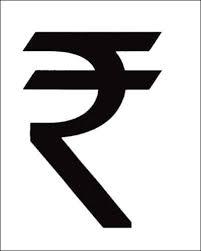
The Indian rupee had depreciated to a lifetime lower level of Rs 68.85 against one USD in 2013. But due to a strong forex inflow the rupee has now touched its highest level of Rs 60.19 in last eight months. But will this appreciation be helpful to Indian industries is the big question on the minds of investors.
After a continuous fall and touching the lifetime lowest level of Rs 68.85 per dollar on August 28, 2013, the Indian rupee (INR) is now witnessing some stabilisation from the past couple of months in the range of Rs 60-62 per dollar. The Indian rupee has come down to an eight-month lowest level of Rs 60.19 per dollar (March 27, 2014). Although, the recovery in INR is a positive sign for the economy, however there are a few specific sectors in India which will be affected with this strengthening.
A sharp appreciation in rupee has been seen from the past few days, backed by the strong inflow of foreign exchange (forex) from foreign investors in the country. The rupee has reached at its highest level in the past eight-months. Market analysts believe that this appreciation in INR is a positive sign for the economy and expect the rupee to stabilise and become stronger on account of various macroeconomic factors. However, in the period from January till March, it has been a general practice by the foreign companies having units in India, to outflow their money before the end of 31st March every year. So, it may be possible that the outflow may reduce from the 1st April, which may lead to easing pressure on buying of foreign exchange.
As far as the Current Account Deficit (CAD) is concerned, the steep appreciation in INR will definitely help to narrow down the gap of CAD (which is the difference between inflow and outflow of forex) and may give some relief to the government. However, there are concerns over the export oriented sectors in India. Few of the sectors such as IT, Pharmaceutical, Textile and Automobile will be impacted by the appreciating INR. The sales realisation in INR terms will decrease due to strengthening of Indian rupee. In IT sector major players like TCS, Infosys, Wipro, HCL Technologies will be largely affected on profitability front. Also the Pharma companies like Sun Pharmaceutical Industries, Glenmark, Cipla etc., will get impacted. As we move on to the textile sector, the sector is itself suffering through lower margins and the appreciating rupee will further contract the margins of such companies. Auto companies like Bajaj Auto, Tata Motors, M&M will also get impacted on export front.
Further, if we look at the industry which will be benefitting from the INR appreciation are, the FMCG, real estate and infrastructure industry on account of reduced input cost and other related expenses. Moreover, the impact of appreciating Indian currency will benefit marginally to the crude oil prices as most of the energy products are market linked. The biggest benefit of INR appreciation to the economy will be the reduction in present high inflation. The lower level of inflation is expected to give the central bank some comfort for easing the borrowing rates which are considerable at present scenario. The lower interest rates definitely boost fresh capital expenditure and start showing some impetus for capital circulation in the economy.
If you want to stay updated with the Share Market News Today, keep a close watch on the Indian Stock Market Today with real time movements like Sensex Today Live and overall trends. Investors tracking IPO Allotment Status, IPO News Today, or the Latest IPO India can also follow daily updates along with BSE Share Price Live data. Whether you are learning How To Invest in Stock Market in India, preparing for a Market Crash Today, or searching for the Best Stocks to Buy in India, insights on Top Gainers Today India, Top Losers Today India, Trending Stocks India and Long Term Stocks India help in making informed investment decisions.
Stay informed, stay disciplined, and make smarter investment choices with timely and reliable market insights.