RBI To Maintain Its Status Quo
 Join Us
 Follow Us
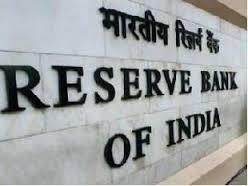
As we are entering into the next financial year, RBI is considering the monetary policy review for the year 2014-15. RBI has scheduled the annual monetary policy review for 2014-15 on 1st April 2014.
In an emerging country like India, Inflation is one of the major concerns for common people and the government too. If we look at the current scenario of India, the retail inflation, which is also called Consumer Price Index (CPI) is at its lowest level in the last 24 months. It stood at comfortable level of 8.1% for the month of February 2014 against the month of November 2013. The inflation was at its highest level of 11.16% in November 2013, in the last 24 months period. The Wholesale Price Index (WPI), which measures the wholesale price of goods in country stands at 4.68% for February 2014, lower from the month of January 2014 (5.05%). Also, supported by the increased inflow from foreign investors the Indian Rupee has shown improvement from past few weeks. The rupee has seen a continuous deprecation in the past couple of years. However, currently, the trend has reversed and the Rupee is at its highest level of 59.91 per dollar, since August 2013. Further, the foreign currency reserves has also raised to USD 297 billion.
As we are entering into the next financial year, RBI is considering the monetary policy review for the year 2014-15. RBI has scheduled the annual monetary policy review for 2014-15 on 1st April 2014. In its previous third quarter monetary policy review, the RBI has raised the interest rate by 0.25% to 8% held in the month of January 2014. The rate hike was to control both the inflation which was about 9.87% in the month of December 2013, higher than the level expected by RBI and the continuous depreciation in INR. Earlier the RBI had indicated, its major priority would be to control inflation and bring it down to a reasonable levels.
Meanwhile, recently India Ratings & Research (IRR) has came up with a report, which says that if RBI hikes the interest rates, it may increase the debt burden on the BSE 500 companies and may push corporates over default cliff. It also indicated, the further 25-50 basis points rise in the interest rates in the coming three to six months period, may increase the number of defaulting corporates in country by 14-15%. In the report, IRR suggested, for the 9MFY14 about 15% of the corporates debt were under financial stress or approaching to that.
Further, if we consider the present scenario, the inflation is at its lowest level in last 2 years, the increased foreign currency inflow supporting the strengthening of rupee, and improved foreign currency reserves may give RBI some breather to lower the interest rates. However, looking at inflation spike in last six post election period, RBI will maintain its status quo in the tomorrow's monetary policy review.
If you want to stay updated with the Share Market News Today, keep a close watch on the Indian Stock Market Today with real time movements like Sensex Today Live and overall trends. Investors tracking IPO Allotment Status, IPO News Today, or the Latest IPO India can also follow daily updates along with BSE Share Price Live data. Whether you are learning How To Invest in Stock Market in India, preparing for a Market Crash Today, or searching for the Best Stocks to Buy in India, insights on Top Gainers Today India, Top Losers Today India, Trending Stocks India and Long Term Stocks India help in making informed investment decisions.
Stay informed, stay disciplined, and make smarter investment choices with timely and reliable market insights.