BSE Introduces New Closing Auction Session; Over 400 Trading Members Participate Across 200+ Stocks
 Join Us
 Follow Us
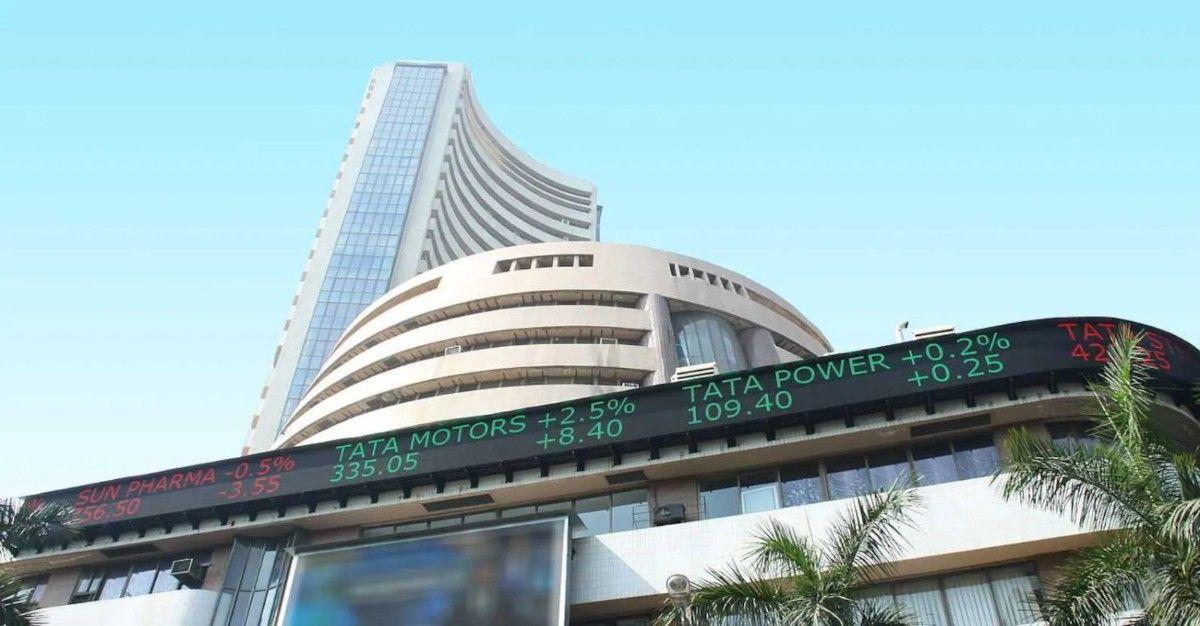
BSE has successfully implemented the Closing Auction Session (CAS) as per SEBI guidelines, enabling a transparent and efficient price discovery process at the end of the trading day.
✨ Key Takeaways
On Tuesday, Indian equity benchmark indices traded lower, with the benchmark Nifty 50 index falling 143.85 points, or 0.58 per cent, to 24,630.45. Amid the weak market sentiment, BSE Ltd announced the successful implementation of the Closing Auction Session (CAS), a new market mechanism introduced in line with SEBI regulations to improve the process of determining closing prices of securities.
BSE Successfully Implements Closing Auction Session
BSE said the Closing Auction Session (CAS) was successfully rolled out on August 3, 2026, with active participation from more than 400 trading members across over 200 listed securities. According to the exchange, the system functioned smoothly as designed, and the market remained stable throughout the session.
Looking for Quality Mid-Cap Growth Opportunities?
Explore DSIJ’s Mid Bridge - a research-driven service focused on fundamentally strong mid-cap companies with robust business models and long-term growth potential.
Download Service BrochureWhat is the Closing Auction Session?
The Closing Auction Session is a short trading window conducted after the normal market closes. Instead of using the last traded price, the exchange collects buy and sell orders during this period and matches them at a single price where the maximum number of shares can be traded. This price becomes the official closing price of the stock.
A transparent closing price is important because it is used by Mutual Funds, index providers, institutional investors and other market participants for portfolio valuation, index calculations and settlement purposes. The new system is expected to improve price discovery and reduce the impact of large trades placed just before market close.
How the Session Was Conducted
According to BSE, the Closing Auction Session began at 3:15 pm, followed by order entry at 3:20 pm. The auction closed randomly between 3:28 pm and 3:30 pm, after which the final closing reference price was released at 3:32 pm.
A post-closing session was then held from 3:50 pm to 4:00 pm, while trading in the derivatives segment concluded at 3:40 pm as scheduled. The exchange said the system successfully accepted and processed both limit price orders and market price orders, with matching carried out using the prescribed Equilibrium Price methodology.
Market Remained Stable
BSE said the implementation was completed without any operational issues. During the auction, the SENSEX declined only 0.048 per cent from its derived reference price recorded at 3:15 pm, resulting in the introduction of the new mechanism did not disrupt market stability.
Expected Benefits
The exchange said the successful rollout marks an important milestone in strengthening India's market closing process. BSE expects participation in the Closing Auction Session to increase over time as brokers and investors become more familiar with the new system. The exchange also thanked trading members and other market participants for supporting the smooth implementation of the mechanism.
Also Read - Rs 1,686 Crore Record Order Book: This Multibagger Engineering Stock Reports Q1 FY27 Results; Revenue Jumps 8.3% YoY
About BSE Ltd
BSE Ltd is Asia's oldest stock exchange and one of the world's largest exchanges by the number of listed companies. The exchange provides a platform for trading in equities, debt securities, derivatives, currencies, commodities and electronic gold receipts, while also offering market data and mutual fund distribution services.
Add DSIJ as your preferred news source on G o o g l e
Add NowWhat are your views on BSE's new Closing Auction Session? Share your thoughts in the comments below.
Disclaimer: The article is for informational purposes only and not investment advice