Deviating Commodity Prices Will Prevail
 Join Us
 Follow Us
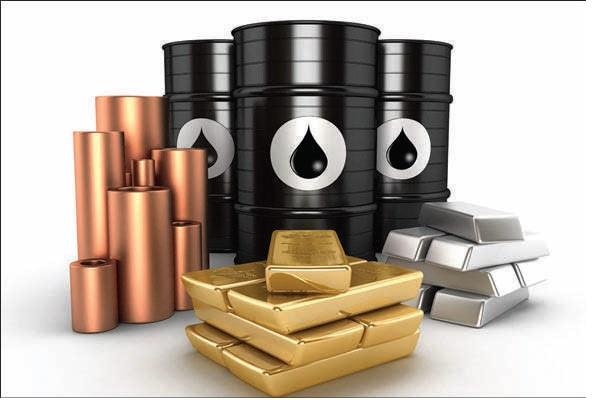
A much-needed increase in global risk appetite was provided by Jerome Powell’s less hawkish remarks and the relaxation of some of China’s pandemic-related restrictions
✨ Key Takeaways
In the past fortnight, the dollar traded strong, supported by safe haven purchases, as China’s increasing virus outbreak and a string of street protests in a rare display of defiance stoked concerns about a government crackdown and an uneven economic recovery. The government, however, moved swiftly and imposed a sizeable police presence, censoring social media and making some minor concessions. Investors’ worries were also eased by the steps taken to support the real estate market which is in trouble and poses a threat to the Chinese financial system.
However, the dollar had a significant decline following Jerome Powell’s statement that “the time for reducing the pace of rate hikes may come as soon as the December meeting.” Despite the central banker’s warnings that the struggle against inflation was far from over, the markets decided to pay attention to his assurance of lesser rate increases. Additionally, much weaker US economic statistics suggested that the Federal Reserve’s aggressive rate hike plan had curbed consumer and business expenditure.
On news that OPEC+ may reduce production, both WTI and Brent crude quickly recovered from an 11-month low. China’s campaign for elderly vaccination was viewed as a critical step toward reopening and raised expectations for an improved demand picture. As stimulus support for the struggling real estate sector was provided by the China Securities Regulatory. 
Commission through the removal of some multi-year restrictions on stock sales by developers, demand prospects improved and base metals soared over the week by 3-8 per cent.
While price volatility was kept high by the uncertainties surrounding European Union’s sanctions on Russian oil and the associated price cap, the sanctions have so far had little effect on the world markets. President Vladimir Putin of Russia, the largest energy exporter in the world, added that his country may reduce oil production and would not sell oil to any nation that imposed a restriction on Russian prices, which he called ‘dumb’, and that was agreed upon by the G7. Concerns over the potential effects of a worldwide recession on oil consumption led to Brent and WTI posting their largest weekly losses in months and reaching lows not seen since December 2021 last week.
Due to the depreciating rupee, MCX Gold February futures concluded the week at Rs 54,295 per 10 gram, recording gains of Rs 445 or 0.83 per cent. Despite this, Comex gold closed unchanged as investors wait for further information on US’ rate increases to come out of the Federal Reserve meeting next week. The Indian rupee lost 1.3 per cent for the week and closed at 82.46 to the dollar. Comex gold prices hovered above USD 1,790 per ounce, but they fell from session highs as the dollar recovered following the release of new PPI data that revealed producer prices in the US increased more than anticipated.
"While price volatility was kept high by the uncertainties surrounding European Union’s sanctions on Russian oil and the associated price cap, the sanctions have so far had little effect on the world markets."