Fiscal deficit at more than permissible levels
 Join Us
 Follow Us
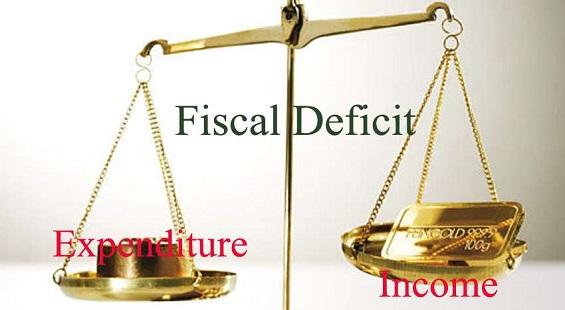
In FY19-20, Sitharaman had chalked out a fiscal deficit target of 3.3 per cent of GDP. The actual fiscal deficit for FY19-20 is seen at 3.8 per cent of GDP, she added
✨ Key Takeaways
Finance Minister Nirmala Sitharaman pegged fiscal deficit for 2020-2021 at 3.5 per cent of GDP in the recent Budget. The fiscal deficit target went up 0.5 per cent for the coming year. The government has utilised escape clause under the FRBM Act, which provides it a leeway for relaxation of fiscal deficit roadmap during the time of stress. In FY19-20, Sitharaman had chalked out a fiscal deficit target of 3.3 per cent of GDP. The actual fiscal deficit for FY19-20 is seen at 3.8 per cent of GDP, she added.
Fiscal deficit has various effects on the economy. The major effects are seen on the interest rates, currency exchange rate and inflation. Larger fiscal deficit means the government needs to fund its deficit with debt thereby, increasing the interest rates in the economy. This makes borrowing costlier for private entities by reducing their profitability. Increasing fiscal deficit also results in the currency devaluation. It makes fiscal deficit an important parameter to track. Increased fiscal deficit also has an impact on the government’s spending power. A larger than expected fiscal deficit, may hurt the infrastructure sector too, as the government has to control its expenditure.