In conversation with Prateek Nigudkar, Senior Fund Manager, Shriram AMC
 Join Us
 Follow Us
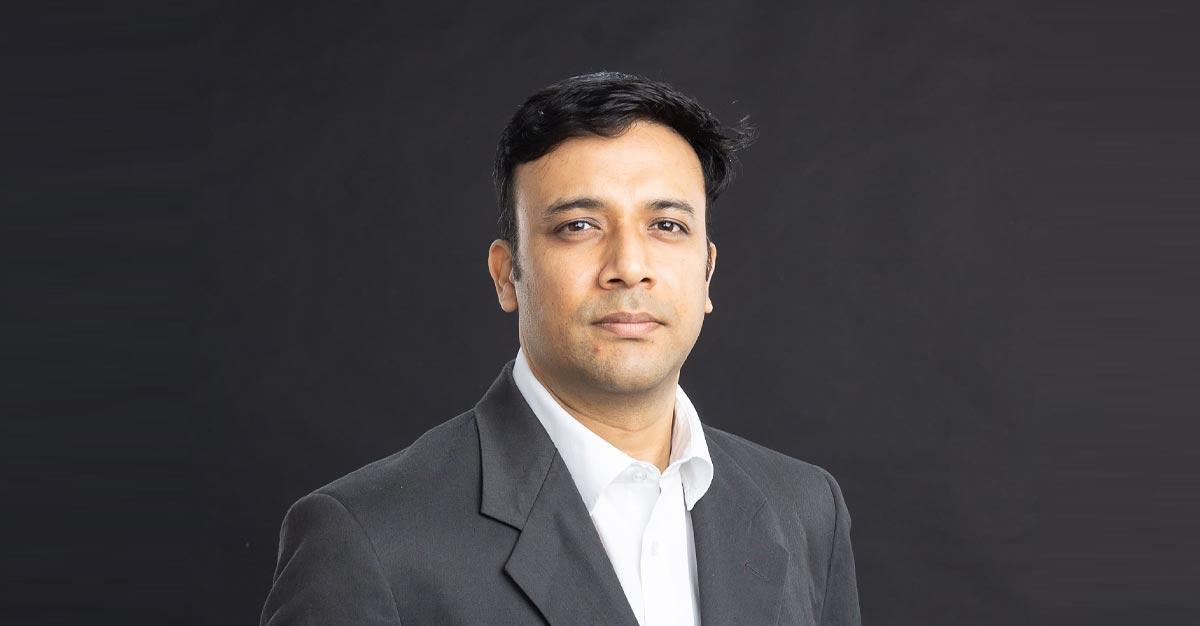
An overview of expert insights on key trends from the Q3 earnings season, promising sectors for investment, increasing inflows into gold and silver funds, and the broader takeaway for mutual fund investors.
✨ Key Takeaways
What were the key takeaways from the latest quarterly earnings season, and which segments delivered positive surprises while which ones disappointed?
The latest quarterly earnings season revealed a mixed but largely constructive picture. Oil and Gas marketing companies, Metals, and Public Sector Banks emerged as the standout performers, consistently beating consensus estimates and reaffirming their fundamental strength. Public Sector Banks, in particular, continued to demonstrate improving asset quality and robust credit growth, while Metals benefited from favourable pricing dynamics.
On the flip side, Hospitals and Cement companies were the notable disappointments of the season. Hospitals faced margin pressures despite strong volume growth, while Cement players struggled with elevated input costs and subdued pricing power in key markets.
Which sectors, in your view, present the most favourable risk-reward opportunities over the next 3-5 years?
Taking long-term sector calls in today's volatile macro environment is admittedly challenging, but there are a few themes we find particularly compelling over a 3-5 year horizon. Oil and Gas remains attractive given India's growing energy demand and improving marketing margins, currently under pressure due to tensions in the Middle East. The Power sector presents a multi-year structural opportunity, underpinned by capacity addition, grid modernisation, and the ongoing energy transition.
Consumer premiumisation remains an important theme to watch, as rising aspirational spending and a gradual shift towards premium products across categories could support well-positioned players over time. Finally, India Internet names offer an exciting growth runway, with several platforms now demonstrating a credible path to profitability alongside scale.
Would you expect foreign inflows to return meaningfully, or will allocations depend primarily on India’s earnings growth?
Meaningful foreign inflows returning to India in the near term appear unlikely. Despite a significant earnings downgrade cycle over the past four quarters, Indian valuations remain elevated relative to several Asian peers, which continues to deter foreign investors looking for better risk-reward opportunities elsewhere. For flows to return in a meaningful way, we would likely need a combination of factors like greater valuation comfort, a revival in earnings growth, and possibly some unwinding of the AI-driven trade that has kept capital anchored in developed markets and select emerging markets such as Taiwan and Korea.
Adding to the complexity are the escalating tensions in the Middle East, which present a fresh headwind. As a large net energy importer, India remains particularly vulnerable to rising crude prices. If energy prices stay elevated for a sustained period, it could further delay the earnings recovery that foreign investors are waiting to see.
Considering the ongoing sharp correction in domestic IT stocks, do you view AI as a disruption threat to IT services companies, or does it remain a significant long-term growth opportunity?
AI is undoubtedly a disruptive force, and certain business models within IT services may face meaningful pressure. However, we believe the market's reaction has been excessive. Indian IT companies have demonstrated a strong ability to pivot. The cloud transition of 2017-18 is a testament to that adaptability, and we expect no different this time. If anything, AI widens the opportunity set. The implementation gap for enterprises adopting AI remains vast and growing, and Indian IT firms are well-positioned to bridge it.
As Jevons Paradox suggests, greater efficiency often drives greater consumption. More AI use cases might ultimately generate more, not less, work. With valuations now looking considerably more reasonable after the sharp correction, we view the risk-reward as increasingly attractive for long-term investors.
With rising inflows into gold and silver funds, do you see investors treating them as tactical hedges or as long-term portfolio allocations?
Historically, astute investors have allocated to precious metals as a strategic portfolio hedge and rightly so. Gold and silver have traditionally offered low-to-negative correlations with equities and relatively subdued volatility, making them effective diversifiers in uncertain environments. However, that dynamic has shifted meaningfully in recent times. The supernormal short-term returns delivered by gold and silver have attracted a wave of retail participation, driven more by momentum than by portfolio construction logic.
This retail influx has introduced unnecessary volatility into what was once a stable, counter-cyclical asset, therefore fundamentally undermining its role as a credible hedge. In many ways, precious metals are beginning to exhibit behavioural traits resembling more of speculative assets like crypto than the safe-haven instruments they were traditionally regarded as. The irony is that the very popularity of gold and silver as hedges may have eroded their effectiveness as one.
What message would you like to convey to investors navigating highly volatile market conditions?
In periods of heightened volatility, the temptation to react is strong, but discipline is what separates good investors from great ones. Our message is simply to stick to your asset allocation and trust your investment framework. Markets would always generate noise, but changing portfolio strategy in response to breaking headlines is rarely rewarded. Avoid chasing short-term returns as they are fleeting, and the associated timing risk is often underappreciated. It is worth remembering that the seeds of strong future returns are invariably sown during periods of poor returns. Volatility is also an opportunity to be harvested, provided you have the patience and conviction to stay the course.