India’s 10 Most Valuable Family Businesses in 2026: Ambanis Lead With Rs 25.83 Lakh Crore Valuation
 Join Us
 Follow Us
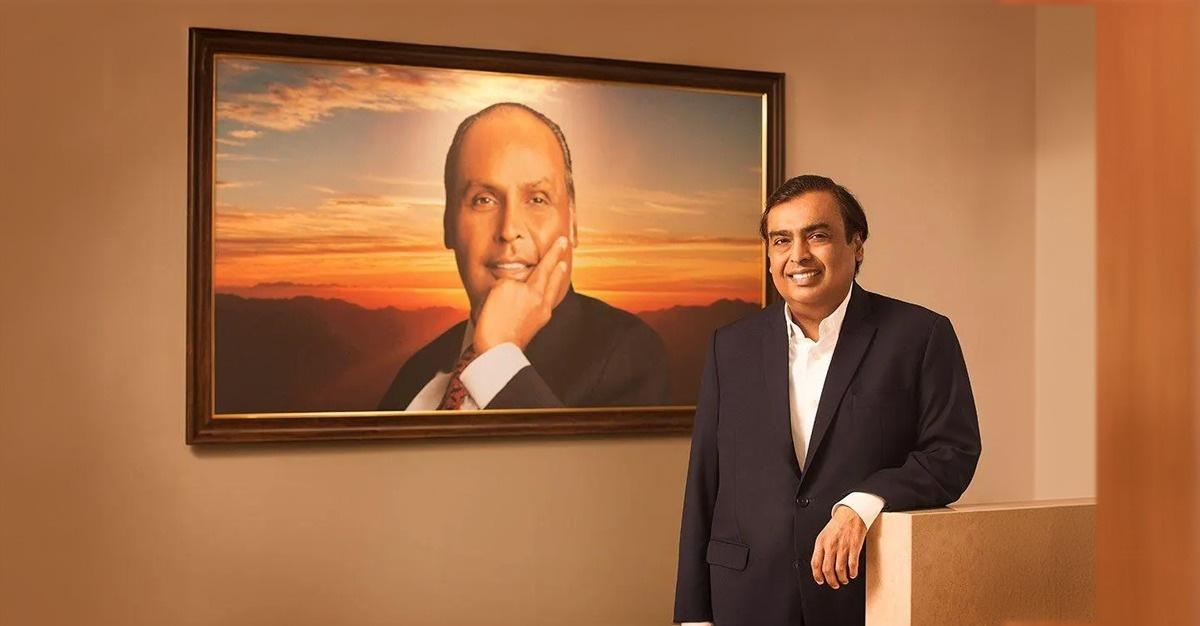
India’s 300 most valuable family businesses are collectively worth Rs 138 lakh crore (USD 1.46 trillion), according to the 2026 Barclays Private Clients Hurun India Most Valuable Family Businesses list released on August 11.
✨ Key Takeaways
India’s 300 most valuable family businesses are collectively worth Rs 138 lakh crore (USD 1.46 trillion), according to the 2026 Barclays Private Clients Hurun India Most Valuable Family Businesses list released on August 11. Their combined value has increased by nearly Rs 30 lakh crore since 2024, marking a 27.5 per cent rise. This amounts to value creation of around Rs 4,076 crore per day over the past two years.
The combined valuation of these family businesses is comparable to the economy of the world’s 18th-largest country and is higher than the GDP of economies such as Saudi Arabia, the Netherlands, Switzerland and Poland. Collectively, these businesses generated Rs 56 lakh crore in revenue and paid Rs 1.9 lakh crore in Taxes, equivalent to around 17 per cent of India’s corporate tax collections.
The Ambani family retained the top position, with Reliance Industries valued at Rs 25.83 lakh crore. Led by Mukesh Ambani, the second-generation business has a diversified presence across energy, retail and digital services. However, the family’s value declined 8.5 per cent.
The Kumar Mangalam Birla family ranked second, with the Aditya Birla Group valued at Rs 8.14 lakh crore. The fourth-generation business has significant interests in cement and cement products. Its value increased 26 per cent year-on-year and 51 per cent over three years.
The Jindal family secured the third position, with JSW Steel valued at Rs 8.02 lakh crore. Led by Sajjan Jindal, the second-generation business recorded a 40 per cent year-on-year increase in value and a 70 per cent rise over three years. The family created the highest absolute value over the three-year period, adding Rs 3.3 lakh crore.
The Bajaj family ranked fourth with a valuation of Rs 7.70 lakh crore. Its value declined 3.9 per cent year-on-year but increased 8.1 per cent over three years. The Mahindra family followed in fifth place at Rs 5.15 lakh crore, with its value falling 5.4 per cent year-on-year while rising 49 per cent over three years.
The Anil Agarwal family ranked sixth, with Vedanta valued at Rs 4.45 lakh crore. Its value surged 75 per cent year-on-year and 212 per cent over three years. The Murugappa family stood seventh at Rs 3.06 lakh crore, recording growth of 4.7 per cent year-on-year and 51 per cent over three years.
The Nadar family ranked eighth, with HCL Technologies valued at Rs 2.91 lakh crore. Its value declined 38 per cent year-on-year and 32 per cent over three years. The Premji family was ninth with Wipro valued at Rs 2.72 lakh crore, down 2.3 per cent year-on-year but up 5.6 per cent over three years.
The Dani, Choksi and Vakil families completed the top 10, with Asian Paints valued at Rs 2.48 lakh crore. The company’s family wealth increased 12 per cent year-on-year but declined 8.5 per cent over three years.
The report also highlighted the growing influence of first-generation entrepreneurs. The Gautam Adani family was the most valuable first-generation family, with a valuation of Rs 19.6 lakh crore, followed by Sunil Bharti Mittal at Rs 12.1 lakh crore.
Among the biggest gainers, the Ahuja family of Shahi Exports recorded the strongest three-year growth, with its wealth surging 352 per cent to Rs 37,500 crore. The Shashikant Bhalchandra Garware family of Garware Hi-Tech Films climbed 61 places after its fortune tripled to Rs 15,600 crore.
The report also highlighted the increasing professionalisation of India’s family businesses. Around 70 per cent of the businesses are now led by the second generation, while 57 businesses are managed by the third generation and 20 have reached the fourth generation. This transition is increasingly supported by professional governance, succession planning and greater institutionalisation.
Disclaimer: The article is for informational purposes only and not investment advice.