India’s 150 GW Coal Expansion Debate: Balancing Renewable Energy and Rising Power Demand
 Join Us
 Follow Us

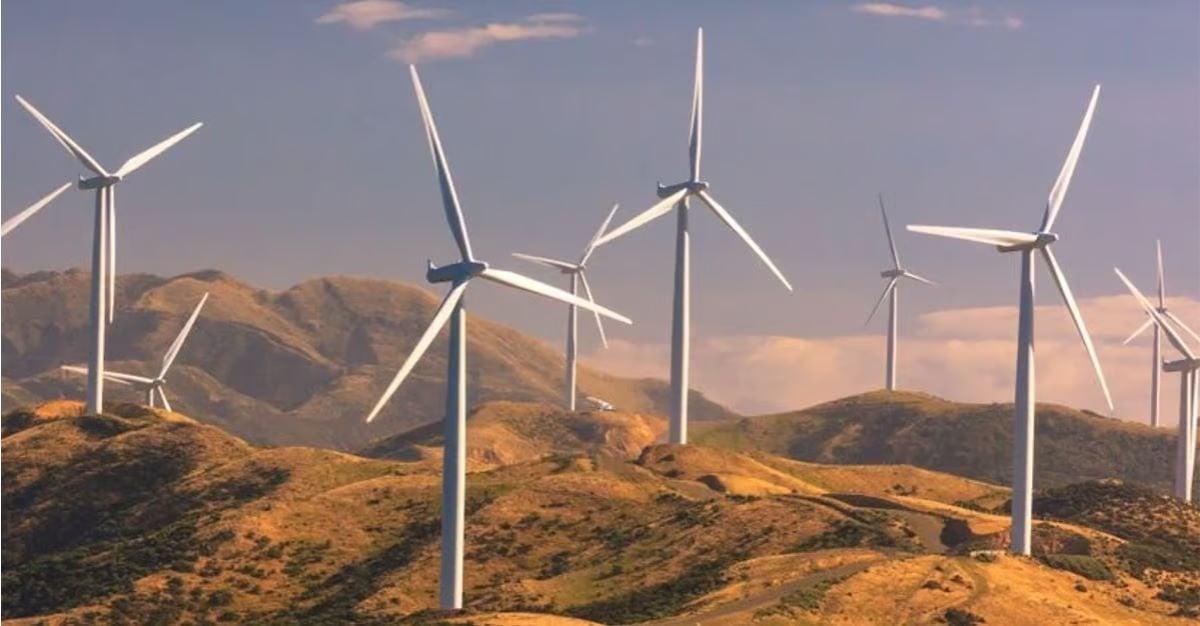
India is balancing rising electricity demand with renewable expansion, coal capacity, energy storage and grid investment to ensure reliable and affordable power supply.
✨ Key Takeaways
India’s electricity system faces a growing challenge as power demand rises alongside the rapid expansion of renewable energy. Solar and wind capacity are increasing, but ensuring a reliable electricity supply after sunset remains a key concern. Recent planning discussions have raised the possibility of adding 105–150 GW of coal-based capacity by 2035, above an earlier expansion benchmark of 97 GW.
Factories, transport, data centres, households and air conditioners require electricity throughout the day, particularly during evening peak hours. A large installed solar capacity does not automatically meet demand when sunlight is unavailable. Wind and hydropower can supplement supply, but their output depends on weather conditions and seasonal variations. Reports indicate that peak electricity demand reached approximately 260 GW on October 5, 2026. An earlier government release confirmed a then-record peak demand of 256.1 GW on April 25.
These figures highlight the scale of electricity supply that grid operators must manage. When generation does not match demand, the system requires dependable power plants, energy storage, flexible generation or demand management. Coal-based power plants currently provide a substantial share of this dispatchable electricity, even as India gradually changes its energy mix.
The Central Electricity Authority’s March 2026 National Generation Adequacy Plan projects approximately 1,121 GW of installed power generation capacity by FY36. The projected mix includes 315 GW of coal-based capacity, 509 GW of solar, 155 GW of wind, 78 GW of large hydropower and 22 GW of nuclear generation, alongside smaller categories.
The plan also envisages 174 GW of energy storage capacity, equivalent to 888 GWh. This includes 80 GW/321 GWh of battery energy storage systems and 94 GW/567 GWh of pumped storage projects. Non-fossil sources are projected to account for approximately 70 per cent of installed generation capacity by FY36. However, this represents their share of installed capacity and does not mean they will supply 70 per cent of electricity at every hour.
The separate estimate of 105–150 GW of additional coal capacity reflects subsequent discussions about electricity requirements under changing demand and system conditions. It should not be interpreted as an approved Construction programme or added mechanically to the CEA’s projected coal capacity. Actual additions will depend on future demand, project approvals, implementation timelines and the development of alternative sources of reliable electricity.
Energy storage, transmission infrastructure and operating costs will play an important role in determining how India meets its future electricity requirements. Battery storage can shift some daytime solar generation to evening hours, helping address the mismatch between renewable generation and peak demand. However, extended periods of low renewable output may require longer-duration storage or other flexible sources of electricity.
Pumped hydro storage provides another option by storing energy through water movement between reservoirs at different elevations. However, site availability, water requirements, environmental considerations and long project-development timelines can constrain deployment.
Transmission infrastructure is equally important. Stronger electricity networks can transfer power between regions, improve grid flexibility and enable better utilisation of renewable generation. Demand-side measures, including energy-efficient cooling systems and shifting suitable electricity consumption away from evening peak hours, could also reduce pressure on the grid and limit the need for additional conventional generation capacity.
The central policy challenge is balancing reliability, affordability and emissions. Coal-based power offers dispatchability, but it requires continued fuel supplies and carries environmental costs. New coal projects also involve substantial capital investment and long operating lives, potentially affecting the economics of the power sector as renewable energy and storage technologies develop.
The investment implications extend across conventional generation, transmission, renewable energy and energy storage. NTPC, as a major power generation company, could be affected by decisions on additional thermal capacity and the broader generation mix. Power Grid Corporation of India operates in electricity transmission, making grid expansion and network modernisation important areas to monitor. Equipment manufacturers such as Bharat Heavy Electricals could also be affected if additional thermal power projects translate into equipment orders.
Renewable energy developers and energy storage providers face a parallel opportunity shaped by competitive tariffs, battery costs, project execution and access to transmission infrastructure. The pace of investment will depend on how quickly storage projects become commercially viable and how effectively the grid integrates intermittent renewable generation.
However, capacity projections and policy discussions do not automatically translate into contracts, project awards or revenue growth for individual companies. Investors should distinguish between announced plans, approved projects, actual orders and completed capacity additions when assessing the potential impact on listed companies.
India’s long-term power strategy will depend on how effectively it combines renewable energy, storage, transmission expansion and dependable conventional generation. The objective is not simply to increase installed capacity, but to ensure that electricity remains available when demand is highest while managing costs and reducing environmental impacts.
Disclaimer: The article is for informational purposes only and not investment advice.