ONGC, Oil India Rise Up to 1% as Crude Jumps 8%; Sensex, Nifty Slip 1% on Middle East Tensions
 Join Us
 Follow Us
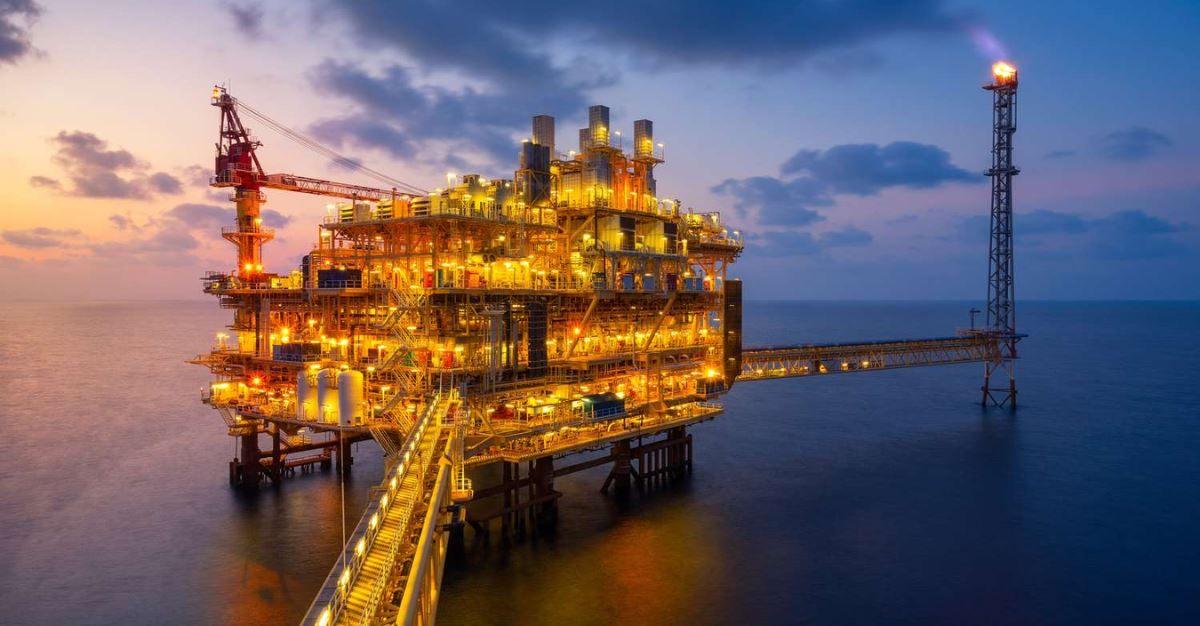
ONGC and Oil India gain as crude jumps over 8 per cent amid Middle East tensions; benchmarks fall 1 per cent.
✨ Key Takeaways
Oil and Natural Gas Corporation Ltd (ONGC) and Oil India Ltd share price advanced in early trade on March 2, 2026, even as benchmark indices slipped nearly 1 per cent amid escalating tensions in the Middle East.
The broader market remained under pressure, with the Sensex and the Nifty 50 opening sharply lower as geopolitical concerns dampened investor sentiment. Most sectoral indices traded in negative territory.
However, upstream oil producers such as ONGC and Oil India emerged as outliers, witnessing buying interest following a sharp spike in global crude oil prices.
Why ONGC and Oil India Rise When Crude Surges
ONGC and Oil India are upstream companies engaged in the exploration and production of crude oil. When international crude oil prices rise, the oil they produce is sold at higher realisations, directly boosting revenue and profit margins, assuming production costs remain stable.
In simple terms, higher crude prices mean these companies earn more per barrel of oil, improving earnings expectations and making their stocks more attractive to investors.
After an initial surge, both stocks pared gains and were trading largely flat.
ONGC was last seen at Rs 279.35, down 0.13 per cent, while Oil India was up 0.5 per cent. ONGC earlier traded around Rs 280.75 during the session.
The pullback from early highs was attributed to rising investor anxiety over the escalating conflict. While higher crude prices benefit upstream firms, a prolonged surge could widen India’s trade deficit and stoke inflation. Heightened geopolitical tensions typically trigger risk aversion and profit-booking across markets.
Crude Oil Prices Jump Over 8 per cent
International crude oil prices surged in early trade on March 2 following geopolitical tensions in the Middle East. Oil futures climbed more than 8 per cent after U.S. and Israeli attacks on Iran, along with retaliatory strikes targeting Israel and U.S. military installations around the Gulf, raised concerns over potential disruptions to global energy supplies.
The conflict, following the reported death of Iranian Supreme Leader Ali Khamenei, has intensified fears of supply chain disruptions.
West Texas Intermediate (WTI) crude was last trading at USD 72.52 per barrel, while Brent crude stood at USD 79.04 per barrel.
OPEC+ Announces Production Increase
Meanwhile, eight members of the OPEC+ group announced plans to increase crude production. In a meeting scheduled prior to the outbreak of the conflict, the Organization of the Petroleum Exporting Countries (OPEC) said it would raise output by 206,000 barrels per day in April, exceeding analysts’ expectations.
The countries boosting output include Saudi Arabia, Russia, Iraq, the United Arab Emirates, Kuwait, Kazakhstan, Algeria, and Oman.
Despite the planned supply increase, market focus remains on geopolitical developments and their potential impact on global energy markets.
Disclaimer: The article is for informational purposes only and not investment advice.