Union Budget 2024-25 Tax Modifications For Equity Market Participants
 Join Us
 Follow Us
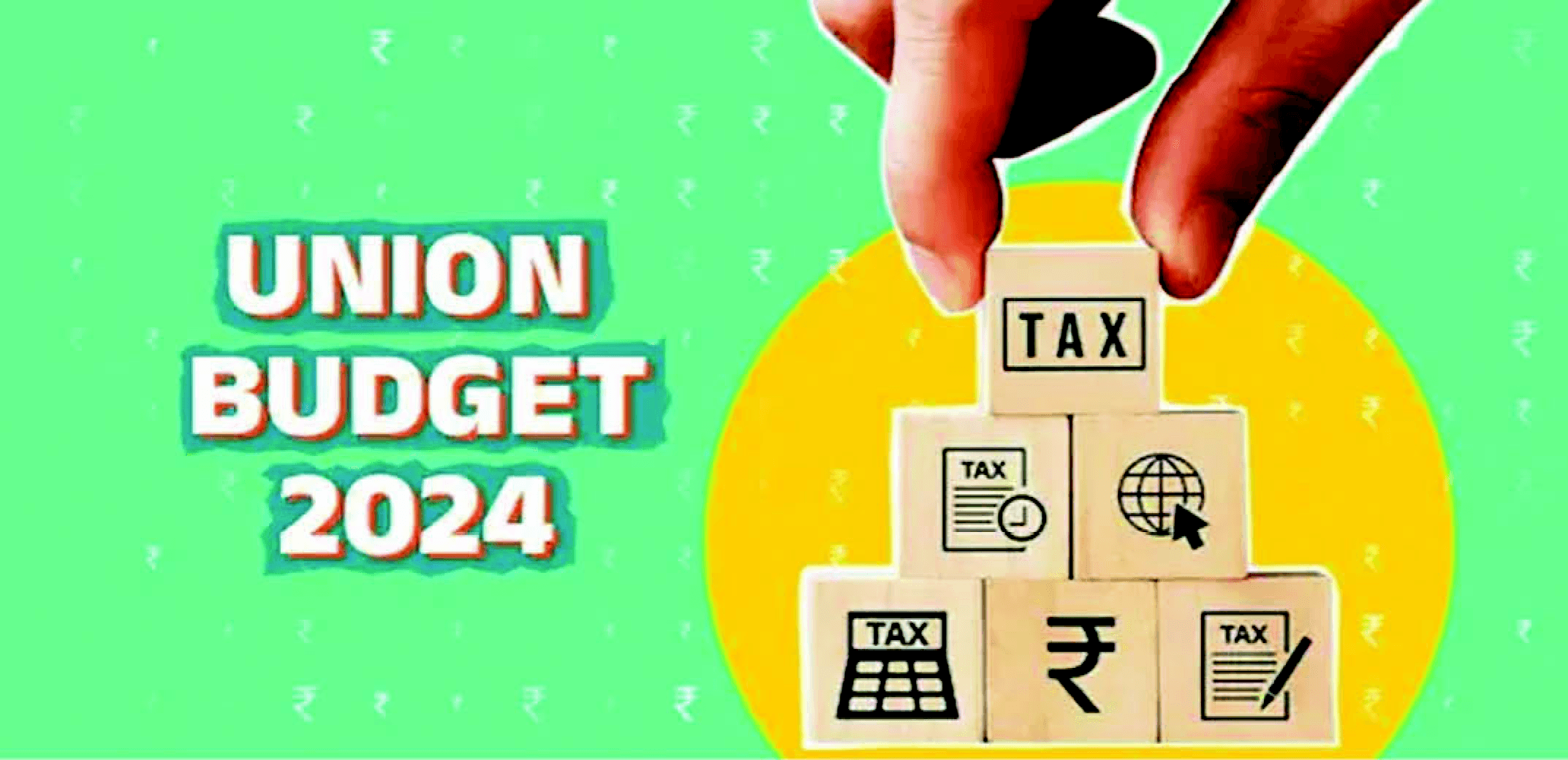
Finance Minister Nirmala Sitharaman tabled the Union Budget 2024 on Tuesday, July 23 for the 7th time.
✨ Key Takeaways
With long-term and short-term capital gains tax increased by 25 per cent and 50 per cent, respectively, a 100 per cent hike in Securities Transaction Tax (STT), tax on share buy-backs is now in the hands of recipients, while the abolishment of Angel Tax is also celebrated. Let’s explore the changes for investors post-budget.
Finance Minister Nirmala Sitharaman tabled the Union Budget 2024 on Tuesday, July 23 for the 7th time. The budget document contained Part B read along with Finance Bill, 2024 which highlighted the government's tax proposals.
The amendment in the direct taxation drew the investors' attention due to unfavourable tax reforms such as a substantial hike in capital gains on listed equities, a 100 per cent hike in STT on F&O and tax on buy-back of shares. However, the Finance Bill, 2024 did provide relief to start-up investors by abolishing the Angel tax and simplifying TDS on the repurchase of units of mutual funds.
5 major tax amendments in Finance Bill 2024 impacting equity markets Long Term and Short Term Capital Gains Tax
Long term gains on all financial and non-financial assets will attract a tax rate of 12.5 per cent. Also, the limit of exemption of capital gains on certain financial assets such as listed equity shares and equity-oriented units of mutual fund u/s112A shall increase from to ₹1.25 lakh per year.
Short-term gains on certain financial assets which include listed equity shares and equity-oriented units of mutual funds shall henceforth attract a tax rate of 20 per cent, while that on all other financial assets and all non-financial assets shall continue to attract the applicable tax rate.
Earlier listed equity shares and equity-oriented units attracted a 10% long-term capital gain tax against a new rate of 12.5 per cent (25 per cent hike). However, the exemption towards long-term capital gain on equity shares and equity-oriented units up to ₹1 lakh has been increased to ₹1.25 lakh (₹ 25 thousand increase).
In the case of short-term capital gain tax on listed equity shares and equity-oriented units, the tax is hiked from 15 per cent to 20 per cent (50 per cent increase). This amendment is applicable from July 23, 2024.

Securities Transaction Tax (STT) on Futures & Options (F&O)
To deepen the tax base the FM proposed to hike the Security Transactions Tax on futures and options of securities to 0.02 per cent and 0.1 per cent, respectively.
Before the amendment, the securities transaction tax on the sale of an option in securities was 0.0625 per cent of the option premium and on the sale of a futures in securities is 0.0125 per cent of the price at which futures are traded suggesting a 100 per cent hike in proposed STT. This amendment will take effect from October 1, 2024.
Withdraw of 20 per cent TDS on repurchase units
To simplify the TDS structure the 20 per cent TDS rate on repurchase of units by mutual funds or UTI is withdrawn.
Earlier section 194F provided that the person responsible for paying to any person any amount referred to in sub-section (2) of section 80CCB shall, at the time of payment thereof, deduct income-tax thereon at the rate of 20%. However, through Finance Bill 2024, section 194F is omitted. Therefore TDS under 194F will not be applicable. These amendments will take effect from October 1, 2024.
Abolishment of Angel Tax
To bolster the Indian start-up ecosystem, boost the entrepreneurial spirit and support innovation, angel tax for all classes of investors will be abolished, the FM announced in the budget speech.
Angel tax is levied on the capital raised via the issue of shares by unlisted companies from an Indian investor if the share price of issued shares is seen over the fair market value of the company.
The excess realisation is considered income and is taxed accordingly. However, through the Finance Bill, 2024 it stands abolished.

Buyback on Equity Shares
To further increase the tax base, the Finance Minister introduced a provision to tax income received from the buyback of shares in the hands of the recipient. At the moment, section 115QA provides an exemption to any income arising to an assessee, being a shareholder, on account of buyback of shares by the company. However, the exemption stands withdrawn through Finance Bill, 2024 by introducing a tax on income from the buy back of shares in the hands of the shareholder. These amendments will take effect from October 1, 2024.
Budget 2024 Key Highlights


Government aims to reach a deficit below 4.5 per cent next year.
The focus of budget is on EMPLOYMENT, SKILLING, MSMEs, and the MIDDLE CLASS.
Efforts to simplify taxes, improve tax payer services, provide tax certainty and reduce litigation to be continued.
Short term gains on certain financial assets to attract a tax rate of 20 per cent. Long term gains on all financial and non-financial assets to attract a tax rate of 12.5 per cent.
Exemption limit of capital gains on certain financial assets increased to `1.25 lakh per year.
Security Transactions Tax on futures and options of securities increased to 0.02 per cent and 0.1 per cent respectively.
Conclusion The Finance Bill 2024 amendments reflect the government's efforts to balance revenue generation with support for the startup ecosystem and financial market efficiency. The government through the STT hike aims to discourage speculative trading to protect retail investors along with increasing the tax base. The broader tax reform indicates the government’s objective is to benefit the retail investor through increasing long-term gains exemptions.