What If Donald Trumps?
 Join Us
 Follow Us
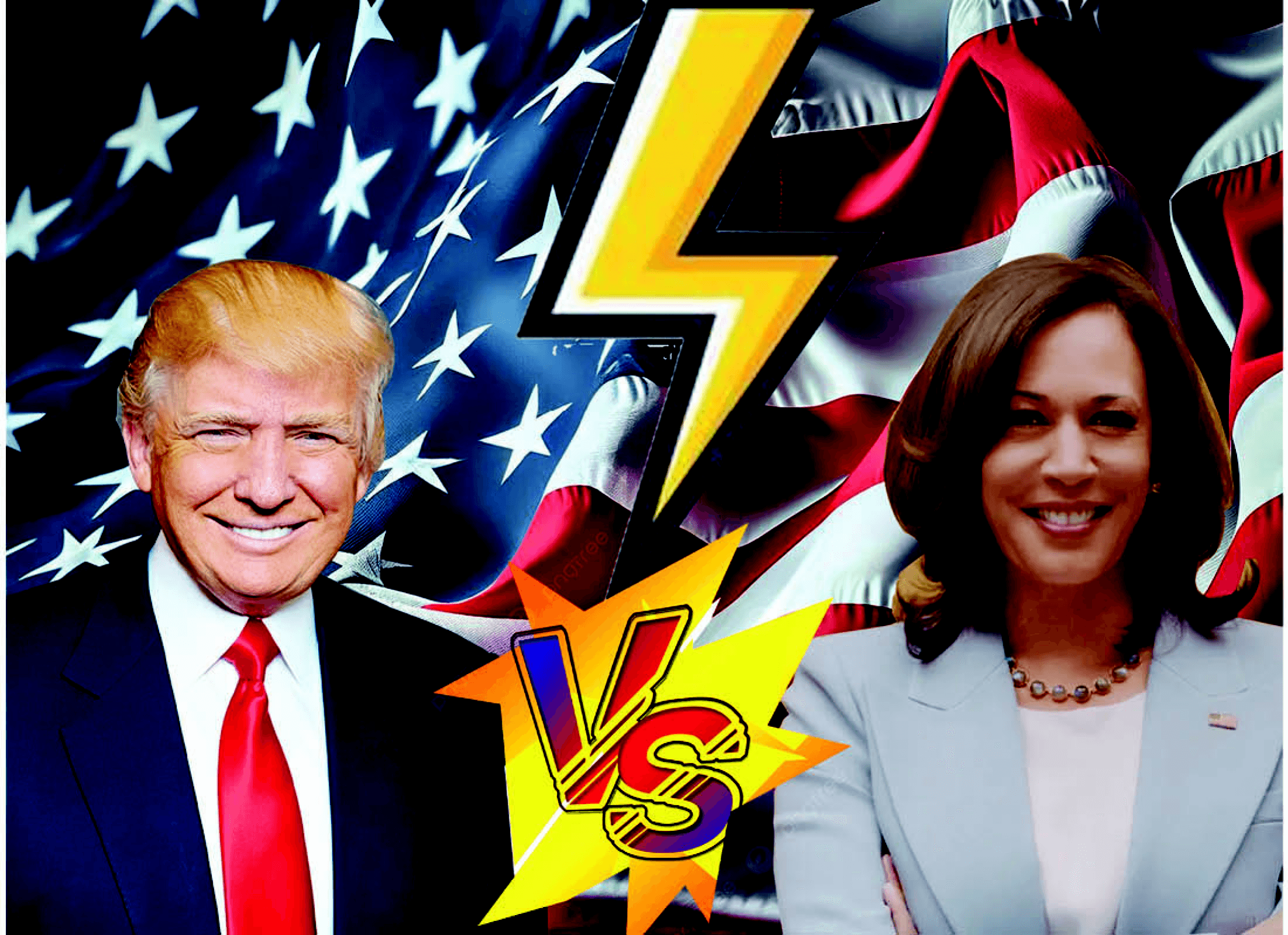
The potential election of Donald Trump as president in the U.S. carries significant implications for the Indian equity market.
✨ Key Takeaways
The potential election of Donald Trump as president in the U.S. carries significant implications for the Indian equity market. It could lead to changes in the global trade dynamics, in particular affecting the Indian IT sector while also raising inflation levels and leading to yet another revision in the visa programme for Indians who want to work in the US. The article takes a closer look at what may lie in store
Politics and economies are deeply intertwined, and when it comes to elections in the United States, the epicentre of the global economy, the stakes are even higher. The upcoming U.S. presidential election in November will significantly impact the global markets and various asset classes, including equities, commodities and currencies. This election holds particular importance given the current state of the world economy and geopolitical conditions. Over the past few years, inflation has been a dominant topic in economic discussions.
In India, inflation was a core issue during the recent election, contributing to the incumbent party’s inability to secure a majority on its own. Similarly, inflation remains a key political concern globally, and the U.S. is no exception. The current administration, led by Democrat Joe Biden, has touted the strong U.S. economy, low unemployment rates and significant progress in combating inflation. However, this narrative often fails to resonate with supporters of Donald Trump.
While the Republican Party, also known as the GOP (Grand Old Party) blames Biden for lingering inflation, Trump’s proposed policies could potentially reverse the Federal Reserve’s hard-fought gains. This is coming at a time when the Federal Reserve is widely expected to cut interest rates in September, buoyed by growing expert confidence that the end of the rate hike cycle is near. The Federal Reserve’s preferred inflation gauge has eased to 2.6 per cent, approaching its 2 per cent target, and the once-overheated labour market has cooled to the pre-pandemic levels.
This rebalancing has been accompanied by a moderation in consumer spending, as high prices and borrowing costs dampen demand and thus reduce price pressures. Economists warn that his plans, including another round of tax cuts favouring the wealthy, broad tariff hikes that could spark another trade war with China, and immigration restrictions blocked by Republicans earlier this year, could disrupt global trade and drive inflation back up.
Impact on India
The last time around, during the 2016 U.S. elections when Trump won, the immediate reaction to his victory was a dip in the Indian markets, with the Sensex falling by around 1.75 per cent the day after the election. Nonetheless, this kneejerk reaction was primarily due to the unexpected election outcome and on account of uncertainties about Trump’s trade and foreign policies. However, the markets stabilised and showed recovery in the following month. In the following paragraphs we will try to understand how it is going to impact the Indian economy and the different markets.
Currency Dynamics and Emerging Markets
If a Republican candidate (Donald Trump) wins the U.S. General Election, one of the expected economic shifts is the potential weakening of the U.S. dollar (USD). Since the Trump–Biden debate, the USD index (DXY) has started falling in anticipation of Trump getting re-elected. The following graph clearly indicates this movement. There are still more than 100 days to the U.S.’ election but as we get closer to this major event and in the likelihood of Trump maintaining his pole position, there may be a further weakening of the USD

Earlier, during the Trump administration from 2017 to 2021, we observed a weakening of the USD from 100 to 90 levels.A weaker USD generally benefits risk-on assets, including equities in emerging markets like India. They impact in various ways:
1) Increased Foreign Institutional Investment (FII) — A weaker USD makes investments in emerging markets more attractive due to higher potential returns in local currencies. This can lead to increased FII inflows into the Indian equity market. Enhanced liquidity and investment can drive up stock prices and market indices. The following graph shows the year-wise FIIs net inflows into the Indian equity market in different securities. It is clearly observed that except for the year 2018, there were positive inflows every year.
2) Imports and Exports — There is another way in which the weakening of the USD will help Indian importers. A stronger rupee relative to the USD will make imports cheaper. Since we are net importers, it will help the overall economy. However, it might impact exporters.

3) Corporate Tax Rate Cut — Republican candidate Trump has announced plans to further reduce the corporate tax rate to 15 per cent if he is elected again. This proposal follows his previous reduction of the corporate tax during his first term. A reduction in corporate tax in the U.S. can have a mixed impact on the Indian stock market and companies, depending on various factors. On the positive side, increased investment could result from U.S.’ companies having more resources post-tax.
This could lead to expanded operations and job creation in their Indian subsidiaries and more foreign direct investment flowing into India, thereby boosting the Indian economy. Improved profitability for U.S. companies due to lower taxes could make them more attractive to investors, potentially raising the share prices of U.S. companies with Indian operations, benefiting the Indian investors. It could also lead to increased interest from Indian companies in merging with or acquiring U.S. companies. However, there are potential negative impacts as well.
U.S. companies with Indian origin might retain more earnings domestically due to higher profitability, leading to lower remittances of profits back to Indian parent companies and reduced foreign exchange inflows into India, which could weaken the Indian rupee. Additionally, a more attractive U.S. investment environment might divert capital away from India, slowing the growth of Indian companies competing for investment and lowering the overall liquidity in the Indian stock market. The overall impact of a U.S. corporate tax cut on the Indian market depends on several factors, including the size of the tax cut, the health of the Indian economy and the specific sectors affected.

4) Sectoral Impact — Republican administrations typically favour deregulation and business-friendly policies. However, specific policy decisions can have nuanced effects on different sectors of the Indian economy, particularly IT. In terms of the demand for IT services, the U.S. is a major market for Indian IT services. Policies that favour business expansion and economic growth in the U.S. can increase the demand for IT services as companies invest in technology to drive efficiency and innovation.
There is also the factor of immigration and visa policies. Republicans have historically supported tighter immigration controls, which can impact the H-1B visa programme. Many Indian IT professionals rely on H-1B visas to work in the U.S. Stricter visa regulations could hinder the ability of Indian IT firms to deploy their workforce in the U.S., potentially affecting their operations, revenues and profitability.
5) Tariffs and Tax Hikes on Chinese Products — Last time when Trump was residing at White House, while fulfilling his promise to reduce a longstanding trade deficit with China, curb the theft of U.S. intellectual property and reclaim manufacturing jobs, he announced new tariffs on a wide range of Chinese imports in January 2018. This time also he has announced plans to increase the tax collected from all Chinese imports by 60 per cent.
This significant rise in tariffs has various potential implications for global trade dynamics, particularly for India. With higher tariffs on Chinese goods, India could benefit from increased demand for its products in the U.S. market. Sectors such as pharmaceuticals, textiles and certain electronic items may find new opportunities as U.S. companies seek alternatives to Chinese suppliers.
This shift could provide a substantial boost to Indian exporters, enabling them to expand their market share in the U.S. However, there is also a risk that Chinese manufacturers, facing higher tariff in the U.S., may dump their excess products elsewhere or even in the Indian market at lower prices. This could harm local industries by increasing competition for the Indian manufacturers. Such a scenario could undermine the benefits of increased export opportunities and pose challenges for the domestic market.
6) Inflation — During Trump’s first term, his economic policies had a notable impact on inflation. High tariffs on Chinese imports, varying by product but often substantial, raised the cost of goods, which contributed to inflationary pressures. Corporate tax cuts, intended to stimulate economic growth, acted as inflationary fiscal stimulus by increasing consumer spending and driving up prices. If re-elected, Trump’s proposed policies could escalate tariffs on Chinese imports to as high as 60 per cent.
Combined with potential further tax cuts and stricter immigration measures, these actions are projected to drive inflation higher. Such a scenario could potentially destabilise both the U.S. and global economies. For India, higher U.S. inflation could make Indian exports cheaper but raise import costs, affecting the trade balance. Increased U.S. interest rates could lead to capital outflows from India, weaken the rupee and drive up import costs. Higher commodity prices, particularly oil, could further raise input costs, prompting the Reserve Bank of India to increase the interest rates to manage inflation and protect growth.
7) Market Sentiment and Volatility — Market sentiment plays a crucial role in the equity markets. A Republican win could usher in a mix of optimism and caution. Pro-business policies might boost investor confidence, leading to bullish market trends. Initial periods of policy transition could bring volatility as markets adjust to new policies and economic forecasts.
Conclusion
The potential election of Donald Trump as president in the U.S. carries significant implications for the global economy. Trump has stated that he will resolve every international crisis created by the current administration, including the ongoing war between Russia and Ukraine, which would positively impact the global economy. India stands to benefit from lower crude oil prices. Additionally, multiple factors such as currency dynamics and sector-specific impacts will influence market performance. While a weaker USD and increased Foreign Institutional Investor (FII) inflows are positive indicators, policies affecting the IT sector, trade dynamics, and inflation numbers require close monitoring.