Why Are Gold and Silver Prices Falling Sharply, and Will the Downtrend Continue?
 Join Us
 Follow Us
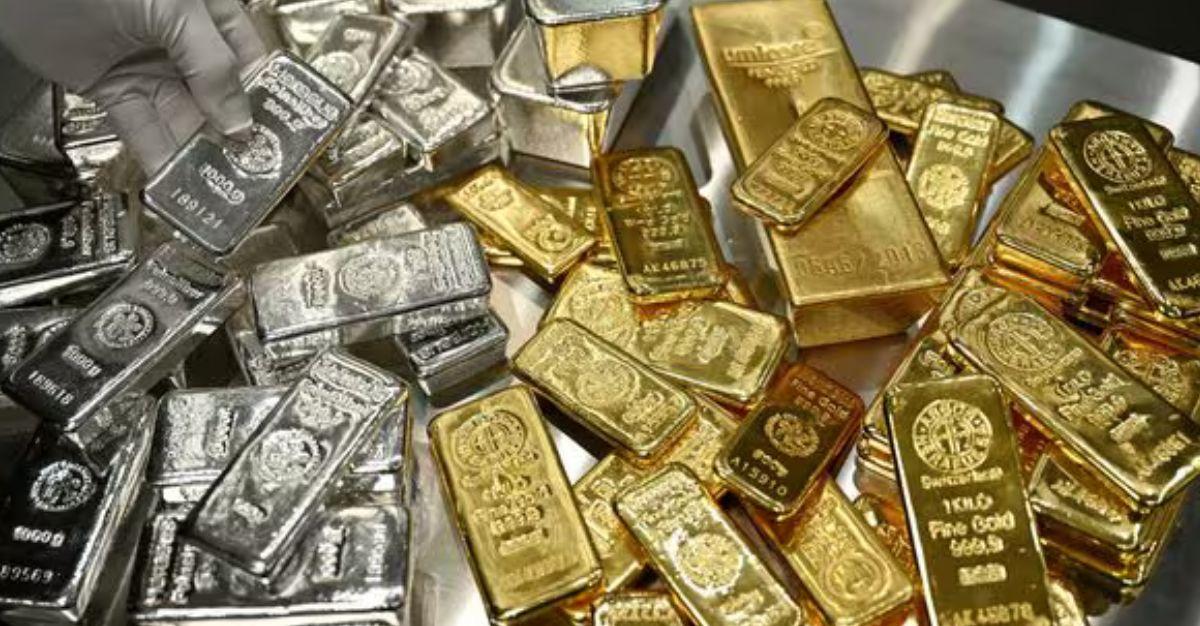
Since the Iran conflict began on February 28, spot gold has already declined by around 11.40 per cent, reflecting sustained pressure from macroeconomic factors rather than supply shortages.
✨ Key Takeaways
Gold and silver prices witnessed a sharp correction in global markets, with gold declining by 1.72 per cent and silver plunging 2.70 per cent during the latest trading session. The fall comes after both metals had recently touched elevated levels, triggering profit booking amid shifting macroeconomic signals. Spot gold dropped to USD 4,476 per ounce. Silver saw a steeper decline, with spot prices falling to USD 73.01.
Stronger Dollar and Rising Oil Prices Drive Sell-Off
The primary trigger behind the decline has been the strengthening of the U.S. dollar. Since gold and silver are priced in dollars, a stronger greenback makes them more expensive for global buyers, reducing demand and pushing prices lower. At the same time, oil prices moved higher following geopolitical tensions linked to ongoing U.S. military actions in Iran.
Higher oil prices increase inflationary pressures across economies. This has led to rising expectations that central Banks, particularly the U.S. Federal Reserve, may keep interest rates higher for longer instead of cutting them soon.
Higher Interest Rates Reduce Appeal of Precious Metals
Gold and silver are non-yielding assets, meaning they do not offer interest income. When interest rates remain elevated, investors tend to shift towards yield-generating assets such as bonds and fixed-income instruments. This reduces the attractiveness of precious metals and leads to capital outflows.
Since the Iran conflict began on February 28, spot gold has already declined by around 11.40 per cent, reflecting sustained pressure from macroeconomic factors rather than supply shortages.
Why Silver Fell More Than Gold
Silver’s sharper fall of 2.7 per cent compared to gold’s 1.72 per cent decline is due to its dual nature as both a precious and industrial metal. While gold is primarily a safe-haven asset, silver is heavily influenced by industrial demand.
Concerns about global growth and economic uncertainty weaken industrial demand expectations, adding further pressure on silver prices. At the same time, investors reduced exposure across commodities amid uncertainty, leading to broad-based selling.
Central Bank Activity Adds to Pressure
Another significant factor impacting gold prices was central bank activity, particularly from Turkey. The country’s gold reserves fell sharply by 69.1 metric tons in one week to 702.5 tons. Over two weeks, reserves declined by more than 118 tons.
Such large-scale selling increases supply in the market and negatively impacts sentiment. It also signals that central banks may be managing liquidity or responding to economic pressures, further triggering selling in global markets.
Demand Trends in Asia Provide Some Support
Despite the global sell-off, physical demand in Asia has shown signs of recovery at lower price levels. In India, dealers charged premiums for gold for the first time in two months as buyers returned to the market. In China, premiums declined slightly as buyers remained cautious and waited for further price corrections.
This indicates that while demand exists, it is price-sensitive. Asian demand often acts as a stabilizing factor during sharp declines and could limit the downside if buying continues.
Can Gold Fall Below USD 4,400 and Silver Below USD 65?
The outlook for gold and silver largely depends on three key factors: interest rates, the U.S. dollar, and geopolitical developments. If oil prices remain elevated, inflation could stay high, delaying rate cuts and maintaining pressure on precious metals.
A continued rise in the dollar would further weaken prices. Under such conditions, a break below USD 4,400 for gold and USD 65 for silver remains a possibility in the near term. However, strong physical demand from Asia may act as a cushion against a deeper fall.
Impact of India’s Import Curbs
Adding to the broader market dynamics, the Indian government has imposed import curbs on all articles of gold, silver, and platinum. The restrictions apply immediately, regardless of prior contracts or shipment status.
The move aims to curb misuse of free trade agreements, particularly with ASEAN countries, where some traders were allegedly exploiting duty differences. Earlier restrictions had already been placed on gold, silver, and platinum jewellery imports.
While the policy may impact supply chains and trade flows, its direct effect on global prices is limited. However, it could influence domestic premiums and availability in the Indian market.
Conclusion
The sharp fall in gold and silver prices is primarily driven by macroeconomic factors, including a stronger dollar, rising oil prices, and expectations of prolonged higher interest rates. Central bank activity and geopolitical uncertainty have added to the volatility.
While further downside below USD 4,400 for gold and USD 65 for silver remains possible, strong physical demand from Asia and evolving macro signals could provide support. Investors are advised to stay cautious, track economic indicators closely, and maintain a diversified and dynamic allocation strategy.
Disclaimer: The article is for informational purposes only and not investment advice.